
-
Kenya has confirmed its first imported Ebola case after a citizen who had lived in the Democratic Republic of Congo (DRC) for seven years died in Nairobi, marking a fresh escalation of an outbreak that has already killed more than 4,000 people in the DRC.
-
Kenyan health authorities have identified 28 people who had direct contact with the patient and are tracing another 23 passengers and four crew members who travelled on the same flight from Kampala to Nairobi.
-
The patient travelled overland from the DRC to Kampala, Uganda, before boarding a flight to Nairobi, where he passed through routine health screening before later developing severe symptoms.
-
The Kenyan case comes as the DRC battles its largest Ebola outbreak on record, with more than 8,400 confirmed cases and over 4,000 confirmed deaths by early October.
October 06, (THEWILL) – Kenya has confirmed its first imported case of Ebola after a Kenyan citizen who had been living in the Democratic Republic of Congo died in Nairobi, prompting an urgent contact-tracing operation and heightened surveillance at the country’s borders.
Kenya’s Health Cabinet Secretary, Aden Duale, announced the development on Tuesday, confirming that the patient had arrived in Kenya on Saturday after travelling from the DRC through Uganda.
The man, who had lived in the DRC for about seven years, had reportedly been ill for approximately one month and had received treatment at several hospitals before travelling by road to Kampala, from where he boarded a flight to Nairobi.

He arrived in Nairobi on October 3 and passed through routine public health screening at Jomo Kenyatta International Airport.
According to Kenyan health officials, medication he had taken may have masked his symptoms during the screening process. He was subsequently taken by a relative and a friend to Nairobi Hospital after his condition deteriorated. Health workers quickly isolated him and carried out tests, which confirmed infection with the Bundibugyo virus, a strain of Ebola.
The patient died on Monday night while receiving treatment.
Kenyan authorities have since intensified measures to prevent further transmission, particularly because of the patient’s movements before he was isolated.
The Ministry of Health said 28 people who had contact with the patient, including relatives and healthcare workers, had been identified. Officials are also tracing 23 passengers and four crew members who travelled on the same flight from Kampala to Nairobi.
The identified contacts are expected to remain under observation for 21 days, with health authorities monitoring them for symptoms and testing where necessary.
The deceased was also scheduled for burial under special public-health protocols designed to minimise the risk of transmission from the body.
READ ALSO:
Outbreak Spreads Beyond DRC
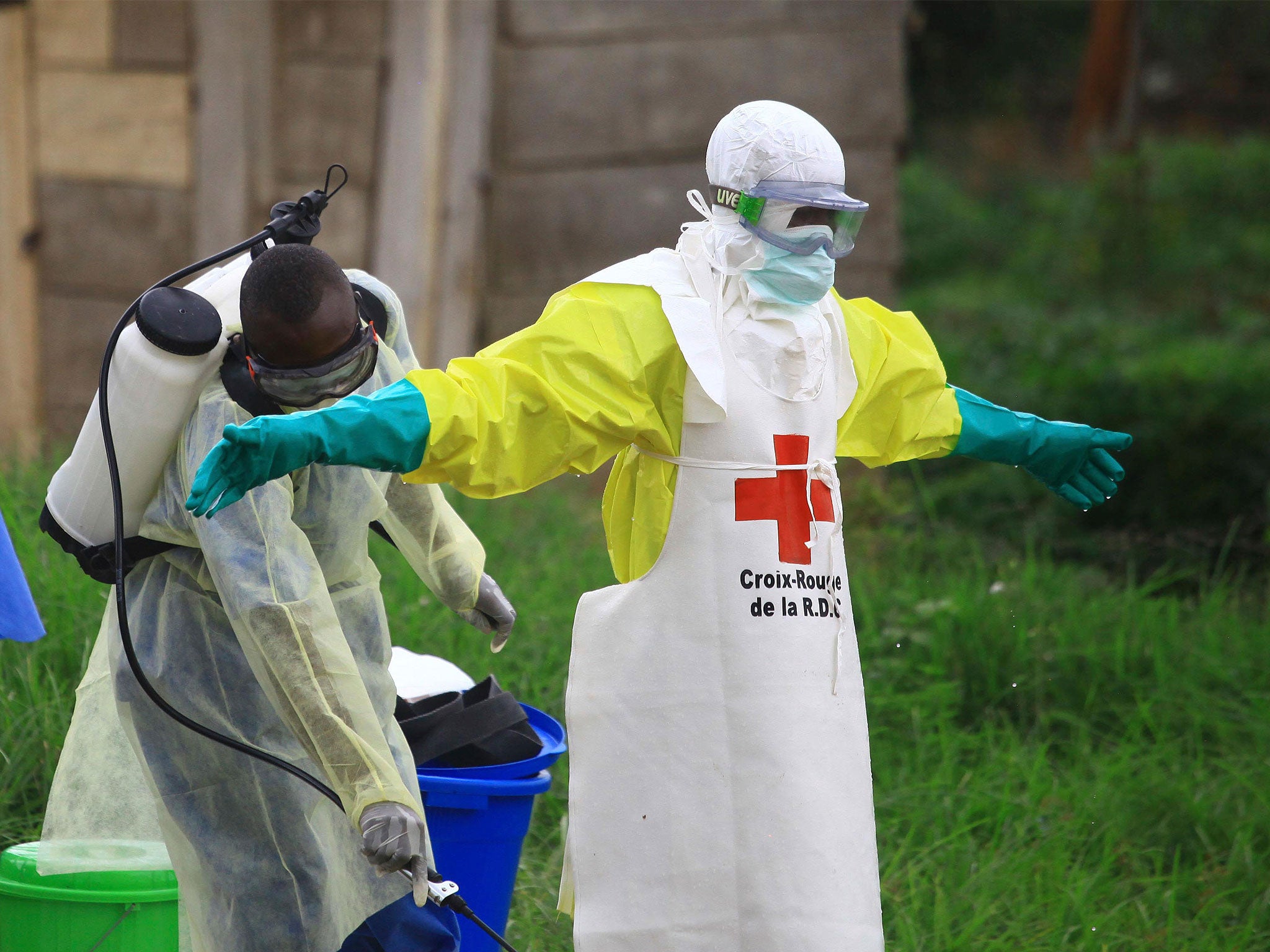 The scale of the outbreak in the DRC has continued to grow despite containment efforts.
WHO data from September showed thousands of confirmed infections and deaths, while more recent CDC figures put confirmed deaths above 4,000. The outbreak has therefore become the second-deadliest Ebola outbreak on record, behind the devastating 2014–2016 West Africa epidemic, which killed more than 11,000 people.
It is also the largest Ebola outbreak ever recorded in the DRC, surpassing the country’s previous major epidemic of 2018–2020. WHO said in August that the number of confirmed cases had already exceeded that earlier outbreak.
The World Health Organisation (WHO) reported in September that the Bundibugyo virus outbreak had expanded into 63 health zones across seven provinces of the DRC, including areas bordering South Sudan. The agency warned that the continued geographical expansion was increasing the risk of cross-border transmission.
By October 2, the United States Centers for Disease Control and Prevention (CDC) recorded 8,442 confirmed Ebola cases and 4,080 confirmed deaths in the DRC. The same data showed 20 confirmed cases and two deaths in Uganda, while France had recorded one confirmed case.
The outbreak is caused by the Bundibugyo virus, a relatively rare Ebola species. Unlike the Zaire Ebola virus responsible for previous major outbreaks, there is currently no licensed vaccine or specific approved treatment for Bundibugyo virus disease, making early detection, isolation, supportive care, contact tracing and infection-control measures particularly important.
The WHO declared the outbreak a Public Health Emergency of International Concern (PHEIC) in May after the virus was detected in the DRC and Uganda, citing the risk of cross-border transmission and the challenges posed by highly mobile populations.
Health authorities have faced significant challenges in controlling the disease, including delayed detection, difficult access to affected communities, population movement and the difficulty of tracing contacts.
Kenya Steps Up Surveillance
The Kenyan government said it had maintained a high level of alert since the DRC outbreak began and had strengthened surveillance at points of entry.
The first confirmed case nevertheless demonstrates the difficulty of preventing infected travellers from crossing international borders, particularly when symptoms are not immediately apparent or are suppressed by medication.
Kenya’s Health Ministry said it had tested hundreds of samples since May before the latest case was confirmed.
The government is now focused on identifying everyone who may have been exposed to the patient before his isolation and ensuring that any emerging cases are detected quickly.
Ebola is transmitted primarily through direct contact with the blood or other bodily fluids of an infected person or someone who has died from the disease. Symptoms can include fever, vomiting, diarrhoea and, in severe cases, bleeding.
Kenyan authorities are therefore treating the death as a major public-health warning, even as they work to determine whether the patient infected anyone else before he was isolated.
Felix Ifijeh is a journalist with years of professional reporting experience. Known for his keen news sense, compelling storytelling and commitment to accurate, impactful reporting, he has built a reputation for turning leads into clear, engaging, and well-structured reports that resonate with readers. His work reflects deep newsroom experience and a commitment to accurate, impactful journalism.
