
-
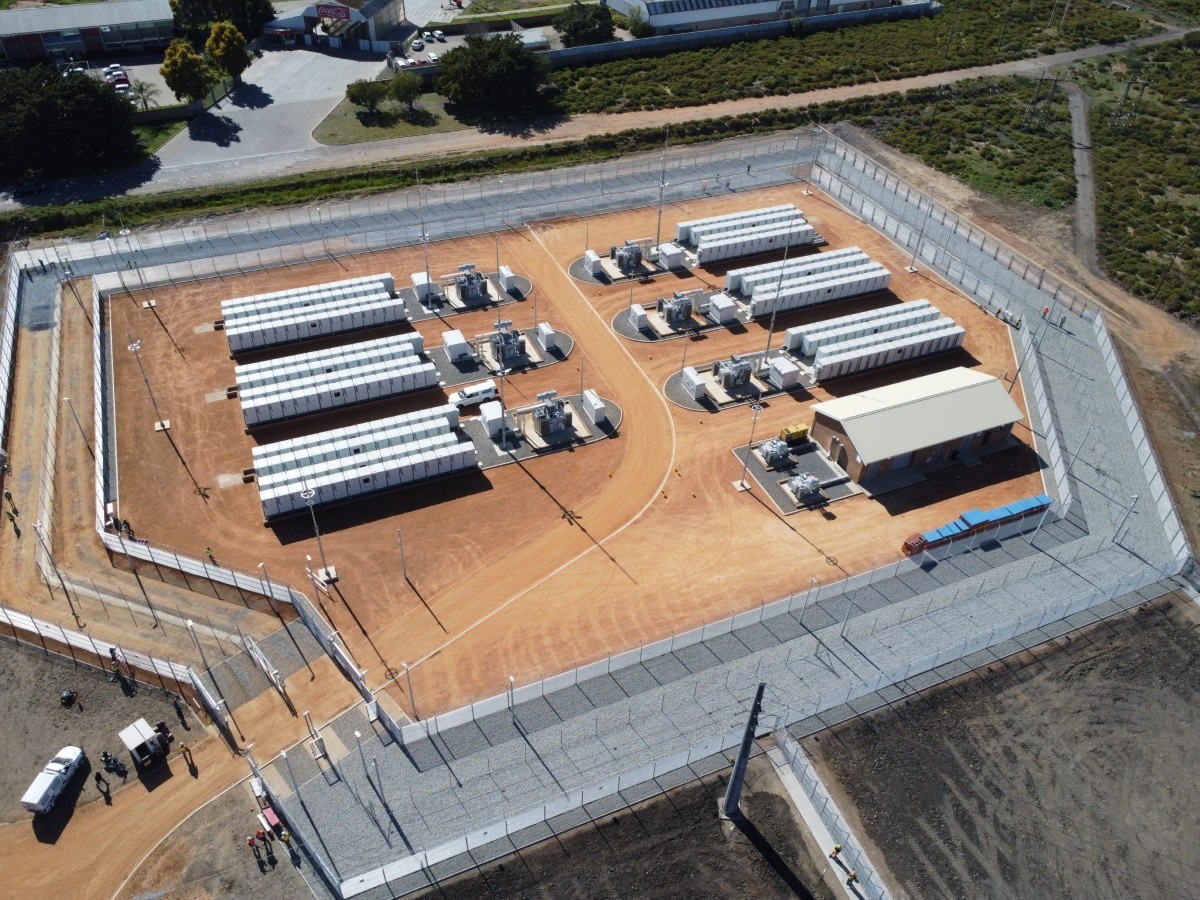
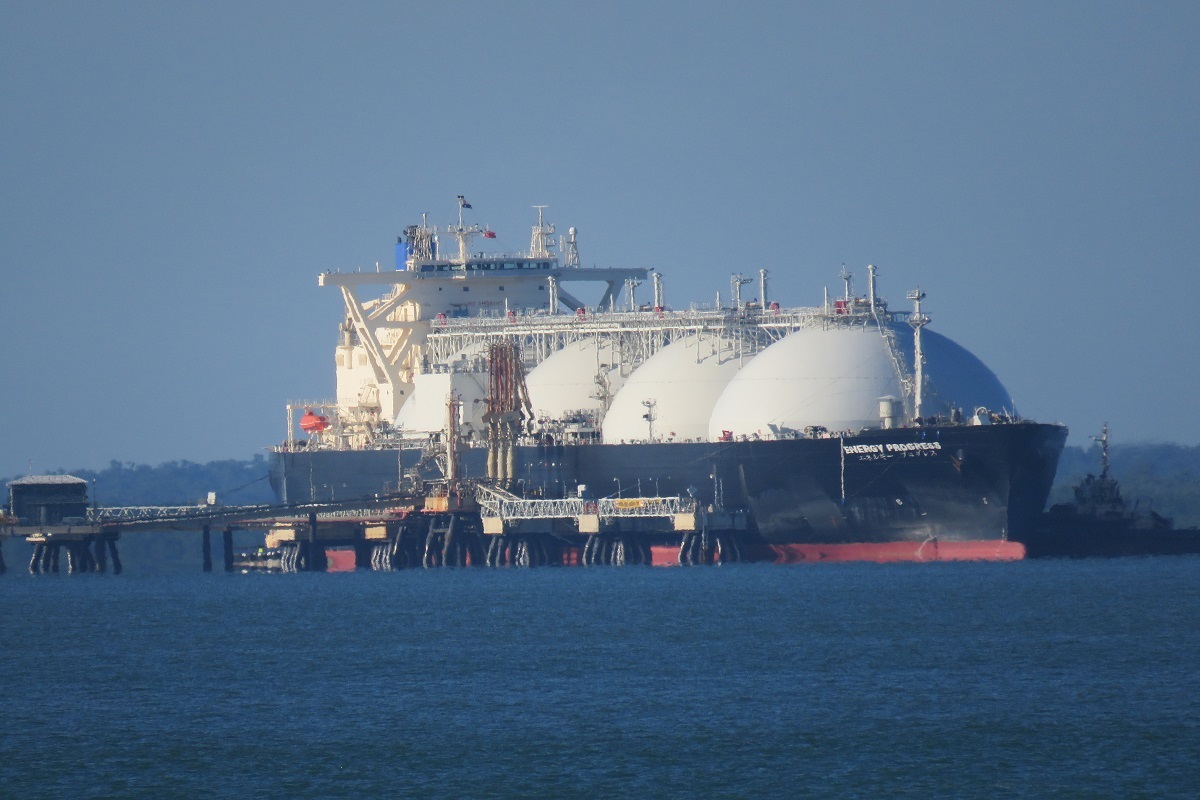
Government prioritises 4.6GW of battery storage and 5GW of gas power.
-
New wind and solar allocations will follow in a later round.
-
Grid constraints are preventing some renewable electricity from reaching users.
-
Procurement plans do not mean the capacity is ready to supply power.
October 7, (THEWILL) – South Africa will prioritise 9.6 gigawatts of battery storage and gas-fired power, putting the ability to deliver electricity when needed ahead of another round of wind and solar procurement.
Electricity and Energy Minister, Kgosientsho Ramokgopa, announced the approach on Wednesday, October 7. The initial allocation comprises 4.6GW of battery storage and 5GW of gas-to-power, with further wind and solar allocations to follow.
Behind that sequence is a practical problem. Building more generating plants does not guarantee that their electricity can reach customers. Some renewable projects are concentrated in areas where the network has little room to carry additional power.

Finding Room For Power Already Available
Speaking at the Windaba conference in Cape Town, Ramokgopa said electricity project development was exceeding grid capacity. He pointed particularly to renewable developments in South Africa’s south and west, where spare network capacity was limited.
Consequently, generators can be required to reduce their output even when they could produce more electricity. This is known as curtailment. Batteries can help by storing electricity for later use, although their contribution depends on where they are installed and how they operate.
Ramokgopa also encouraged developers to consider locations with available grid capacity, citing Seriti Green’s wind development in Mpumalanga. That would spread investment beyond areas where renewable resources have attracted projects faster than the network can accommodate them.
READ ALSO:
Gas Supply And Project Costs Still Count
Gas plants would serve a different function, supplying electricity when renewable output falls, or demand rises. Their usefulness will depend partly on fuel availability and cost, alongside connections to ports, pipelines and the grid.
According to the department’s announcement, procurement assessments will consider those requirements together with construction schedules and the plants’ ability to adjust output. Transmission expansion remains necessary alongside storage.
Ahead of Wednesday’s announcement, the Department of Electricity and Energy outlined a procurement programme covering the 2026–2037 planning period.
Its advisory also proposed a state-led Power Parks programme intended to lower entry barriers for emerging developers and coordinate projects with supporting infrastructure. Those were stated objectives, rather than evidence that sites or contracts had already been awarded.
For businesses planning around more dependable electricity, the announcement identifies what the government intends to procure. It does not establish when the full 9.6GW will become available or what customers will pay for its services.

Joy Onuorah is a business journalist and brand communications specialist covering financial markets, artificial intelligence, digital economy, and the ideas reshaping business across Africa and the global market. Beyond her reporting for TheWill, Joy uses brand strategy, storytelling, copywriting, and high-value SEO to help brands build lasting market authority.