
-
NGX lost ₦1.88 trillion in one trading session as 62 stocks declined.
-
Banking stocks bore much of Tuesday’s sell-off, with the sector index falling 5.29%.
-
Dangote Refinery plans to raise ₦2.15 trillion through 4.1 billion shares priced at ₦525 each.
-
Advisers are targeting up to 10 million retail investors for the offer.
September 09, (THEWILL) — Dangote Refinery has not sold a single share to the public, but Nigeria’s stock market is already feeling its weight.
Investors have started selling existing shares to make room for Africa’s biggest IPO, raising an important question for Nigeria’s capital market about how much money the Dangote deal can pull out of everything else.
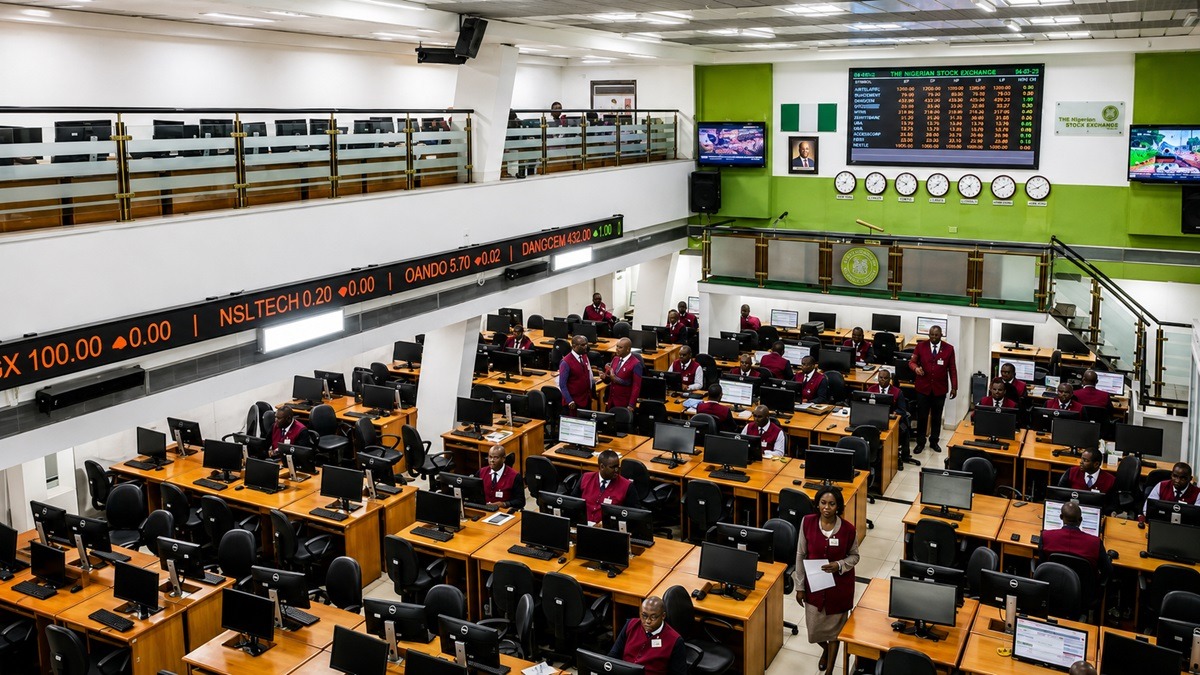
On Tuesday, Nigerian equities lost ₦1.88 trillion in market value as the NGX All-Share Index fell 1.17%, just a day after the market crossed the ₦160 trillion mark. Only four stocks gained while 62 declined, turning what had been a broad recovery into a remarkably one-sided sell-off.

Trading activity also picked up sharply, with volume jumping 84.67% to 753.17 million shares while more than 54,000 deals were recorded.
Globalview Capital’s Aruna Kebira offered one explanation for the heavy selling, saying transactions at his firm were running at roughly 15 sales for every purchase as investors raised cash ahead of the Dangote Refinery IPO. His comments point to a market where some investors are already adjusting their portfolios before the offer opens.
Tuesday’s sell-off, therefore, looks like more than a simple case of investors taking profits after a strong run.
Nigeria may be feeling the effects of the IPO before the IPO itself has even started.
The Money Has To Come From Somewhere
Dangote Refinery is asking investors to commit up to ₦2.15 trillion to the offer. The company plans to sell 4.1 billion shares at ₦525 each, with the offer opening on September 14. The minimum subscription is 10 shares, or ₦5,250, while advisers are targeting as many as 10 million retail investors.
Such a structure could bring millions of Nigerians into the deal, but retail investors do not have an unlimited pool of money, and neither do institutional investors.
Every naira committed to the Dangote IPO comes with an opportunity cost because money invested in the offer cannot be deployed into another stock, a money-market instrument, a Treasury bill or another investment at the same time.
Tuesday’s sell-off suggests some investors are already making those choices.
Banks took some of the heaviest punishment. The Banking Index dropped 5.29%, with Access Holdings falling 7.06%, UBA losing 5%, Zenith Bank declining 3.94%, and GTCO shedding 1.52%. First HoldCo plunged 9.30%.
It would be too early to say every sale was caused by the IPO because markets rarely move for one reason. Profit-taking, portfolio rebalancing and changing expectations can all contribute to a sharp session like Tuesday’s.
Still, the timing is difficult to ignore.
Dangote Is Becoming A Liquidity Event
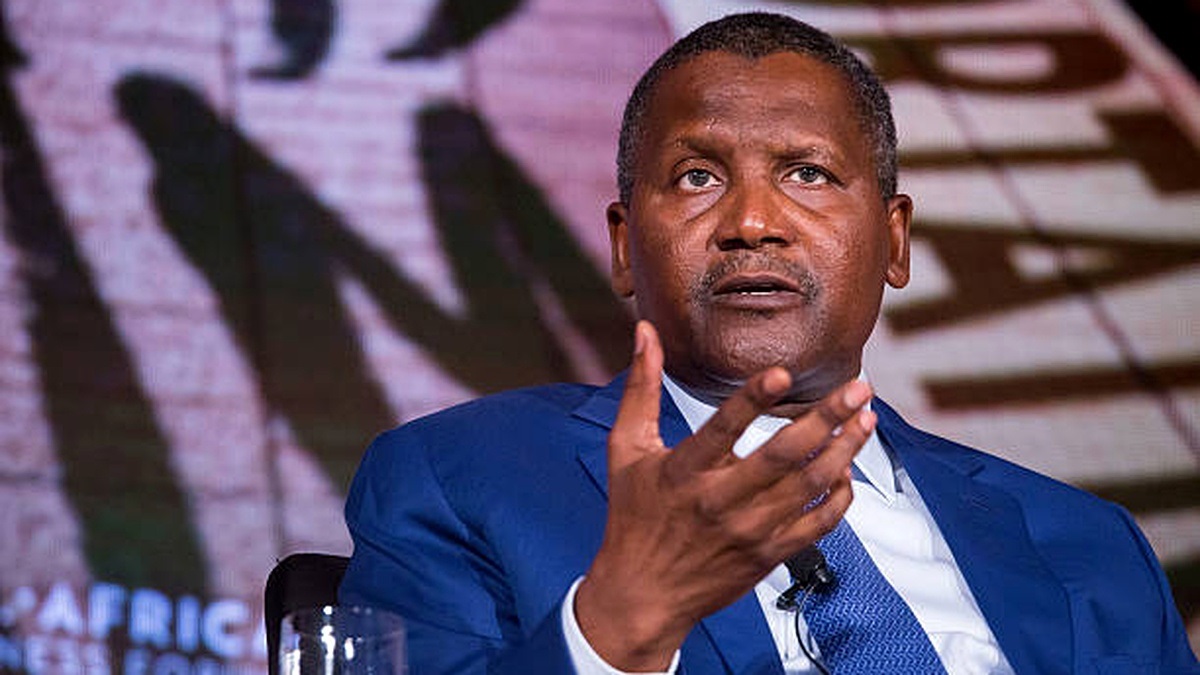
Most IPO stories focus on valuation, expected returns and the strength of the company coming to market. Dangote’s offering also raises a question about what happens to other assets when investors have to find ₦2.15 trillion.
Nigeria’s equities market has already shown how quickly money can move. On Monday, market capitalisation climbed back above ₦160 trillion. By Tuesday, ₦1.88 trillion had been wiped from that value.
The Dangote offer is large enough to force portfolio decisions even before the refinery becomes a listed security. Fund managers may trim positions they still like because they want liquidity, while retail investors may sell profitable holdings to finance their subscriptions. Traders may also reduce exposure if they expect greater volatility around the offer.
None of those decisions requires an investor to believe Dangote Refinery is a bad business. An investor can want Dangote shares and still sell a telecom stake, or believe strongly in the refinery while exiting a bank to free up cash.
That is what makes this IPO unusual. It is competing not only for fresh savings but also for money that is already invested elsewhere in the market.
READ ALSO:
The Refinery Is Arriving At A Powerful Moment
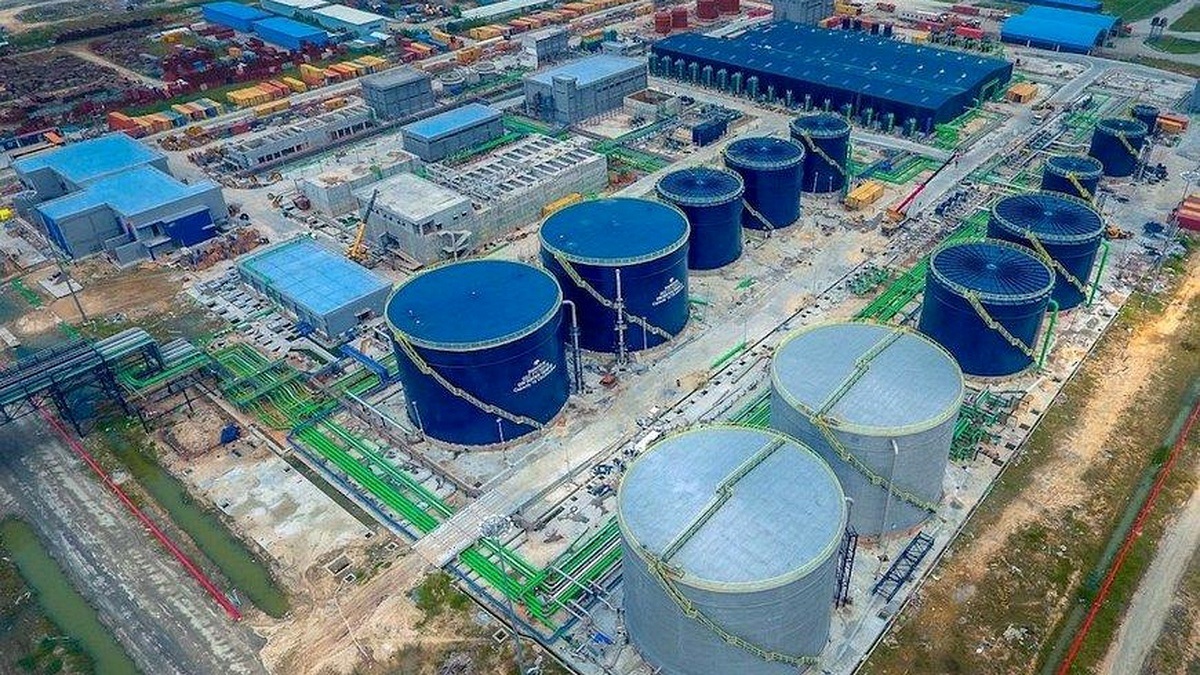
Dangote is not entering the market as an untested business looking for capital to build its first factory. The refinery is already operating at enormous scale, having reached 650,000 barrels per day and tested production at 700,000 barrels per day.
In the first half of 2026, the business reported a $1.82 billion profit, compared with a $476 million loss a year earlier. Management also wants to increase capacity to 1.4 million barrels per day by 2029 through a planned $14.3 billion expansion.
Those numbers help explain the enthusiasm around the offer and why investors may be willing to rearrange their portfolios to make room for it.
The investment case still carries risks, however. Dangote imports roughly 30% to 40% of its crude feedstock, leaving the business exposed to the cost and availability of crude. Analysts have warned that changes in feedstock supply and pricing could affect margins and ultimately influence the refinery’s valuation.
Investors are therefore buying into more than the reputation of one of Nigeria’s best-known companies. They are also taking a position on the next stage of a giant industrial project, including its ability to secure crude, expand production and sustain profitability at much larger volumes.
The Bigger Test Is What Happens After October
The IPO opens on September 14 and closes in October, with trading expected to begin in November.
Until then, Tuesday’s sell-off could prove to be an early indication of one of the market’s biggest challenges. Dangote Refinery could attract enormous demand and become one of the most widely owned companies on the NGX, but if investors sell large amounts of existing equities to fund their subscriptions, other parts of the market could come under pressure even as the exchange itself becomes larger.
Nigeria could, therefore, end up with a much bigger stock market while some existing stocks become cheaper as investors make room for the new giant.
If Dangote shares perform well after listing, some of that capital could eventually return to other equities. If the shares disappoint, investors who sold existing assets to chase the IPO will have made two bets at once, one on Dangote Refinery and another on what they gave up to own it.
Tuesday’s ₦1.88 trillion loss is less interesting as a measure of how badly Nigerian stocks performed than as an indication of how much attention, liquidity and capital Dangote Refinery is already commanding before its shares even reach the market.

Joy Onuorah is a business journalist and brand communications specialist covering financial markets, artificial intelligence, digital economy, and the ideas reshaping business across Africa and the global market. Beyond her reporting for TheWill, Joy uses brand strategy, storytelling, copywriting, and high-value SEO to help brands build lasting market authority.
