
-
Flávio Bolsonaro, son of imprisoned former President Jair Bolsonaro, finished ahead of incumbent Luiz Inácio Lula da Silva in Brazil’s presidential first round, securing 47.31 percent of valid votes against the leftist leader’s 44.83 percent, with 98 percent of ballots counted.
-
The result sets up a decisive October 25 runoff, leaving Lula facing the prospect of losing power as conservative candidates and their allies made significant gains in simultaneous congressional and state elections.
-
The election has been shaped by public anger over violent crime, economic concerns, taxation and government spending, as well as the growing influence of evangelical Christians and the deepening political polarisation between the left and right.
-
Flávio’s strong performance comes amid the political fallout from his father’s imprisonment and the wider dispute involving the United States, with President Donald Trump maintaining ties to the Bolsonaro family while Lula’s allies accuse Washington of interfering in Brazil’s electoral process.
October 05, (THEWILL) – Brazil’s presidential election has entered a dramatic runoff after Flávio Bolsonaro, the eldest son of imprisoned former President, Jair Bolsonaro, unexpectedly finished ahead of incumbent Luiz Inácio Lula da Silva in Sunday’s first round, putting the country’s right-wing opposition within striking distance of the presidency.
With 98 percent of the votes counted, Flávio had secured 47.31 percent of valid ballots against Lula’s 44.83 percent, falling short of the 50 percent required for an outright victory.
The two will now face each other in the October 25 runoff in what has become one of Brazil’s most consequential elections in years.

The first-round result represented a significant setback for Lula, who had been leading in most major opinion polls before voting day. A Datafolha poll conducted on the eve of the election had projected Lula at 45 percent of valid votes, against 42 percent for Bolsonaro.
The result was also reinforced by strong performances by conservative candidates in simultaneous congressional and state elections, highlighting the depth of the right-wing resurgence across Latin America’s largest country.
Flávio’s performance has been driven by a combination of voter anger over violent crime, concerns about taxation and government spending, the growing political influence of evangelical Christians and dissatisfaction among sections of the business and middle classes with the direction of the economy.
His campaign has offered a sharp alternative to Lula’s left-wing economic and social policies, promising to reduce government expenditure, cut at least 10 ministries and impose a new cap on public spending.
On security, Bolsonaro has proposed designating Brazil’s powerful drug gangs as narcoterrorist organisations, lowering the age of criminal responsibility from 18 to 16 and constructing five maximum-security prisons based on the model promoted by El Salvador’s President, Nayib Bukele.
Lula, meanwhile, has campaigned on expanding social protection, increasing benefits under Brazil’s flagship welfare programme and providing new debt-relief measures for struggling households.
The election has been marked by intense personal and political attacks rather than substantive televised debates, with neither Lula nor Bolsonaro participating in the debates.
The campaign has also been overshadowed by a sprawling banking scandal involving figures from across Brazil’s political spectrum, further feeding public frustration with the political establishment.
Bolsonaro-Lula Feud
The runoff represents another chapter in the bitter political struggle between Lula and the Bolsonaro family that has dominated Brazilian politics for years.
In 2018, Lula was imprisoned on corruption charges and barred from contesting that year’s presidential election, paving the way for Jair Bolsonaro’s victory. He was released in 2019 after the Supreme Court annulled his convictions, ruling that the court that handled his cases lacked jurisdiction. The court subsequently found the principal judge in the case, Sergio Moro, to have been biased.
Lula returned to the presidency in 2023 after defeating Jair Bolsonaro in a closely fought election.
The fortunes of the two political camps have since changed dramatically.
Jair Bolsonaro is now serving a 27-year sentence at home after being convicted over a plot to overturn the 2022 election result. Prosecutors also alleged that he knew of a plan, code-named “Green and Yellow Dagger”, to assassinate Lula and other officials. Bolsonaro has denied plotting a coup.
His political rights have been stripped, preventing him from contesting the presidency even if he is released from house arrest.
That has made his son’s candidacy particularly significant for Brazil’s conservative movement. Flávio is seeking to inherit and consolidate the political support built by his father while presenting himself as the candidate capable of defeating Lula.
READ ALSO:
Trump Factor
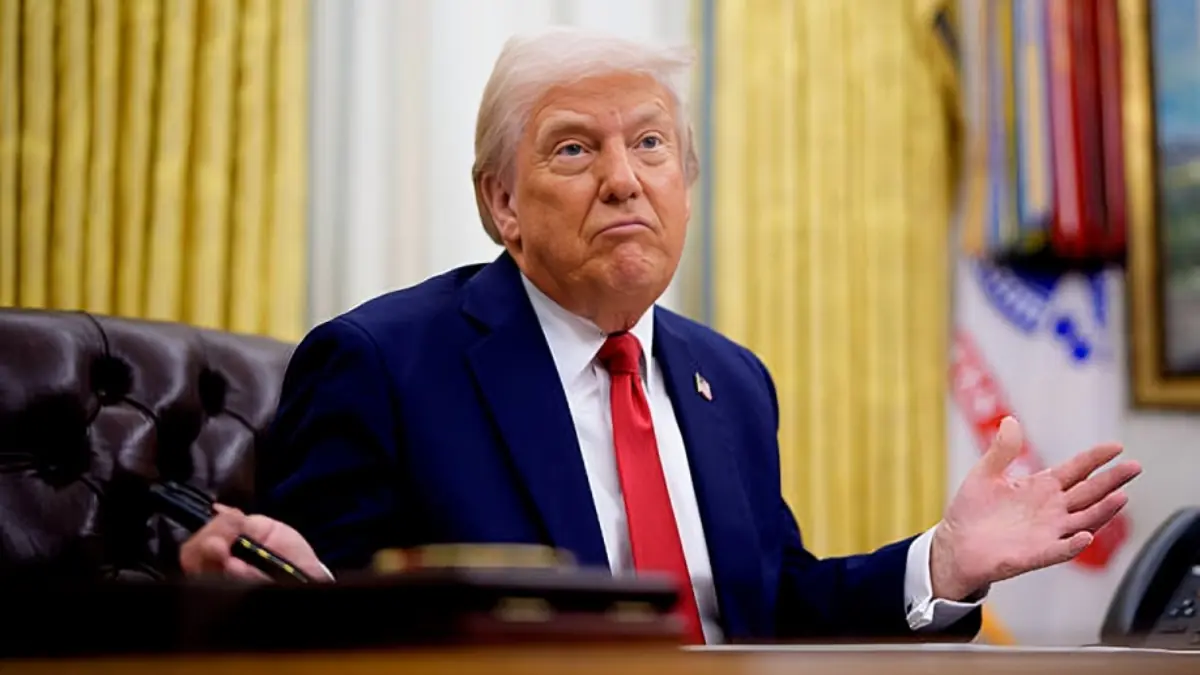
The election has also taken on an international dimension, particularly because of the relationship between the Bolsonaro family and US President, Donald Trump.
Trump has made restoring US influence in Latin America a central foreign-policy objective as right-wing governments have gained ground across the region.
Although he has not formally endorsed Flávio, Trump has longstanding ties with the Bolsonaro family. He backed Jair Bolsonaro in 2022 and recently hosted Flávio at the White House.
Lula and his allies have accused the Trump administration of attempting to influence Brazil’s election and help return the country’s right to power.
They have pointed to US tariffs and Washington’s efforts to send officials to Brazil to discuss electoral integrity as evidence of interference.
Tensions intensified on Friday when the United States suspended consular services at its embassy and consulates across Brazil, citing security concerns, just two days before the vote.
The development added another layer to an already tense election, although Washington has stopped short of formally backing either candidate.
Final Showdown
The October 25 runoff is expected to become a direct test of whether Lula can rebuild the coalition that brought him back to power in 2023 or whether Brazil’s conservative movement can complete its return to the presidency.
Lula must now persuade voters who supported eliminated candidates to back him while also addressing voter apathy that could weaken turnout among his traditional supporters.
Bolsonaro, meanwhile, must turn his first-round lead into a majority while expanding his appeal beyond the conservative base that propelled him to the top of the ballot.
The election is not only a contest between two competing economic and security agendas. It is also a referendum on the political legacy of the Lula-Bolsonaro era.
Lula has indicated that this will be his final presidential race, while Jair Bolsonaro remains barred from office.
The October runoff could therefore mark the final direct electoral confrontation between the two political forces, even as the divisions they represent continue to shape Brazil’s politics.
The stakes extend beyond the presidency. A victory for Bolsonaro would give the Brazilian right renewed control over the country’s political direction and strengthen the broader conservative wave across South America.
For Lula, defeat would represent a dramatic reversal for a president who returned to office after years of political and legal turmoil.
With Brazil deeply divided and neither side showing signs of retreat, the October 25 vote now promises to be a decisive battle over the country’s political future.

Felix Ifijeh is a journalist with years of professional reporting experience. Known for his keen news sense, compelling storytelling and commitment to accurate, impactful reporting, he has built a reputation for turning leads into clear, engaging, and well-structured reports that resonate with readers. His work reflects deep newsroom experience and a commitment to accurate, impactful journalism.