
-
Lula wins 51.79 per cent of the vote to defeat Flávio Bolsonaro, who secures 48.21 per cent in Brazil’s presidential runoff.
-
The 80-year-old president overturns his first-round deficit to secure an unprecedented fourth presidential election victory.
-
Bolsonaro rejects the outcome and vows to seek annulment over a two-hour extension of voting, despite requests for extended polling from both campaigns.
-
Lula faces a divided political landscape, mounting public debt and potential diplomatic tensions with US President Donald Trump.
October 26, (THEWILL) – Brazilian President Luiz Inácio Lula da Silva has won a fourth presidential election victory, defeating right-wing Senator Flávio Bolsonaro in a closely contested runoff, but his victory has been overshadowed by his opponent’s refusal to accept the result and threat of legal action to annul the election.
The country’s Superior Electoral Court announced that Lula secured 51.79 per cent of valid votes, against Bolsonaro’s 48.21 per cent, after all votes were counted in Sunday’s election.
Bolsonaro, the eldest son of former president Jair Bolsonaro, rejected the outcome, describing a decision to extend voting by two hours as unacceptable and vowing to challenge the result in court.

Speaking to supporters in Brasília, the senator said he could not recognise the election outcome and would seek its annulment.
The dispute followed complaints about disruptions to public transportation and severe weather in some parts of the country. Both campaigns had requested extensions of voting hours in certain areas, citing difficulties that prevented some voters from reaching polling stations.
Lula’s campaign had complained that the suspension of bus services in some locations restricted voters’ access to polling stations, while Bolsonaro’s campaign cited heavy rainfall in parts of southern Brazil.
Despite the controversy, Lula and his supporters celebrated the result, with crowds gathering in major cities, including São Paulo and Rio de Janeiro.
The victory marks a significant comeback for the 80-year-old former metalworker and trade union leader, who finished behind Bolsonaro in the first round of voting on October 4 but overturned the deficit in the runoff.
It also makes Lula the first Brazilian presidential candidate since the return to direct elections in 1989 to finish second in the first round and subsequently win the runoff.
Historic Political Comeback
Lula’s victory extends a political career spanning several decades and makes him Brazil’s most prominent contemporary figure on the left.
He first became president in January 2003 and served two consecutive terms until December 2010 before returning to office in January 2023, following his victory over Jair Bolsonaro in the 2022 election.
His political career suffered a major setback when he was imprisoned between 2018 and 2019 following corruption convictions that were subsequently overturned, clearing the way for his return to electoral politics.
In the latest contest, Lula faced a challenge from Flávio Bolsonaro, who sought to sustain the political influence of his father and consolidate support among conservative voters.
The senator had finished ahead of Lula in the first round, raising expectations within the Bolsonaro camp that the conservative movement could regain the presidency.
However, Lula reversed the result in the runoff, drawing crucial support from northeastern Brazil, a traditional stronghold of his Workers’ Party.
Following the announcement of the result, Lula said voters had been persuaded that participation in the election was important to ensuring democracy.
His victory also comes amid a broader shift towards conservative political movements in parts of Latin America, where voters have turned to right-wing candidates amid dissatisfaction with economic conditions, security and incumbent governments.
Bolsonaro Threatens Court Challenge
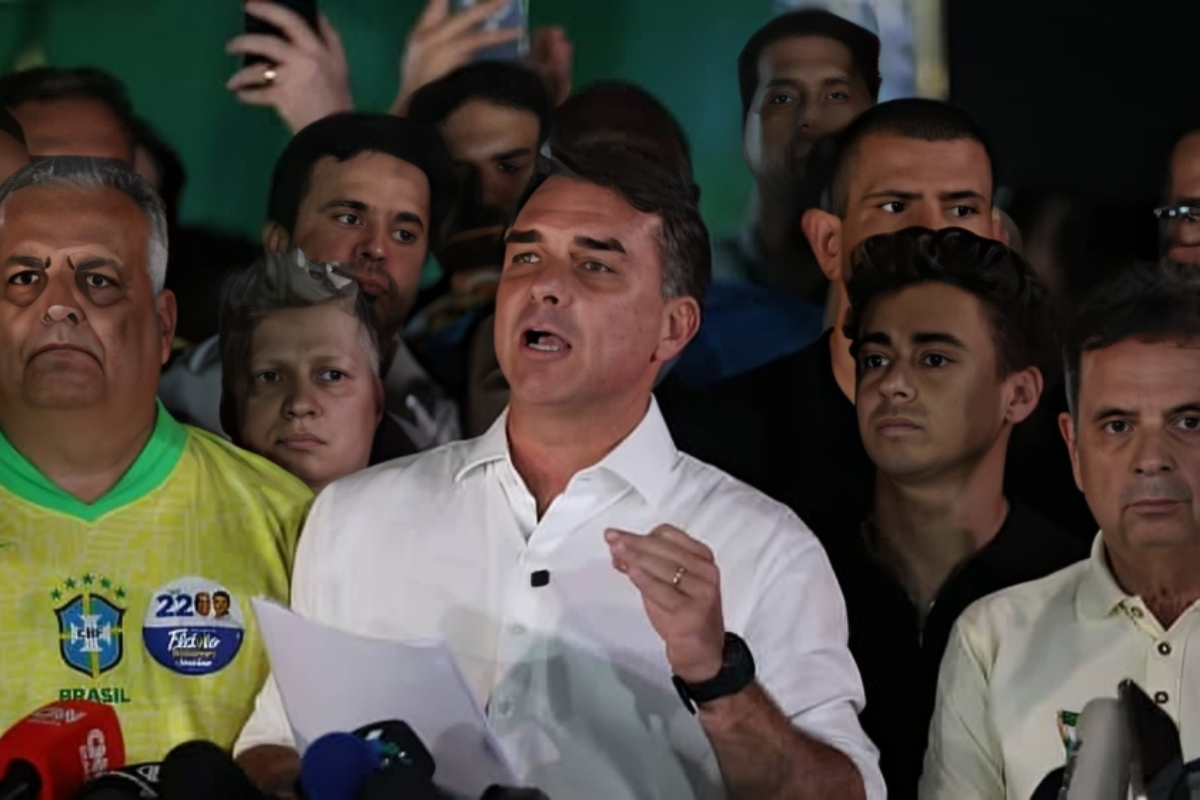
Bolsonaro’s rejection of the result has placed the election dispute at the centre of Brazil’s political transition.
The senator accused electoral authorities of mishandling the extension of voting and said he would pursue legal action to overturn the outcome.
The decision to extend polling by two hours followed complaints from both campaigns about circumstances affecting voters’ access to polling stations.
Lula’s campaign cited transportation disruptions, while Bolsonaro’s camp pointed to heavy rain in parts of the south.
Although both sides sought additional voting time in some areas, Bolsonaro subsequently described the extension as unacceptable after the result was announced.
His threatened legal challenge comes against the background of continuing political tensions following the 2022 election, when his father questioned the electoral process after losing to Lula.
Jair Bolsonaro was later convicted over an attempt to overturn the 2022 election result and is serving a 27-year prison sentence.
READ ALSO:
Economic Challenges Await Lula
Lula’s victory comes as Brazil faces pressure over public finances, high interest rates and the rising cost of servicing government debt.
Gross public debt reached 82.9 per cent of gross domestic product in August, according to the Central Bank of Brazil, reflecting the fiscal pressures confronting the government.
The president will also have to work with a divided Congress in which conservative lawmakers retain substantial influence, including through Bolsonaro’s Liberal Party.
That political configuration could affect the passage of legislation and the implementation of the administration’s economic and social programmes.
Lula has prioritised social welfare and measures aimed at improving living conditions, while his government has faced calls to address fiscal concerns and maintain confidence in the country’s economy.
His narrow victory also leaves the opposition with a significant electoral base as the country emerges from one of its most closely contested presidential races.
Relations With United States
The election result is also expected to influence Brazil’s relationship with the United States under President Donald Trump.
Trump had welcomed Bolsonaro’s performance in the first round, while Lula has previously clashed publicly with the US president over trade and foreign policy.
Lula’s victory maintains the current direction of Brazil’s foreign policy, including its efforts to play a prominent role in international diplomacy and discussions on the war in Ukraine.
Relations between Brasília and Washington could remain difficult amid differences over trade, regional security, and the treatment of Jair Bolsonaro.
Lula’s new term will therefore begin with significant domestic and international issues requiring attention, while the immediate dispute over the election result remains unresolved.

Felix Ifijeh is a journalist with years of professional reporting experience. Known for his keen news sense, compelling storytelling and commitment to accurate, impactful reporting, he has built a reputation for turning leads into clear, engaging, and well-structured reports that resonate with readers. His work reflects deep newsroom experience and a commitment to accurate, impactful journalism.
