
-
AI infrastructure demand is driving up memory costs, GSMA warns.
-
Memory prices rose another 80–90% in the second quarter.
-
Poorer African households already face steep handset costs.
-
The report does not quantify a Nigerian retail price increase.
September 18, (THEWILL) – Nigerians could face higher smartphone prices as the global expansion of AI infrastructure increases demand for memory components, adding pressure to the cost of getting online.
GSMA’s new State of Mobile Internet Connectivity Report 2026 warns that AI is making internet-enabled devices less affordable, even as digital services become increasingly important to everyday life.
How AI Demand Reaches the Phone Shop
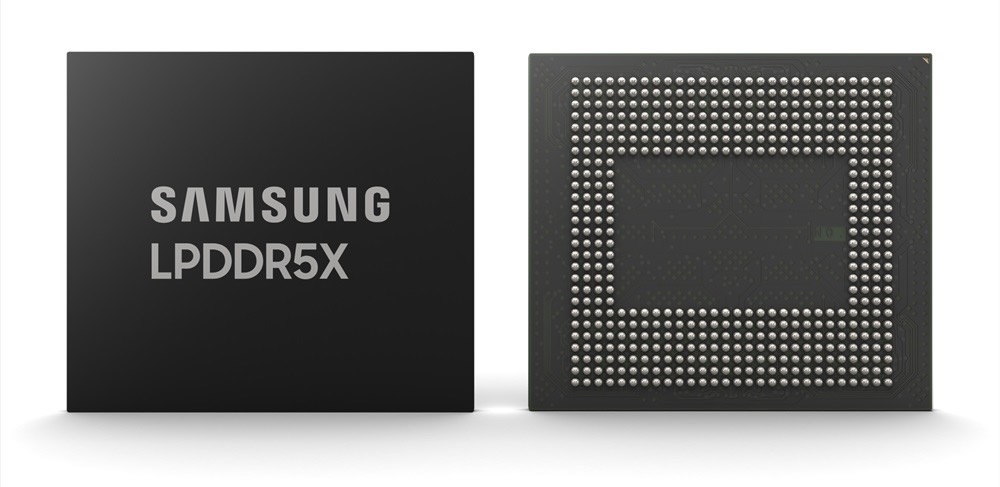
Memory prices more than doubled between the third quarter of 2025 and the first quarter of 2026, then increased another 80–90% in the second quarter, according to the report.

Alongside rising demand from AI operations and data centres, manufacturers are shifting away from older memory technologies used in cheaper handsets. Budget phones therefore face pressure from changing production priorities as well as higher component prices.
Those percentages describe memory costs, not increases in the price of a complete phone. They cannot be applied directly to a handset’s naira price, and the report does not establish how much Nigerian retailers have passed on to customers.
READ ALSO:
Network Coverage Cannot Pay for a Handset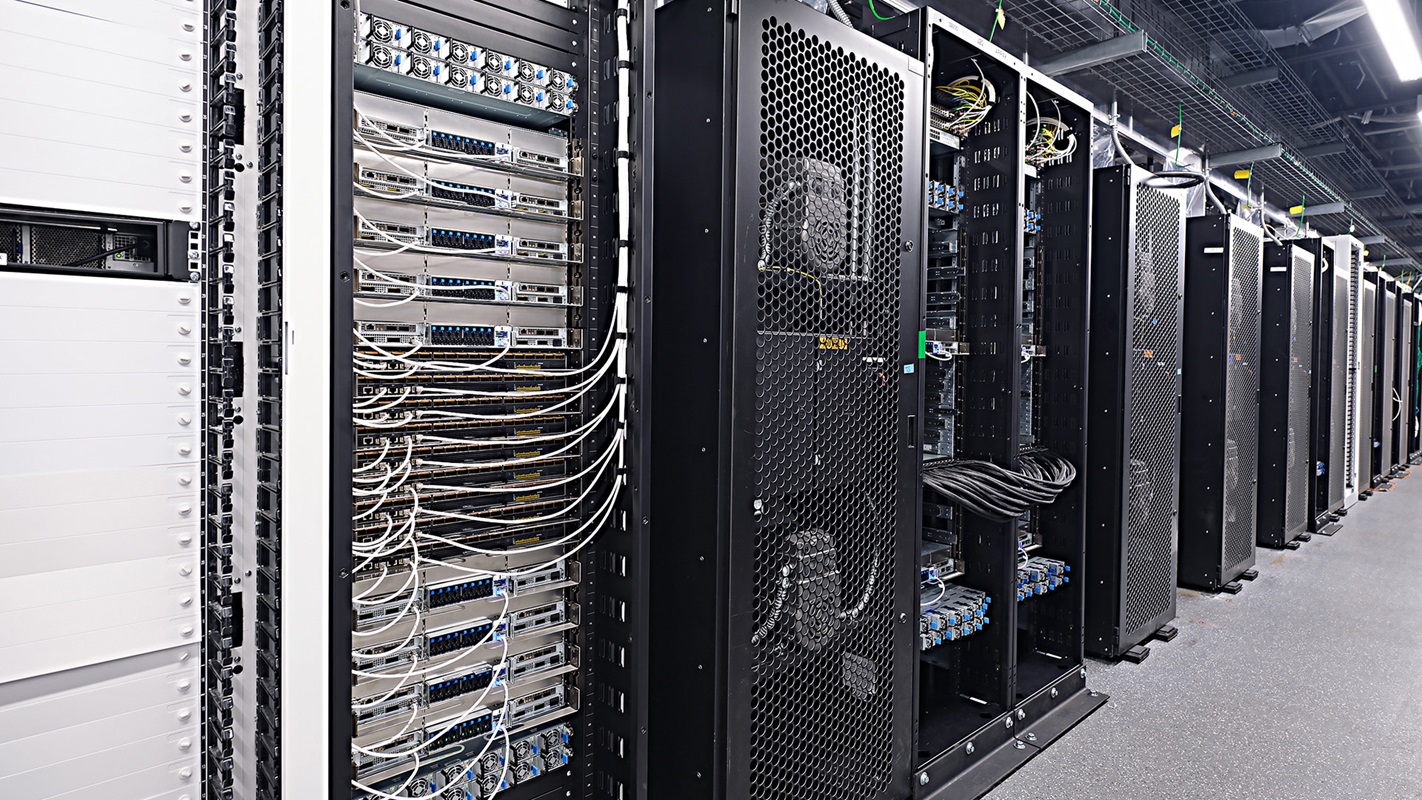
Blackwell server racks shown by Nvidia during an AI infrastructure presentation in 2024. Source: Tom’s HardwareAcross Sub-Saharan Africa, the cheapest internet-enabled handset cost the poorest fifth of the population approximately 76% of their average monthly income in 2025.
This regional measure includes internet-enabled feature phones and smartphones. It is neither a Nigeria-specific figure nor a measurement of the subsequent memory-price shock.
For Nigeria, the implication is that expanding network coverage can still leave people unable to use it. A household saving for its first smartphone could remain offline longer if the purchase price rises.
Businesses serving those customers would feel the consequences too. Banking apps, online shops and digital public services depend on people having usable devices, alongside affordable data and reliable connections.
Nigeria’s connectivity progress therefore needs to be measured through the price of entry as well as network reach. AI infrastructure spending could make that entry more expensive for people who have never used an AI service.

Joy Onuorah is a business journalist and brand communications specialist covering financial markets, artificial intelligence, digital economy, and the ideas reshaping business across Africa and the global market. Beyond her reporting for TheWill, Joy uses brand strategy, storytelling, copywriting, and high-value SEO to help brands build lasting market authority.
