
-
Dangote Refinery is targeting up to $5bn from its proposed Nigerian IPO, which could become Africa’s largest public offering.
-
The final offer size, however, will depend on regulatory approval and the structure of the transaction.
-
The refinery’s recent $2.5bn private placement valued it at about $40bn and was 3.7 times oversubscribed. The deal provides investors with an important reference point ahead of the public offering.
-
Investors will need to assess Dangote Refinery’s plans to expand capacity from 650,000 bpd to 1.4 million bpd. They will also weigh its growth potential, profitability, Nigerian ownership drive and execution risks against the IPO valuation.
August 18, (THEWILL) — Dangote Petroleum Refinery’s proposed $5bn Nigerian IPO could become Africa’s largest public offering, putting the refinery and its future growth plans firmly in the spotlight.
The company has submitted an application to the Securities and Exchange Commission (SEC) for an IPO of up to $5bn, with the final size still to be determined. The offering is targeted for October, subject to regulatory approval.
The IPO follows a $2.5bn private placement completed in July that valued the refinery at about $40bn.

The transaction, led by Africa Finance Corporation, was 3.7 times oversubscribed and attracted strong demand from African and international institutional investors.
For investors, however, the headline $5bn figure is only the starting point. Five issues will be particularly important.
1. The $5bn is a target, not the final IPO size
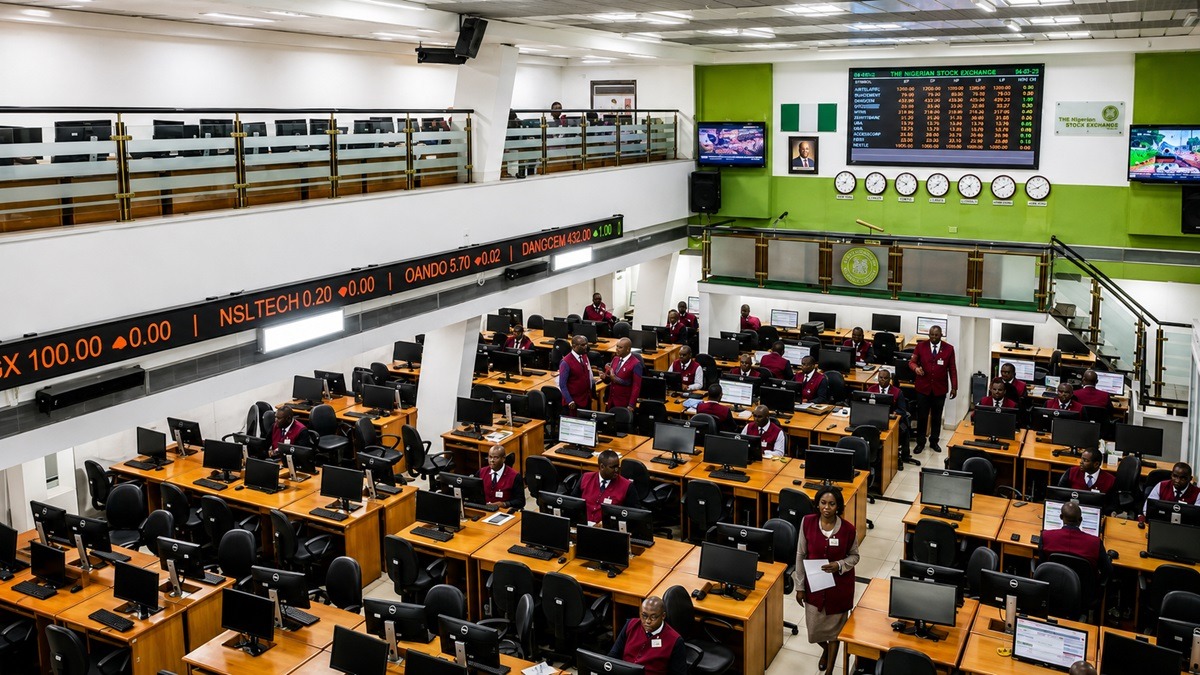
Dangote Refinery has applied for an IPO that could raise up to $5bn, but that does not mean the company will ultimately raise that amount.
The final offer size will depend on regulatory approval, the structure of the transaction and the terms eventually presented to investors. The distinction matters because the amount raised will influence the capital available to the refinery and potentially the portion of the company offered to public investors.
For now, investors should therefore treat $5bn as the company’s target rather than a confirmed fundraising figure.
2. The $40bn valuation is a reference point — not an IPO price
The recent private placement gives investors an important benchmark ahead of the IPO.
Dangote Refinery raised $2.5bn in July at a valuation of approximately $40bn, with the transaction attracting demand well above the amount offered. That valuation could provide a starting point for investors assessing the pricing of the public offering.
However, investors should not assume the refinery will automatically list at a $40bn valuation.
A private placement and a public offering involve different investor bases, market conditions and transaction structures. The eventual IPO valuation will depend on the offer terms and how the market responds.
3. The IPO is also a bet on expansion
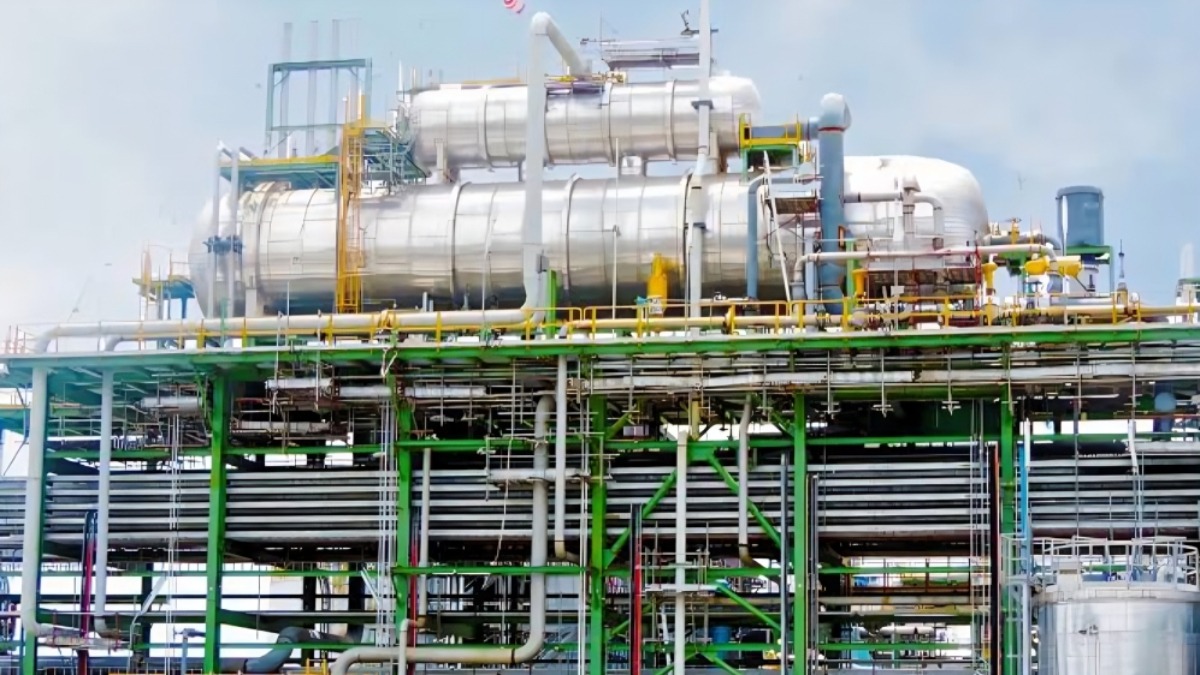
Investors will not simply be buying into Dangote Refinery’s existing operations.
They will also be buying into its plans for significant future growth.
Management aims to increase refining capacity from 650,000 barrels per day to 1.4 million bpd within three years.
The expansion is expected to be funded partly through IPO proceeds and debt.
That makes execution critical. Higher capacity could increase production, sales and earnings if the refinery can secure enough crude, maintain high utilisation and sell its products profitably.
But expansion also brings additional capital requirements and operating risks.
The key question for investors will therefore be whether management can turn the planned increase in capacity into sustainable earnings growth.
4. Nigerians are being placed at the centre of the IPO
Dangote Refinery is also presenting the offering as an opportunity for Nigerians to participate directly in the ownership of one of the country’s biggest industrial assets.
CEO David Bird said the company wants to drive broad participation and described the IPO as the “people’s IPO”. The company currently intends to keep the primary listing in Nigeria and has no plans for a foreign listing for at least three years.
According to Bird, the company wants to establish at least three years of proven production and financial performance before considering an overseas listing. A stronger track record could potentially support a higher valuation in international markets.
The Nigerian IPO is therefore not just about raising money. It could also significantly broaden local ownership of the refinery.
READ ALSO:
Dangote Refinery Shelves Overseas Listing, Prioritises $5bn Nigerian IPO
Dangote Refinery’s $5bn IPO Could Reach South Africa After Nigeria Listing
5. How much future growth are investors paying for?

This may ultimately be the most important question.
Dangote Refinery has already reached its 650,000 bpd nameplate capacity and has expanded its role in domestic and international fuel markets. Management now sees significant room for further growth as Africa remains structurally short of refined fuels and petrochemicals.
But strong growth expectations can become embedded in a company’s valuation.
If the IPO is priced around or above the $40bn valuation implied by the recent private placement, investors will need to decide whether the refinery’s expected expansion and earnings potential justify the price.
That assessment will require close attention to profitability, cash flows, debt, crude supply, refining margins, operating costs and the funding requirements of the expansion once the IPO prospectus is released.
The central question is therefore not simply whether Dangote Refinery is a large and strategically important business.
It is whether the price investors are asked to pay adequately reflects both its growth potential and the risks involved in delivering that growth.
That will ultimately determine whether the much-anticipated $5bn IPO represents an attractive investment opportunity.

Ogochukwu Onwaeze is a writer specializing in business and economic journalism. At THEWILL News Media, she translates market trends, financial developments, and policy shifts into clear and engaging stories.