
-
Presidential spokesman Daniel Bwala says the Tinubu administration is not worried about the opposition’s chances in 2027.
-
Bwala attributes the administration’s confidence to political calculations, electoral numbers and the opposition’s perceived weaknesses.
-
Six opposition parties are working towards a common platform to challenge the APC.
-
Internal disagreements and questions over the coalition’s membership have raised concerns about opposition unity.
November 23, (THEWILL) – The Presidency has expressed confidence in President Bola Tinubu’s chances of securing re-election in 2027, declaring that the opposition lacks the political strength and organisation to defeat the ruling All Progressives Congress (APC).
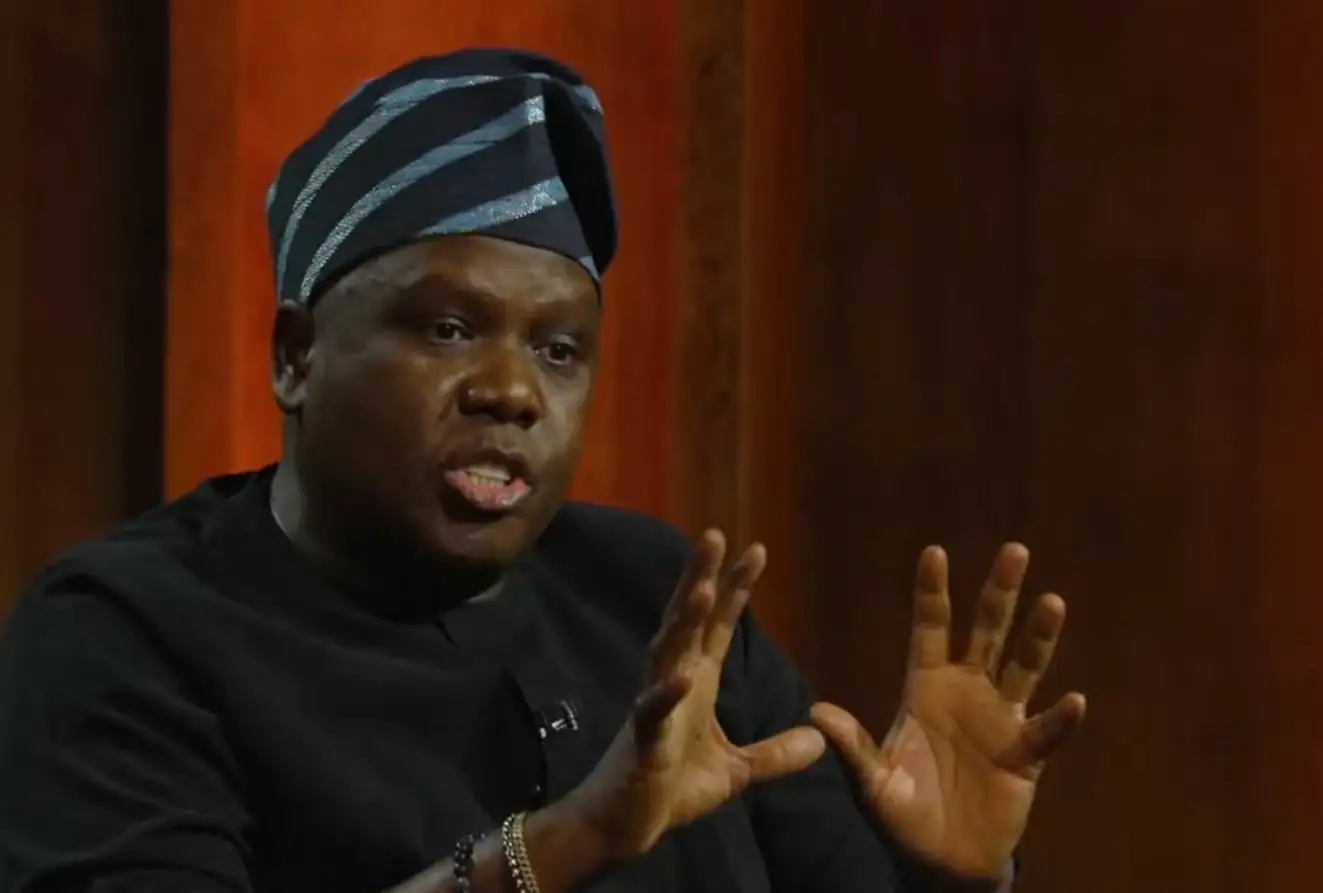
Presidential spokesman, Daniel Bwala, said the administration was not apprehensive about the emerging opposition challenge, insisting that political calculations and electoral trends indicated that the opposition was heading for defeat.
Speaking during an interview on Channels Television’s Morning Brief, Bwala said the administration’s confidence was informed by its assessment of political developments and the preparedness of parties seeking to challenge Tinubu.
“We are not jittery because those who believe in analytics and numbers, and who also look at political trajectory, can tell that the opposition is not ready; they are looking at defeat right in their faces,” he said.
His comments come amid renewed efforts by opposition parties to build a common political front ahead of the 2027 presidential election, with several political leaders exploring alliances to challenge the APC.
Six parties, including the African Democratic Congress (ADC), Allied Peoples Movement (APM), Nigeria Democratic Congress (NDC), Peoples Redemption Party (PRP), Social Democratic Party (SDP) and a faction of the Peoples Democratic Party (PDP), have been involved in discussions under the Coalition for Democracy.
READ ALSO:

The coalition is expected to hold its second summit in Abuja on November 30, where participating parties plan to formalise their cooperation through agreements on political unity, democratic reforms and electoral integrity.
However, the proposed alliance has encountered disagreements over participation and political representation, with the Wike-backed faction of the PDP publicly distancing itself from the arrangement and declaring support for Tinubu’s re-election through the Rainbow Coalition.
The opposition’s efforts have also been complicated by competing presidential ambitions among prominent politicians and internal party disputes, particularly the leadership crisis and legal challenges confronting the ADC.
Despite these challenges, opposition figures have continued to insist that a united front could provide a credible alternative to the APC in 2027, arguing that the performance of the Tinubu administration and prevailing economic conditions would be central to the election.
Bwala’s remarks underscore the Presidency’s determination to project confidence in Tinubu’s re-election bid as political alignments, campaign activities and negotiations among opposition parties gather momentum ahead of the general election.
The 2027 presidential contest is expected to test the APC’s ability to retain power against an opposition seeking to avoid the divisions that weakened its challenge in the 2023 election.
