
-
Federal Government begins work on 2027 budget, targeting presentation to National Assembly before end of 2026.
-
Finance Minister Taiwo Oyedele says proposed $21.7bn external financing will fund infrastructure and other priority development projects.
-
FG targets single-digit inflation by end of 2027 as headline inflation falls to 14.63% in September.
-
Government reports foreign reserves above $55bn, economic growth of 4.43% and expanded cash transfers, student loans and MSME support.
October 29, (THEWILL) – The Federal Government has commenced preparations for the 2027 budget, targeting its presentation to the National Assembly before the end of 2026, as it defends a proposed $21.7 billion external borrowing programme to finance infrastructure and other priority development projects.
Minister of State for Budget, Doris Uzoka-Anite, disclosed the budget timeline on Wednesday while briefing State House correspondents on the outcome of the Federal Executive Council (FEC) meeting chaired by President Bola Tinubu at the Presidential Villa, Abuja.
“We are working on the 2027 budget, and our intention is to present it before the end of the year,” Uzoka-Anite said.

The proposed timeline would allow the National Assembly to begin considering the government’s revenue projections, expenditure estimates and sectoral allocations ahead of the 2027 fiscal year.
FG Defends $21.7bn External Borrowing Plan
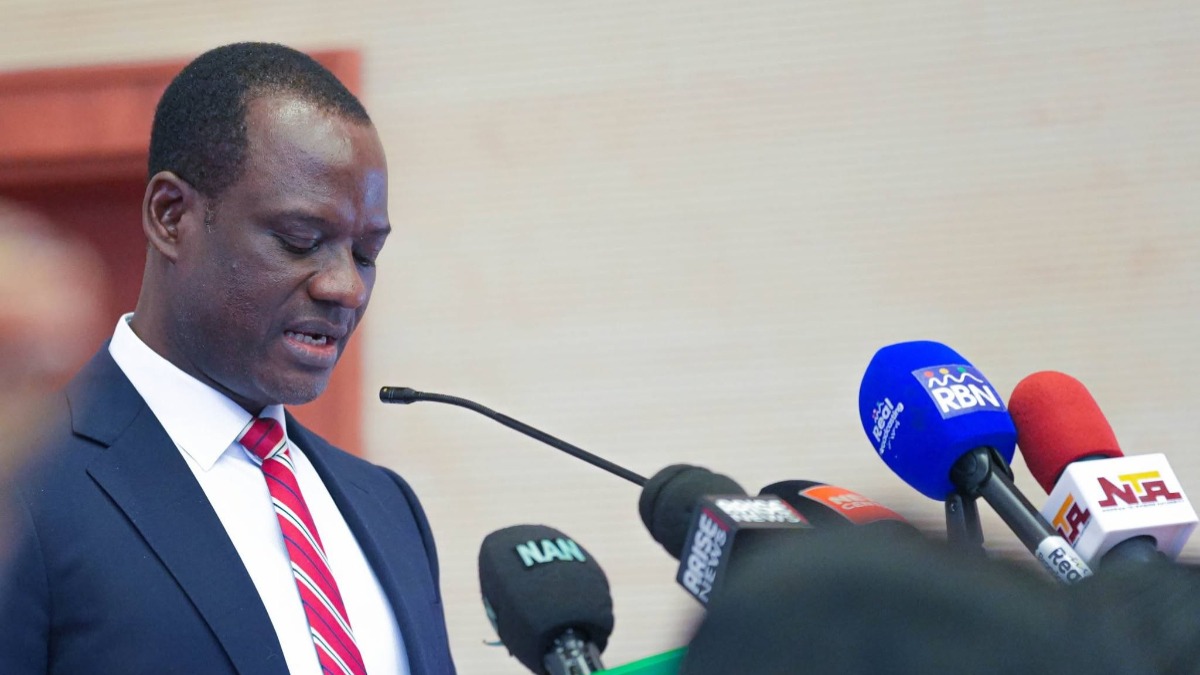
Minister of Finance and Coordinating Minister of the Economy, Taiwo Oyedele, defended the proposed $21.7 billion external borrowing programme, saying the financing would support productive investments, stimulate economic expansion and improve living conditions.
THEWILL reports that the proposal, submitted to the National Assembly for consideration, comprises dollar- and euro-denominated financing intended to support projects across transportation, security, healthcare, agriculture, energy, digital infrastructure, education and social welfare.
Oyedele said the borrowing should be assessed against the economic value of the assets and infrastructure it would deliver, as well as its potential to expand productive capacity and create employment.
“This is investment, not borrowing,” the minister said.
He disclosed that approximately $10.6 billion of the proposed financing would go to transportation infrastructure, including the Sokoto–Badagry and Lagos–Calabar coastal highways and the Kano–Kaduna railway corridor.
According to him, the government is pursuing financing arrangements with multilateral institutions, bilateral development partners and other sources to fund infrastructure expansion and critical development programmes.
About $7.9 billion of the proposed package is expected to come from multilateral and bilateral development institutions, with the World Bank accounting for a substantial portion.
Oyedele said the proposed $5 billion World Bank financing component would attract an average interest rate of approximately 2.1 per cent, while some facilities earmarked for social development programmes would carry interest rates of about two per cent.
He said the government was prioritising concessional financing to reduce borrowing costs and secure more favourable repayment terms than conventional commercial loans.
The minister maintained that the financing would be directed towards projects expected to generate long-term economic returns, strengthen infrastructure and support national development.
FG Targets Single-Digit Inflation By 2027
Oyedele also reaffirmed the Federal Government’s target of reducing inflation to a single-digit rate by the end of 2027, or earlier, citing a moderation in price increases and improvements in other macroeconomic indicators.
He said headline inflation declined to 14.63 per cent in September, compared with 20.98 per cent in the corresponding period of the previous year, after reaching a peak of approximately 34 per cent.
The minister disclosed that the FEC had agreed to strengthen ongoing interventions to contain inflationary pressures, particularly rising food prices, while sustaining investment in infrastructure, human capital development and employment generation.
He said the administration would continue implementing fiscal measures aimed at consolidating economic stability, stimulating productive activities and expanding opportunities for Nigerians.
READ ALSO:
On the country’s external financial position, Oyedele said foreign exchange reserves had risen above $55 billion, their highest level in 18 years, while net reserves had increased to more than $45 billion from below $1 billion three years earlier.
He also reported that the economy grew by 4.43 per cent in the second quarter, compared with 2.74 per cent in May 2023, and said Nigeria’s economic performance had improved when measured in dollar terms.
The minister attributed improved government revenue to ongoing fiscal and tax reforms, disclosing that the country’s tax-to-GDP ratio rose from approximately seven per cent in 2023 to 12.5 per cent by the end of 2025.
He added that the proportion of government revenue committed to debt servicing had fallen from 97 per cent to below 60 per cent, creating more fiscal space for development expenditure.
Oyedele Defends Petrol Subsidy Removal
The finance minister also defended the removal of the petrol subsidy, arguing that repeated increases in petroleum product prices over several decades had failed to address the structural problems associated with the former subsidy arrangement.
According to him, petrol prices were adjusted an estimated 3,050 times over the past 50 years without resolving the financial and operational challenges surrounding the regime.
He said the subsidy had placed significant pressure on public finances, limiting the resources available for infrastructure development and essential social services.
Oyedele maintained that removing the subsidy was necessary to address the underlying fiscal imbalance, while acknowledging the need for interventions to cushion vulnerable households against the effects of economic adjustments.
On social protection, he disclosed that more than 10 million households had received cash transfers exceeding ₦600 billion under government assistance programmes.
He also said the Nigerian Education Loan Fund had disbursed ₦372.6 billion to more than 1.5 million students to support access to tertiary education.
More than 800,000 micro, small and medium-sized enterprises, according to the minister, had benefited from subsidised credit facilities carrying single-digit interest rates.
Oyedele further explained that individuals earning up to ₦100,000 monthly were exempt from personal income tax under the applicable reforms.
He said qualifying small businesses with annual turnover not exceeding ₦100 million would also benefit from exemptions covering company income tax, value-added tax and withholding tax, subject to the relevant provisions.
The minister said the government would continue monitoring the effects of its policies and make necessary adjustments to support economic recovery, strengthen household purchasing power and protect disadvantaged Nigerians.
Capital Market Valuation Rises Above ₦160tn
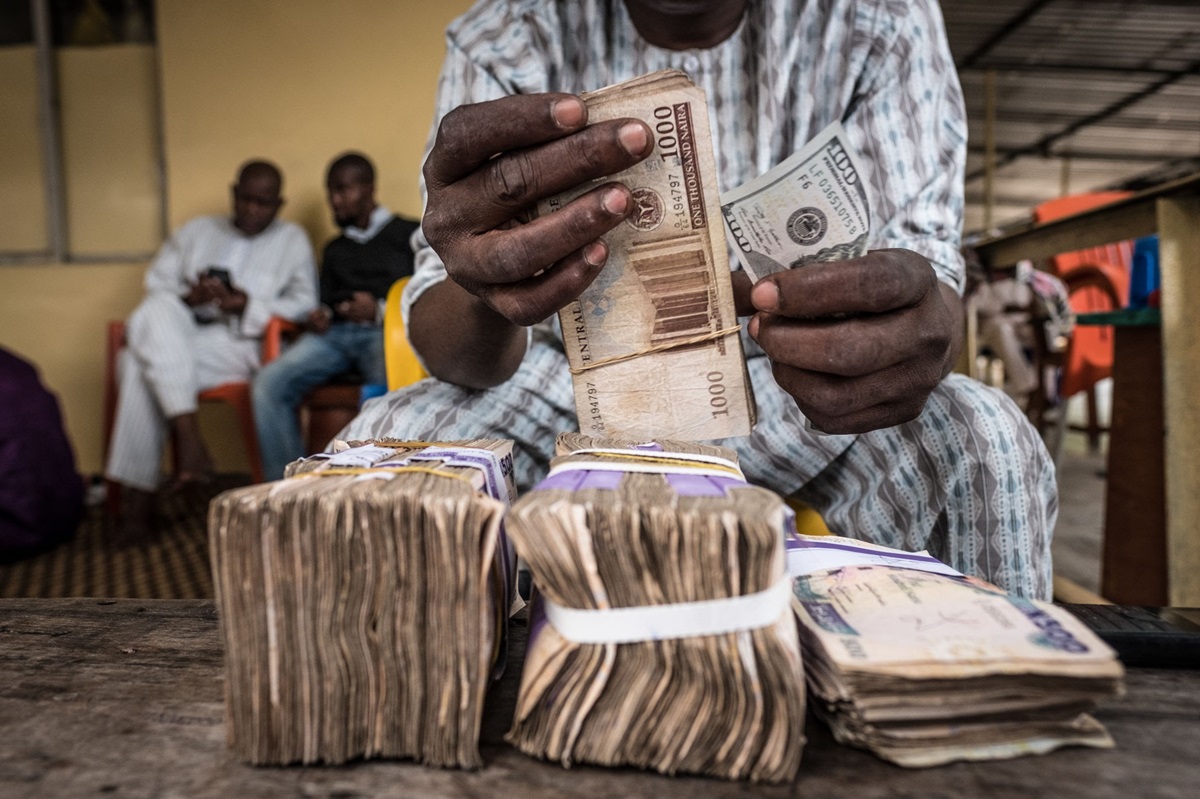
Oyedele also highlighted developments in the Nigerian capital market, saying its valuation had expanded from approximately ₦30 trillion to more than ₦160 trillion.
He cited the increase as evidence of improved investor participation and market performance.
The minister expressed confidence in the medium-term outlook for the naira, pointing to stronger foreign exchange reserves and improvements in economic fundamentals as factors that could support currency stability.
He reaffirmed the government’s commitment to sustaining economic reforms, strengthening public finances and directing investment towards infrastructure, productive sectors and social development.

Felix Ifijeh is a journalist with years of professional reporting experience. Known for his keen news sense, compelling storytelling and commitment to accurate, impactful reporting, he has built a reputation for turning leads into clear, engaging, and well-structured reports that resonate with readers. His work reflects deep newsroom experience and a commitment to accurate, impactful journalism.
