
-
Elena Rybakina completed a remarkable US Open run by defeating two-time defending champion Aryna Sabalenka 6-4, 5-7, 6-2 to win her first title in New York.
-
The Kazakh arrived at Flushing Meadows unsure whether she could even compete after suffering a serious foot injury weeks before the tournament.
-
Rybakina’s victory secured her third Grand Slam title and saw her replace Sabalenka as world No.1 after the Belarusian’s 99-weekreign at the top.
-
For Sabalenka, the defeat extended a painful pattern in Grand Slam finals and ended her hopes of becoming the third woman in the Open Era to win three consecutive US Open titles.
September 13, (THEWILL) – Elena Rybakina completed one of the most remarkable stories of the 2026 US Open after overcoming injury concerns, a difficult draw and Aryna Sabalenka to lift the trophy at Flushing Meadows.
The Kazakh produced a composed performance in Saturday’s final, recovering from a second-set setback to defeat the two-time defending champion 6-4, 5-7, 6-2 and claim her first US Open crown.
The victory adds another major title to Rybakina’s collection after her Wimbledon triumph in 2022 and Australian Open success earlier this year.

More significantly, it completes a dramatic turnaround for a player who arrived in New York with genuine doubts about whether she would even be able to compete.
Rybakina aggravated a foot injury during her Cincinnati quarter-final against Iga Swiatek last month and was unable to walk comfortably for several days afterwards.
She revealed that she did not train on court for an entire week before the US Open, instead relying on recovery work and treatment with her team to give herself a chance of competing.
“I couldn’t even walk for the next few days without pain,” Rybakina said.
Despite those concerns, the second seed immediately looked comfortable once the tournament began.
READ ALSO:
She won her opening four matches without dropping a set, including a victory over four-time Grand Slam champion Naomi Osaka, before being pushed harder in the latter stages.
Rybakina recovered from losing the opening set against Zheng Qinwen in the quarter-finals and Coco Gauff in the semi-finals before producing her most complete performance of the tournament against Sabalenka.
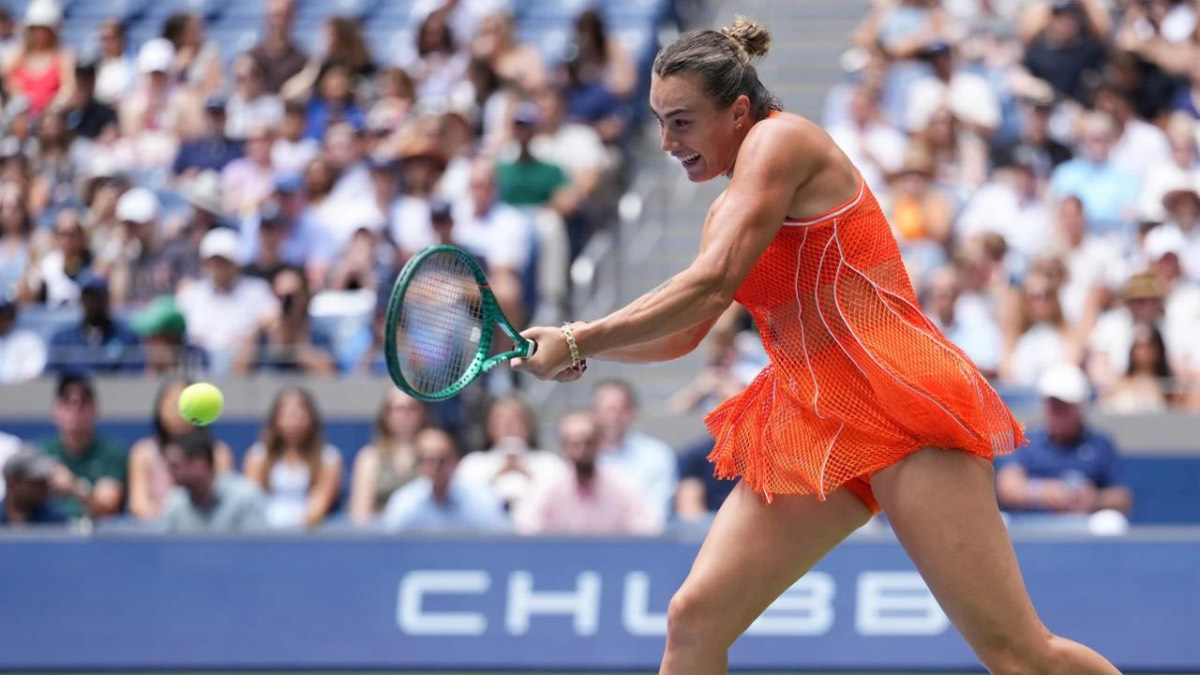
Sabalenka fights back before Rybakina takes control
The final initially appeared to be following a familiar script between two of the biggest hitters in women’s tennis.
Rybakina took the opening set 6-4 despite an unusually poor first-serve percentage, finding another route to control the match through her returning.
Sabalenka responded in the second set, becoming more aggressive and eventually breaking Rybakina in the 12th game to level the contest at one set apiece.
But the momentum did not carry into the decider.
Rybakina remained remarkably calm while Sabalenka’s frustration became increasingly visible. The Kazakh’s deep returning repeatedly pinned her opponent behind the baseline, allowing her to establish a 3-1 advantage before she eventually pulled away.
There was one final moment of tension when Rybakina double-faulted while serving for the championship.
Rather than allowing the mistake to derail her, she immediately reset and produced an ace on championship point to seal the victory.
It was a fitting finish for a player whose defining quality throughout the tournament was composure under pressure.
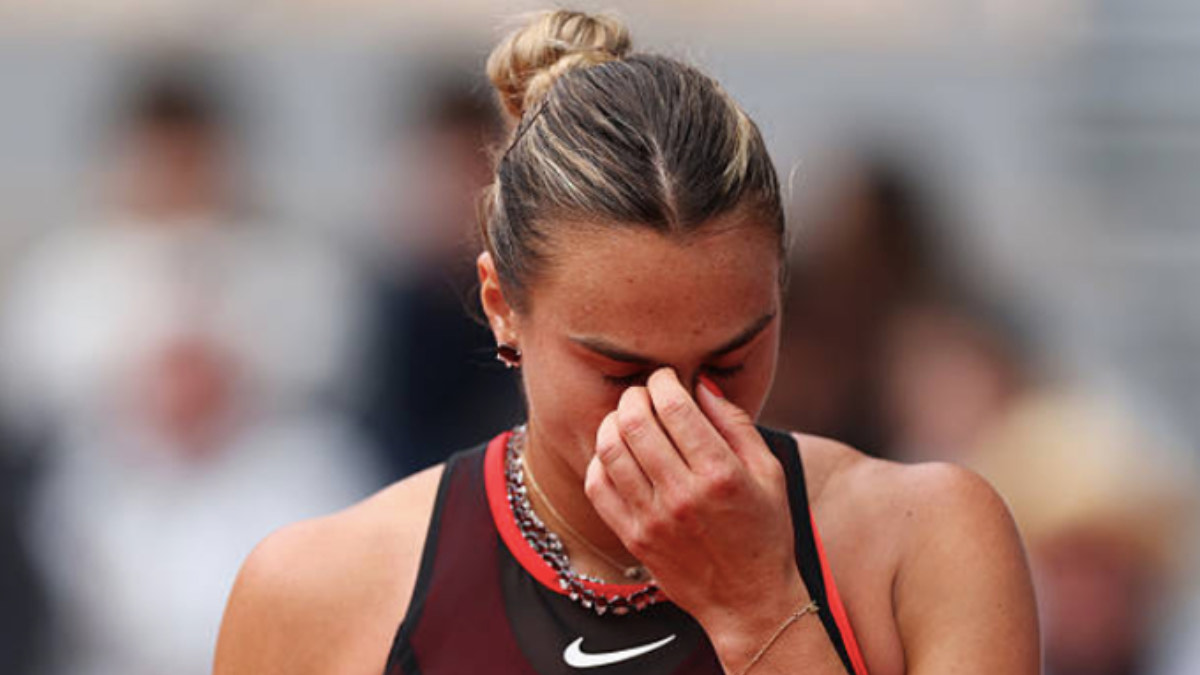
Sabalenka’s emotional night ends another Grand Slam near-miss
For Sabalenka, the defeat was another painful chapter in a growing list of missed opportunities on the biggest stage.
The Belarusian was chasing a third consecutive US Open title, a feat that would have placed her alongside only Chris Evert and Serena Williams in the Open Era.
Instead, she leaves New York without a Grand Slam title in 2026 and will surrender the world No.1 ranking to Rybakina after 99 weeks at the summit.
The disappointment was evident immediately after the final.
Sabalenka repeatedly slammed her racquet into the court and struggled to contain her emotions as Rybakina celebrated on the other side of the net.
The four-time Grand Slam champion later admitted that controlling her emotions had been difficult given the significance of the occasion.
“It’s really tough to control your emotions when you lose in the final of the Grand Slam and when you were trying to go for three-peat,” she said.
Her emotional response was particularly striking because Sabalenka has often used her intensity as a weapon.
This time, however, it appeared to work against her.
Former British number one Annabel Croft suggested Sabalenka’s body language and negativity contributed to her difficult start, arguing that she struggled to acknowledge the level of tennis Rybakina was producing.

Olumide Atiba is a sports journalist with THEWILL, known for his keen news sense and compelling storytelling. He has built a reputation for turning leads into clear, well-structured reports that resonate with readers, with a strong focus on football coverage
