
-
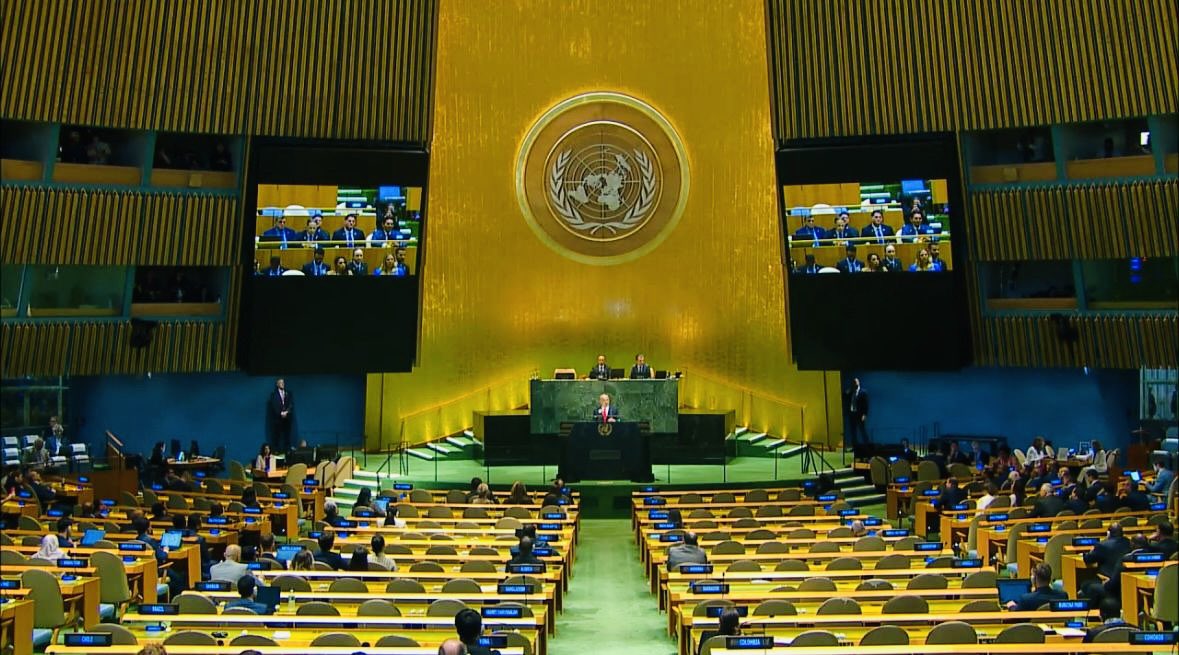
Africa is carrying its decades-old demand for permanent representation on the United Nations Security Council into the 81st session of the General Assembly, with the African Union demanding at least two permanent seats and five non-permanent seats in any reformed Council.
-
African Union Commission Chairperson Mahmoud Ali Youssouf says Africa is “not asking for a favour” but demanding the “correction of a historical injustice,” arguing that the Council must reflect today’s geopolitical realities rather than the power structure established in 1945.
-
President Bola Tinubu has separately declared that “it is time for Africa to occupy permanent seats on the UN Security Council, with all attendant privileges, including the veto,” underscoring Nigeria’s support for full African representation in the Council’s permanent category.
-
UN Secretary-General António Guterres has also backed the African demand, telling African leaders in February that the absence of permanent African seats is “indefensible” and declaring, “This is 2026 — not 1946,” as negotiations on Security Council reform continue into UNGA 81.
September 18, (THEWILL) – Africa’s 80-year campaign for permanent representation on the United Nations Security Council is entering another critical phase as the 81st session of the General Assembly gets underway, with the continent insisting that reform must address not only its absence from the permanent category but also the unequal distribution of power within the Council.
UNGA 81 opened on September 8, while the high-level General Debate is scheduled for September 22 to 28.
As of September 18, the high-level debate has not begun, and African heads of state have not yet delivered their General Debate addresses. The African position now entering the session is therefore based on positions already formally stated by the African Union, individual African governments and the UN leadership.

At the centre of the campaign is the African Union’s Common African Position, anchored in the Ezulwini Consensus and Sirte Declaration.
The AU is demanding at least two permanent seats for Africa with full prerogatives, including the veto for as long as the veto exists, and five non-permanent seats on an expanded Security Council.
The insistence on full powers is central to the African position. The continent is not seeking permanent seats without authority; it wants its representatives to enjoy the same rights and privileges as the existing permanent members.
Youssouf: ‘Africa Is Not Asking For A Favour’
The AU’s case was stated forcefully by its Commission Chairperson, Mahmoud Ali Youssouf, on May 11, 2026, during a ministerial meeting on Security Council reform in Nairobi.
“Africa is not asking for a favour; Africa is demanding the correction of a historical injustice”, Youssouf said.
He argued that Africa could no longer remain excluded from permanent representation despite the continent’s demographic, political and economic weight.
Youssouf also tied the issue directly to the credibility of the Security Council.
“The credibility and legitimacy of the Security Council depend on its ability to reflect the realities of today’s world, not the geopolitical order of 1945”, he said.
READ ALSO:
The AU Commission chairperson reiterated the African demand for no fewer than two permanent seats with full prerogatives, including the veto while it remains in existence, together with five non-permanent seats.
The position reflects the AU’s broader argument that simply increasing the number of Council members without changing the distribution of permanent authority would leave the fundamental imbalance untouched.
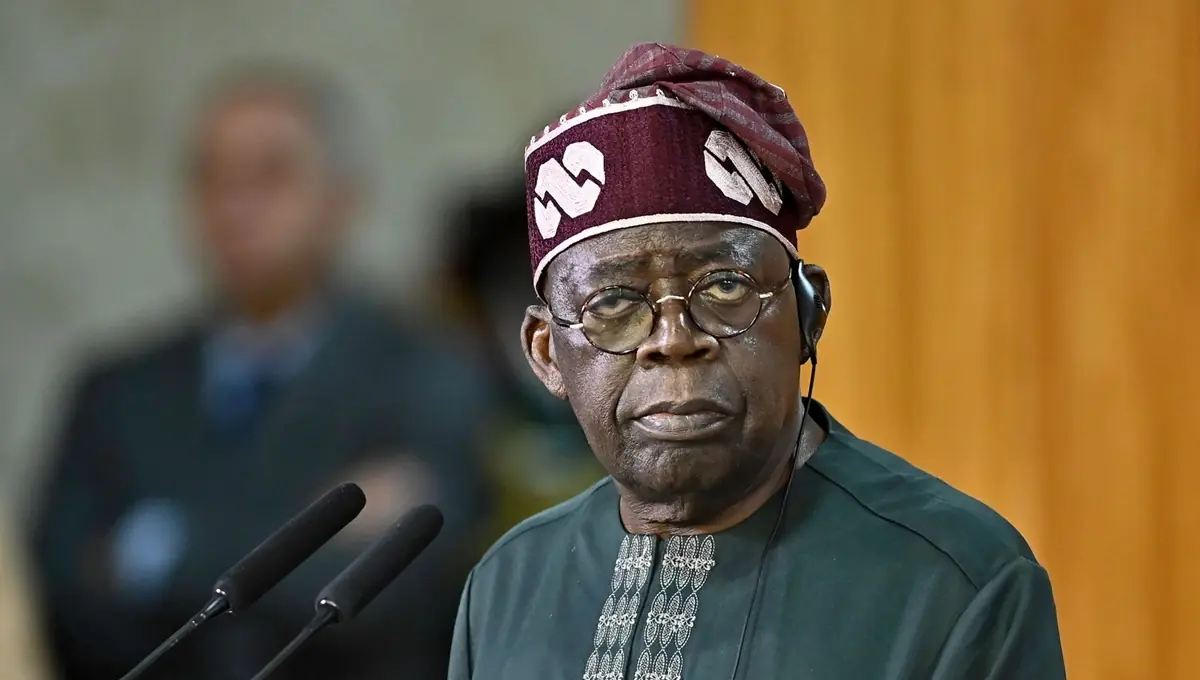
Tinubu Puts Nigeria Behind Full African Representation
Nigeria’s position has been stated at the highest political level. President Bola Ahmed Tinubu, speaking at the 7th African Union-European Union Summit in Luanda, Angola, on November 24, 2025, declared:
“It is time for Africa to occupy permanent seats on the UN Security Council, with all attendant privileges, including the veto.”
Tinubu called for genuine text-based negotiations under the Intergovernmental Negotiations framework and urged European Union countries to support Africa’s demand for reform of the United Nations.
The statement predates UNGA 81 and is not being presented as a speech delivered at the current General Assembly. It is, however, a clear statement of Nigeria’s presidential position as the reform negotiations move into the 81st session.
Nigeria has also advanced the African position through its participation in the separate intergovernmental negotiations on Security Council reform.
Its position has been that any new permanent African seats must carry the same prerogatives and privileges as those held by the existing permanent members.
Nigeria has rejected intermediate and hybrid membership arrangements that would create a lesser category of permanent membership. Its argument is that a permanent African seat without the same authority enjoyed by the existing permanent members would amount to institutional inequality rather than genuine reform.
Nigeria further maintained that the veto should either be abolished altogether or, for as long as it remains in the Council’s structure, extended to any new permanent members, including those representing Africa.
That position is consistent with Tinubu’s call for African permanent seats with “all attendant privileges, including the veto.”
For Nigeria, therefore, the debate is not simply about whether Africa should have a permanent presence. It is also about whether that presence would carry meaningful decision-making authority.
Guterres: ‘This Is 2026 — Not 1946’
The African campaign has received strong support from UN Secretary-General António Guterres, although his intervention also predates the current UNGA 81 General Debate.
Addressing the 39th African Union Summit in Addis Ababa on February 14, Guterres said:
“The absence of permanent African seats in the Security Council is indefensible. This is 2026 — not 1946.”
Guterres further told African leaders: “Whenever decisions about Africa and the world are on the table, Africa must be at the table.”
The UN chief’s intervention reinforced the central African argument that the institutional arrangements established at the end of the Second World War no longer correspond fully with the contemporary international system.
The 1945 Power Structure
The Security Council was established in 1945 with five permanent members — China, France, Russia, the United Kingdom and the United States — and 10 elected members.
The Council now operates within a United Nations of 193 member states, but the permanent membership has remained unchanged.
African countries have repeatedly served as elected members, but those mandates last for two years and do not confer veto power.
That distinction is fundamental to the African campaign. The AU is seeking both additional non-permanent representation and permanent representation. Its Common African Position calls for five non-permanent seats and at least two permanent seats.
The AU further maintains that if the veto survives Security Council reform, it must be available to the new African permanent members.
What Africa Wants From UNGA 81
The African demand entering UNGA 81 is specific. The continent wants at least two permanent Security Council seats, five non-permanent seats and full prerogatives for its permanent members, including the veto for as long as the veto remains in existence.
The argument has been stated by African leaders in different forums and at different times.
Youssouf has called Africa’s exclusion a “historical injustice.” Tinubu has said it is “time for Africa to occupy permanent seats” with “all attendant privileges, including the veto.” Guterres has described the absence of permanent African seats as “indefensible.”
Those statements were not made at the same event, nor were they all made during UNGA 81. But together they establish the political position with which Africa enters the current session.
The immediate task is now to translate that established position into progress in the intergovernmental negotiations.
The high-level General Debate beginning September 22 will bring world leaders to New York, creating another opportunity for the reform question to receive political attention.
For Africa, however, the central issue has already been defined. The continent is demanding permanent representation in the body responsible for the UN’s most consequential decisions on international peace and security — and it is insisting that representation must come with the powers attached to the seat.
However, member states remain divided over the number of additional seats, their categories, regional distribution, the future of the veto and the process for selecting new permanent members. Africa also faces an eventual internal question over which countries would occupy any permanent seats allocated to the continent.
The AU position is that Africa should determine the selection of African representatives through its own mechanisms rather than imposed externally.
That is the substance of Africa’s 80-year argument as UNGA 81 moves forward.
Felix Ifijeh is a journalist with years of professional reporting experience. Known for his keen news sense, compelling storytelling and commitment to accurate, impactful reporting, he has built a reputation for turning leads into clear, engaging, and well-structured reports that resonate with readers. His work reflects deep newsroom experience and a commitment to accurate, impactful journalism.