
-
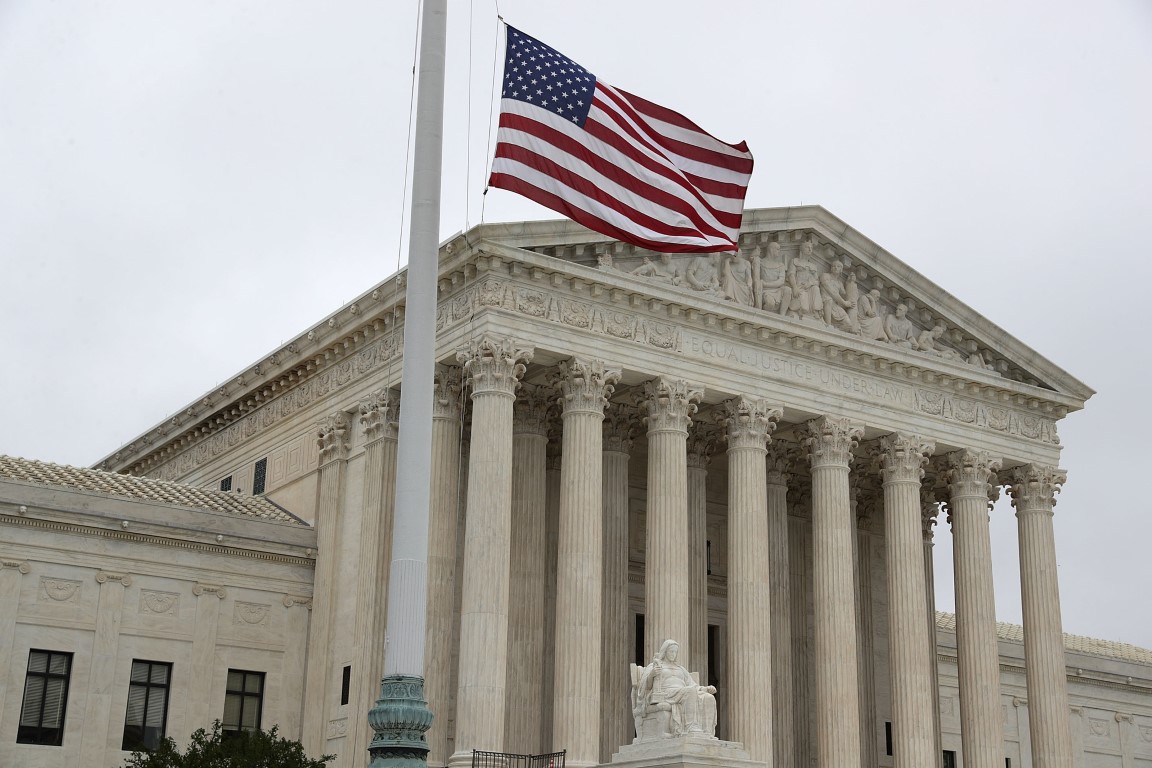
The Trump administration has asked the US Supreme Court to immediately lift restrictions on deporting undocumented migrants to countries other than their countries of origin.
-
The administration says the court-imposed restrictions are creating substantial logistical problems, arguing that third-country removals are an essential tool when migrants cannot be returned to their home countries, including some convicted of serious crimes.
-
Request follows a ruling by a federal appeals court that largely upheld restrictions on the policy, requiring migrants facing third-country removal to receive adequate notice and an opportunity to raise concerns that they could face persecution or torture.
-
The Supreme Court’s intervention could determine how the administration carries out thousands of deportations, as the Trump government seeks greater flexibility to send migrants to countries willing to receive them rather than waiting for their countries of origin to accept them.
September 25, (THEWILL) – The administration of President Donald Trump has asked the United States Supreme Court to lift restrictions on its controversial policy of deporting undocumented migrants to countries other than their countries of origin.
The emergency application filed on Thursday, seeks to set aside a lower-court ruling that limits the administration’s ability to carry out so-called third-country removals while the wider legal challenge continues.
Solicitor General John Sauer argued that the restrictions had created “substantial logistical problems” for the government and described third-country removals as an essential tool for removing certain migrants, including some convicted of serious crimes.

The administration has defended the policy on the grounds that some migrants cannot be returned directly to their home countries because those governments refuse to accept them. It argues that alternative destinations are therefore necessary to enforce final deportation orders.
The move follows a ruling last week by the US Court of Appeals that largely upheld a lower-court decision restricting the policy.
The appellate court held that migrants facing removal to a third country must receive effective notice and a meaningful opportunity to raise claims that they could face persecution or torture in the proposed destination.
The court’s ruling did not prohibit third-country deportations altogether but imposed procedural safeguards before such removals can take place.
READ ALSO:
Trump campaigned on a promise to deport millions of undocumented immigrants and has pursued a series of measures aimed at expanding immigration enforcement.
Third-country removals have become an important part of that effort, particularly where direct deportation is difficult or unavailable. US law, however, bars the government from deporting people to countries where they face a danger to their lives or a risk of torture.
The administration is now asking the Supreme Court to suspend those restrictions, arguing that they interfere with its ability to organise deportation flights and secure agreements with countries willing to receive migrants.
While the apex Court has not yet ruled on the administration’s request, it requested a response from the migrants challenging the policy by September 28.

Felix Ifijeh is a journalist with years of professional reporting experience. Known for his keen news sense, compelling storytelling and commitment to accurate, impactful reporting, he has built a reputation for turning leads into clear, engaging, and well-structured reports that resonate with readers. His work reflects deep newsroom experience and a commitment to accurate, impactful journalism.
