
-
Presidential Working Group completes drafting of the National Policing Bill, 2026, and 29 consequential amendment bills.
-
The draft bills were submitted to the Federal Ministry of Justice for legislative drafting review and validation.
-
The Justice Ministry is expected to return the validated bills to the Working Group by October 30.
-
The proposed law provides for Federal and State Police Services as the constitutional amendment process continues.
October 21, (THEWILL) – The Presidential Working Group on the National Policing Bill has completed the drafting of the National Policing Bill, 2026, and 29 consequential amendment bills.
The draft legislation was formally submitted to the Federal Ministry of Justice on Monday, October 19, 2026, for legislative drafting review and validation.
Chief of Staff to the President and Chairman of the Working Group, Femi Gbajabiamila, disclosed this in a statement on Tuesday.

According to him, the submission was made to the Attorney-General of the Federation and Minister of Justice in line with the Working Group’s work plan.
He said the review by the Ministry of Justice would ensure that the proposed bills conform to legislative drafting standards and conventions and do not conflict with existing laws.
The Ministry is expected to return the validated draft bills to the Working Group on or before Friday, October 30, 2026.
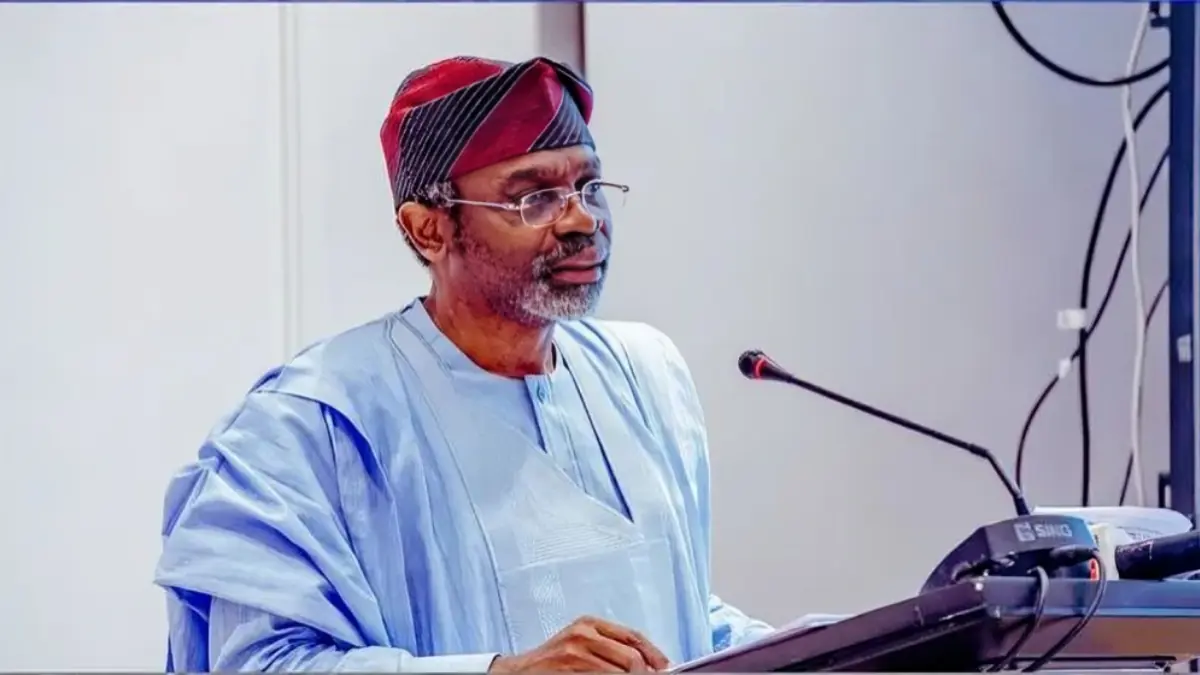
Gbajabiamila said the Working Group would, upon receiving the validated documents, give them final consideration before presenting them to President Bola Tinubu, thereby concluding its mandate.
The proposed National Policing Bill seeks to establish the constitutional and legislative framework for a dual policing structure comprising a Federal Police Service and State Police Services.
The Working Group said its work on the bill is proceeding alongside the ongoing consideration of the Constitution of the Federal Republic of Nigeria, 1999 (Sixth Alteration) Bill, 2026, by the State Houses of Assembly.
The constitutional amendment process is required to be completed before the National Policing Bill is transmitted to the National Assembly.
The Working Group said it remained committed to a rigorous and transparent process that would deliver a comprehensive legislative proposal for consideration by the President and subsequent transmission to the National Assembly.
Gbajabiamila had last week said the National Policing Bill was about 90 per cent ready and was expected to be transmitted to the National Assembly within two weeks.
He disclosed this after a meeting of the Working Group’s steering committee at the State House, Abuja, where he said the panel was working to resolve outstanding issues before completing its assignment.
The latest submission marks the completion of the drafting stage of the Working Group’s assignment, with the Justice Ministry’s review now preceding the panel’s final consideration and presentation of the bills to the President.
READ ALSO:
Background
The Federal Government established the Presidential Working Group on the National Policing Bill to develop the legislative framework for the proposed restructuring of Nigeria’s policing system.
A major component of the proposed reform is the establishment of State Police Services alongside the Federal Police Service.
The reform requires constitutional amendments because the existing constitutional framework provides for the Nigeria Police Force as a federally controlled police institution.
The proposed Sixth Alteration Bill, 2026, currently before the State Houses of Assembly, is therefore part of the process required to provide the constitutional basis for the new policing structure.
The National Policing Bill, 2026, and the 29 consequential amendment bills are expected to proceed to the President after the Justice Ministry completes its legislative drafting review and the Presidential Working Group conducts its final consideration.:

Felix Ifijeh is a journalist with years of professional reporting experience. Known for his keen news sense, compelling storytelling and commitment to accurate, impactful reporting, he has built a reputation for turning leads into clear, engaging, and well-structured reports that resonate with readers. His work reflects deep newsroom experience and a commitment to accurate, impactful journalism.
