
-
Smart glasses cheating could trigger criminal investigations.
-
Authorities propose extending exam bans to three years.
-
Dedicated inspectors will cover 1,312 examination centres.
-
The longer ban requires a change in law.
October 30, (THEWILL) – South Korea plans to refer students caught cheating with smart glasses in its national university entrance examination for criminal investigation, escalating penalties beyond cancelled results and temporary exam bans.
The Education Ministry announced the measures on October 29, ahead of the November 19 College Scholastic Ability Test, known as Suneung.
Officials are also seeking to extend the ban on retaking the examination from one year to three years.

“The ministry will seek criminal charges against students caught cheating with smart glasses”, education ministry official Lee Joon-hyuk told AFP on Friday.
He said the legislative changes needed for the tougher rules were unlikely to be completed before next month’s examination, with authorities targeting next year’s test.
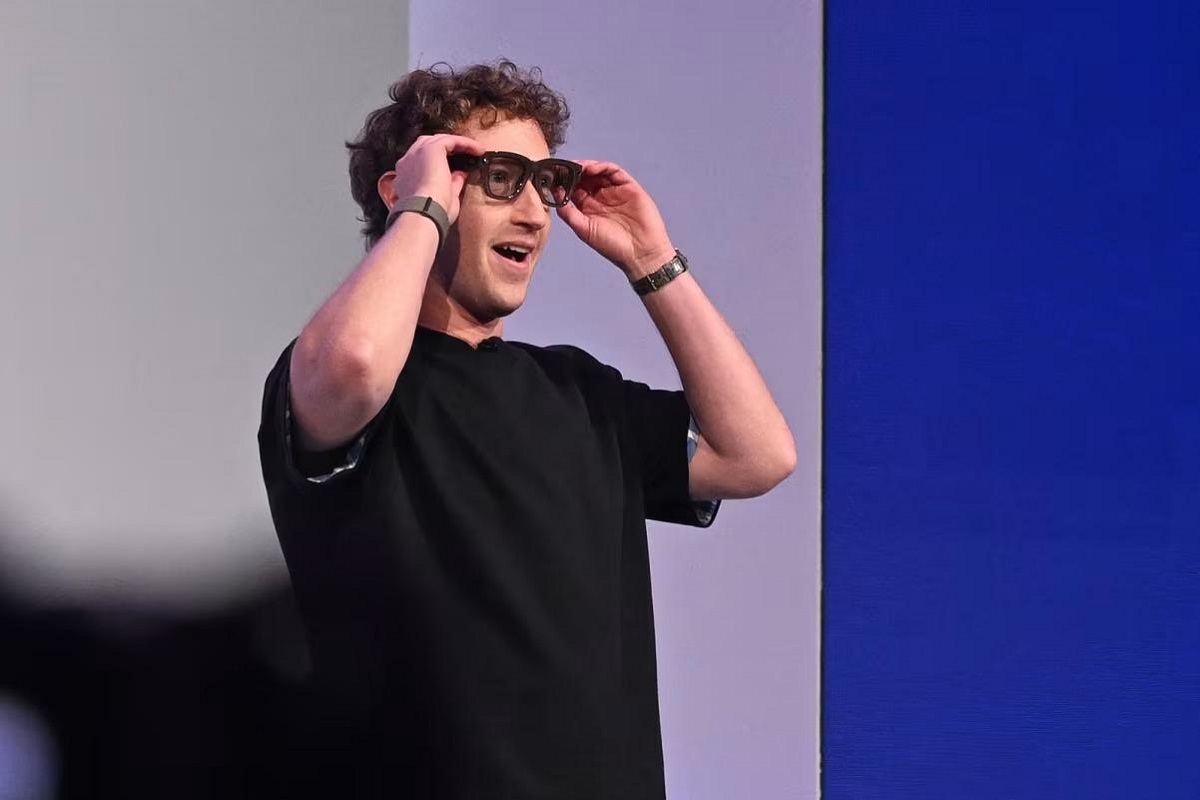
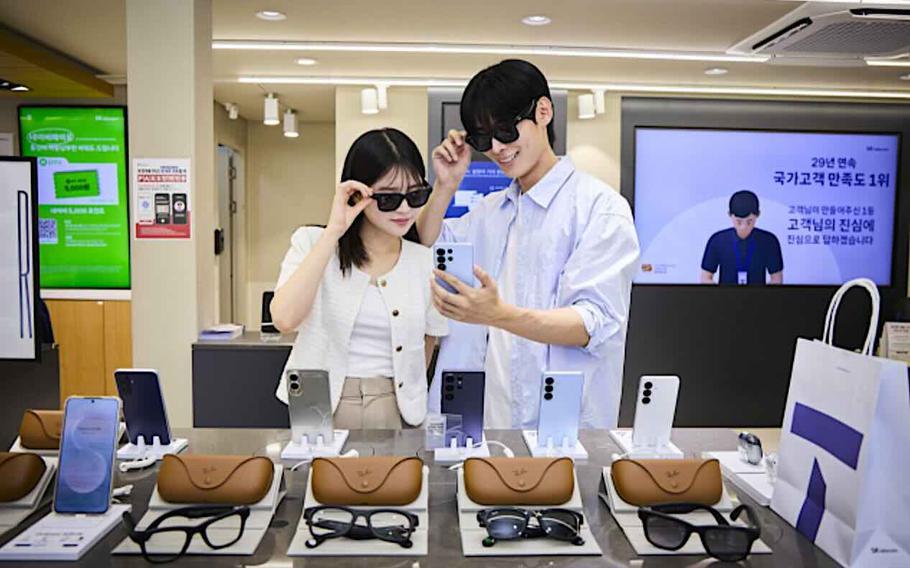
Smart glasses can incorporate cameras, microphones and access to artificial intelligence assistants into eyewear.
Their appearance presents a problem for examination supervisors who must distinguish connected devices from ordinary prescription glasses.
Students Switched Glasses After Initial Checks
The crackdown follows incidents during universities’ own admissions examinations in Seoul, separate from the national Suneung.
At Yonsei University, an applicant reportedly wore ordinary glasses before the mathematics essay examination and switched to AI glasses after it began.
Supervisors reported the incident, and the applicant admitted wearing the prohibited device.
A similar incident occurred at the University of Seoul on October 3. The applicant wore ordinary glasses during identity checks before changing them.
The university removed the candidate and imposed a three-year ban on taking its entrance examination.
That university penalty is separate from the proposed change to the national examination rules.
The Education Ministry is encouraging universities to strengthen their responses to smart glasses cheating in their own admissions tests.
Under the ministry’s plan, suspected offences could be referred for investigation under provisions covering obstruction of official duties by fraudulent means and interference with business.
A referral would initiate legal scrutiny rather than establish a student’s guilt.
READ ALSO:
Inspectors Will Check Eyewear At Every Test Centre
Authorities will assign a designated staff member to each of the country’s 1,312 Suneung examination centres to help identify smart glasses.
A response network linking test centres, regional education offices and national officials will handle cases that supervisors cannot readily resolve.
Smart glasses were added to the examination’s prohibited-items list in July. Current rules invalidate results and bar candidates from the following year’s examination if they wear or use the devices during the test.
Retaining prohibited devices instead of surrendering them before the first session can also invalidate results.
The ministry is assessing radio-signal detectors for possible deployment from next year, subject to tests of their practicality.
For this year’s examination, the announced measures centre on trained staff, eyewear checks and rapid consultation when a suspicious device is found.
Officials also pledged protection for teachers who carry out their supervisory duties diligently, recognising the difficulty of identifying increasingly discreet electronic devices.

Joy Onuorah is a business journalist and brand communications specialist covering financial markets, artificial intelligence, digital economy, and the ideas reshaping business across Africa and the global market. Beyond her reporting for TheWill, Joy uses brand strategy, storytelling, copywriting, and high-value SEO to help brands build lasting market authority.
