
-
FCT Minister Nyesom Wike has led Rivers lawmakers and the 23 local government council chairmen to another meeting with Governor Siminalayi Fubara, barely two weeks after an earlier reconciliation engagement.
-
The fresh talks brought together key figures on both sides of the prolonged Rivers political crisis, including Speaker Martin Amaewhule, as efforts intensify to rebuild relations and prevent renewed confrontation.
-
Despite the rapprochement, questions remain over political accommodation, with concerns that Wike’s allies dominate the Assembly and local government structures while members of Fubara’s camp risk being sidelined in emerging 2027 arrangements.
-
The renewed peace push follows years of executive-legislative confrontation, impeachment threats and political instability that eventually culminated in President Bola Tinubu’s declaration of emergency rule in Rivers State in March 2025.
October 19, (THEWILL) – Barely two weeks after an earlier reconciliation meeting, political leaders loyal to the Minister of the Federal Capital Territory (FCT), Nyesom Wike, have again met with Rivers State Governor, Siminalayi Fubara, in a fresh push to consolidate peace and end the prolonged political crisis in the state.
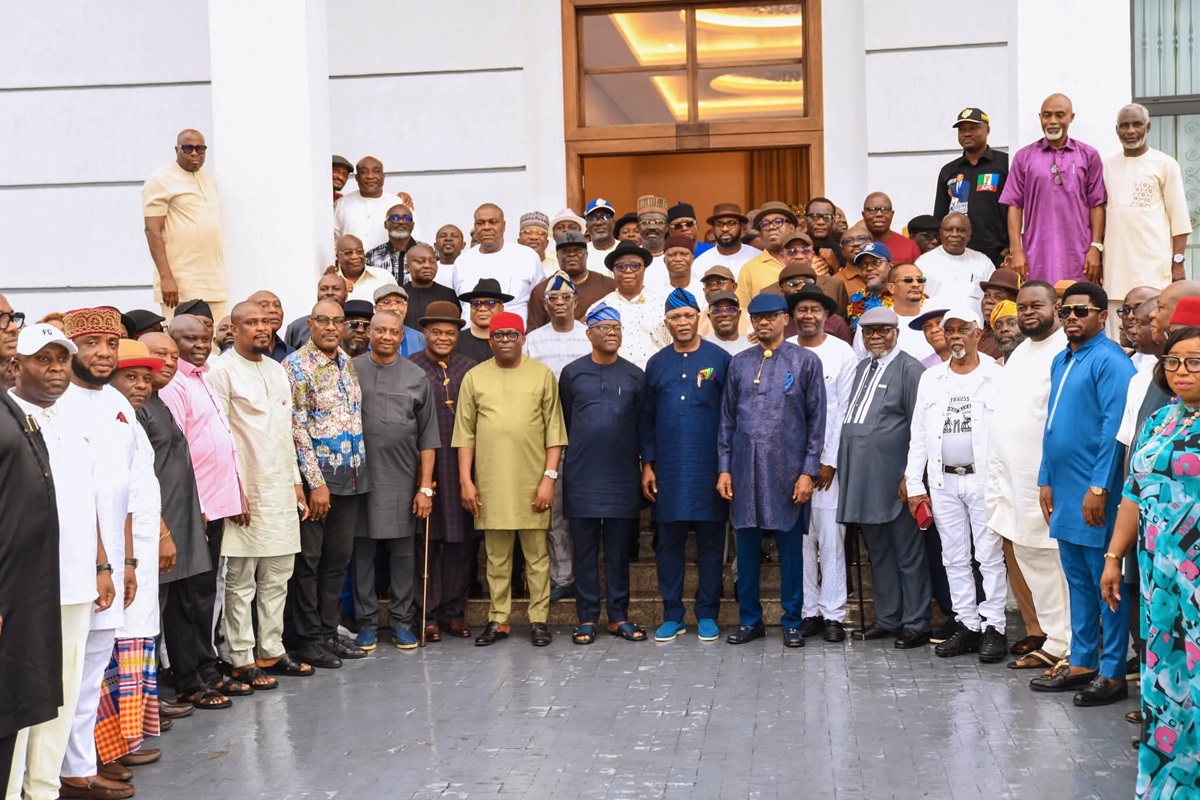
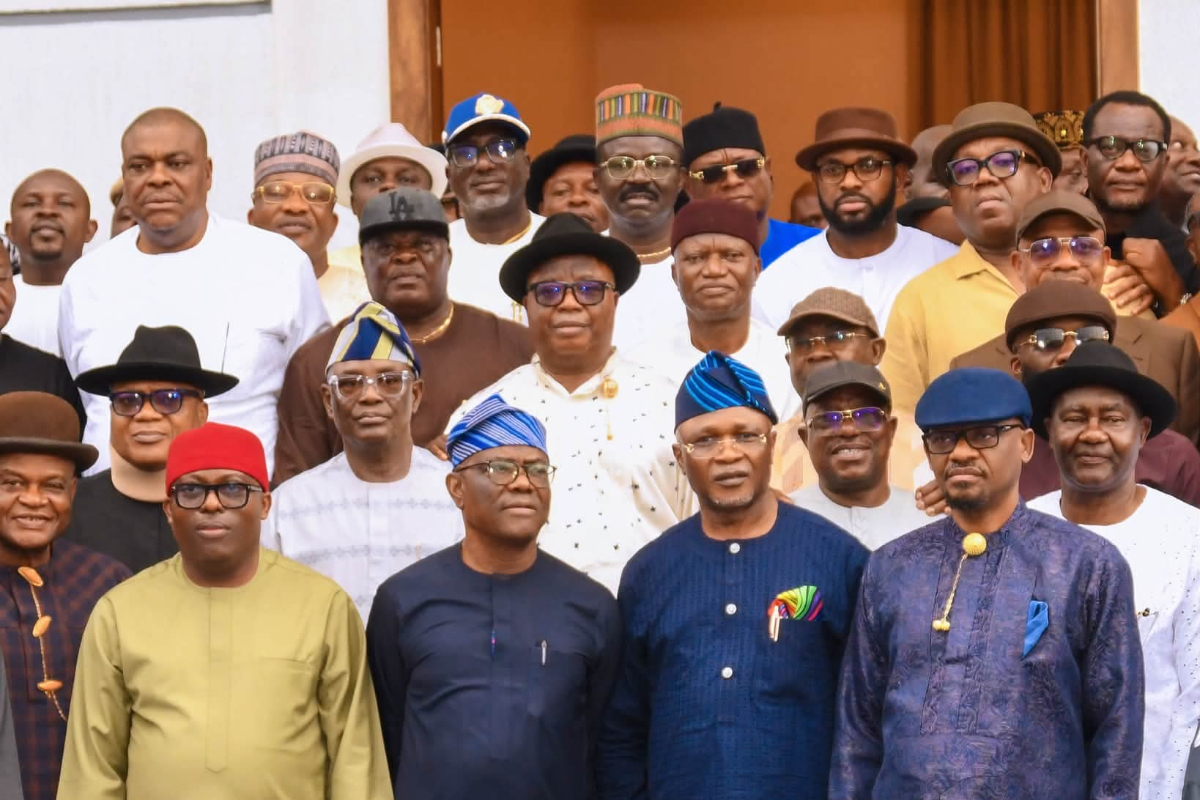
Wike led a delegation comprising members of the Rivers State House of Assembly, including the Speaker, Martin Amaewhule, and chairmen of the 23 local government councils, to the meeting with Fubara and his supporters at the governor’s private residence in Port Harcourt.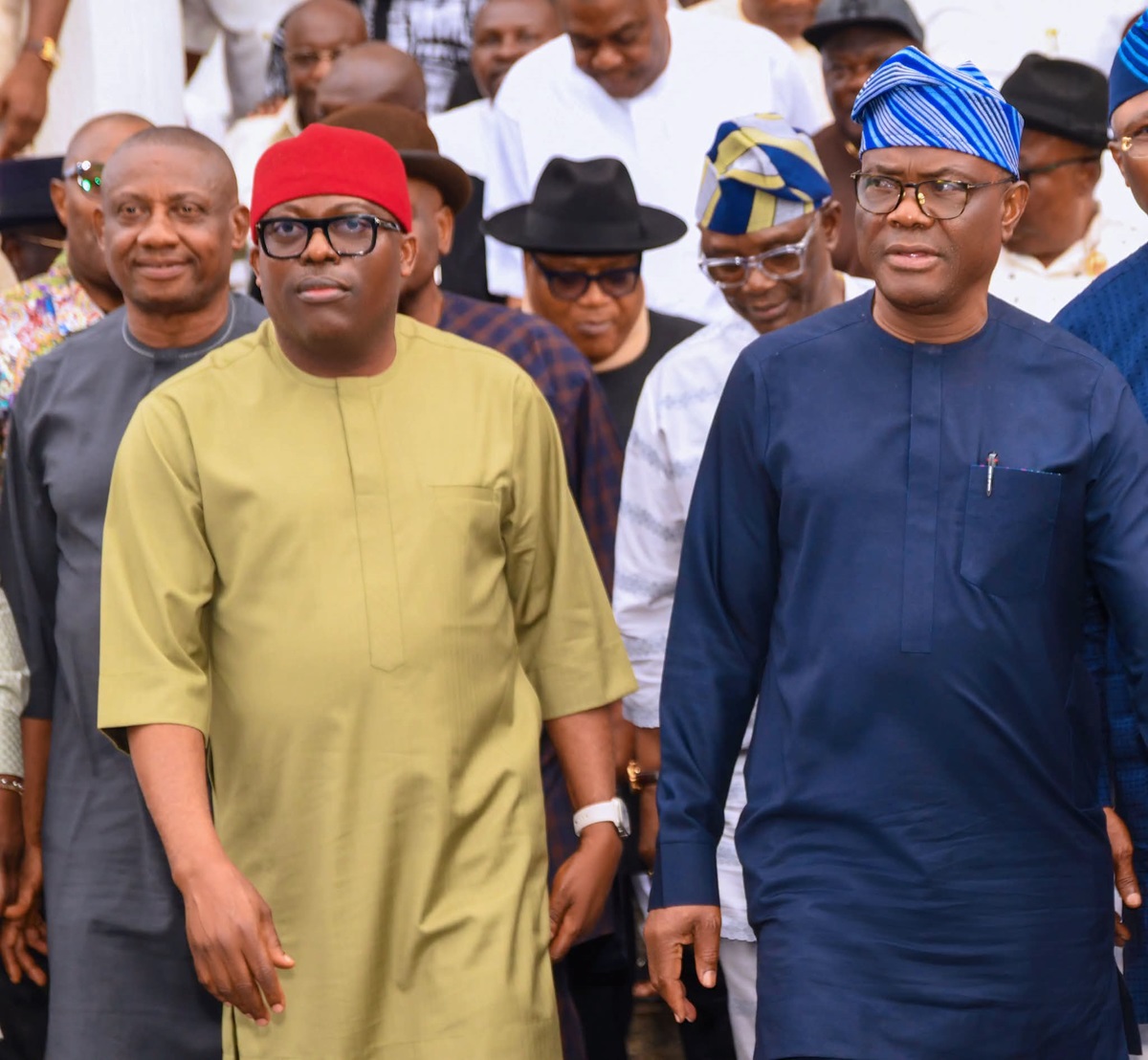
The latest engagement represents another significant step in attempts to rebuild relations between Fubara and the political establishment associated with his predecessor after years of bitter confrontation that divided the state government, legislature and political class.

Coming barely two weeks after an earlier meeting between the camps, the renewed talks suggest that the principal actors are seeking to sustain dialogue rather than allow the fragile reconciliation to collapse under unresolved political differences.
The participation of Amaewhule, other lawmakers and all 23 council chairmen is particularly significant, given the central roles the legislature and local government structures have played in the political struggle.
The Amaewhule-led Assembly was at the centre of repeated confrontations with Fubara, including moves towards his impeachment, while control of the local government system also became one of the major flashpoints in the crisis.
Their presence at the latest meeting, therefore, broadens the reconciliation beyond a personal rapprochement between Fubara and Wike and brings important political structures aligned with the FCT Minister directly into the peace process.
 However, despite the increasingly frequent meetings, major questions remain over whether the reconciliation will produce a durable political settlement, particularly as preparations and alignments intensify ahead of the 2027 general elections.
One of the unresolved concerns is the perceived dominance of Wike’s political camp in the leadership of the local government councils and other influential political structures across Rivers.
There are also concerns about how elective positions will be shared and candidates selected for the 2027 elections, with politicians associated with Fubara appearing to have limited representation in the emerging arrangements. How those competing interests are managed could ultimately determine whether the renewed peace process survives.
READ ALSO:
How Rivers Crisis Began
The political crisis dates back to 2023, months after Fubara succeeded Wike as governor.
Fubara had emerged as Wike’s preferred successor and assumed office in May 2023 with the backing of the political structure controlled by the former governor.
However, relations between the two men deteriorated within months, with their disagreement rapidly developing into a wider struggle involving the State House of Assembly, local government administration and competing political interests.
The confrontation burst into the open in October 2023 amid moves by lawmakers to commence impeachment proceedings against Fubara.
The crisis coincided with a fire that destroyed a section of the Rivers State House of Assembly complex, while the legislature subsequently became deeply divided.
Amaewhule and a majority of lawmakers remained politically aligned with Wike, setting the stage for a prolonged confrontation between the legislative and executive arms of the state government.
The dispute subsequently produced competing political structures, court cases and repeated impeachment threats, leaving Rivers in almost continuous political uncertainty.
President Bola Tinubu intervened in December 2023, bringing Fubara, Wike and other stakeholders together in Abuja in an attempt to broker peace.
Although the intervention temporarily lowered tensions, the agreement failed to permanently resolve the underlying disagreements, and hostilities subsequently resumed.
The confrontation later intensified around the administration of the local government councils and the legitimacy of political structures controlled by the opposing camps.
The political deadlock eventually culminated in President Tinubu’s declaration of a state of emergency in Rivers State in March 2025. The emergency proclamation resulted in the suspension of Fubara, his deputy and members of the State House of Assembly.
Felix Ifijeh is a journalist with years of professional reporting experience. Known for his keen news sense, compelling storytelling and commitment to accurate, impactful reporting, he has built a reputation for turning leads into clear, engaging, and well-structured reports that resonate with readers. His work reflects deep newsroom experience and a commitment to accurate, impactful journalism.
