
-
The House of Representatives Ad Hoc Committee investigating the controversial Presidential Foreign Intervention Promotion Council, PFIPC, has cleared the Chief of Staff to the President, Femi Gbajabiamila, of allegations that he authorised, established or participated in the activities of the purported government agency.
-
The committee said its preliminary investigation uncovered forged, fabricated or altered documents allegedly used to give the organisation the appearance of legitimacy, including a purported presidential Executive Order and a document presented as an Act of the National Assembly.
-
Lawmakers also found that a letter purportedly signed by Gbajabiamila appointing Prince Adeniyi Adeyemi as Director-General of the PFIPC was not issued by the Chief of Staff or the Presidency, with State House records showing that no such appointment was made or approved.
-
Beyond the alleged forgery, the investigation uncovered 58 bank accounts linked in preliminary financial records to Adeyemi and related entities, allegations involving about N400 million in payments and the unauthorised occupation of federal office accommodation by the purported organisation.
September 02, (THEWILL) — The House of Representatives Ad Hoc Committee investigating the controversial Presidential Foreign Intervention Promotion Council, PFIPC, has exonerated the Chief of Staff to the President, Femi Gbajabiamila, from allegations that he authorised, established or participated in the activities of the purported government agency.
The committee, chaired by Yusuf Adamu Gagdi, said its preliminary investigation showed that the organisation was not lawfully established by the Federal Government, while documents allegedly deployed to confer presidential and legislative legitimacy on it were found to be forged, fabricated or altered.
The findings effectively clear Gbajabiamila of one of the central allegations surrounding the PFIPC controversy, as the committee said it found no evidence linking the Chief of Staff to the establishment, operation or purported appointment of officials into the organisation. Rather, the lawmakers said documentary evidence before them showed that Gbajabiamila took steps to trigger investigations after concerns about the organisation were brought to his attention.

One of the documents examined by the committee was a purported letter appointing Prince Adeniyi Adeyemi as Director-General of the PFIPC.
The letter allegedly carried the authority and signature of Gbajabiamila and was presented as evidence that the Presidency had approved Adeyemi’s appointment. However, the committee said evidence obtained from the State House established that no such appointment was made or approved by the Presidency. It further found that Gbajabiamila neither issued nor signed the letter.
According to the committee, the letterhead used was not authentic State House letterhead, while the purported reference number did not conform to the official referencing system used by the Presidency.
The lawmakers also said the format, language and administrative features of the document departed materially from established State House correspondence.
The committee, therefore, made a preliminary finding that the purported appointment letter was fabricated and falsely attributed to the Presidency.
“The documentary evidence presently before the Committee does not establish that the Chief of Staff authorised, approved, established or participated in the activities of the purported organisation”, the committee stated, adding that rather than evidence of involvement, documents before it showed “repeated steps to secure investigation, institutional verification and appropriate administrative action.”
Gbajabiamila’s Intervention

The committee said the Nigerian Investment Promotion Commission (NIPC), had raised an alert over suspected fraudulent activities and the alleged misuse of institutional materials linked to the PFIPC.
According to the lawmakers, Gbajabiamila responded within one day by communicating with relevant security and investigative agencies, including the Nigeria Police Force, the Office of the National Security Adviser, the Department of State Services and the Economic and Financial Crimes Commission.
The Chief of Staff also allegedly initiated administrative verification through relevant government institutions.
The committee said further concerns later emerged over a proposed World Investment Summit associated with the purported organisation, prompting additional communications requesting investigation and appropriate action.
It consequently commended Gbajabiamila for the timely security and administrative interventions he undertook whenever the matter was formally brought to his attention.
Purported Executive Order Exposed
The investigation also uncovered a purported Presidential Executive Order No. 5, dated February 24, 2026, which was allegedly used to provide legal authority for the PFIPC.
The committee, however, said evidence available to it indicated that the document was neither issued nor approved through lawful presidential processes.
“The evidence presently available indicates that the document was not an authentic Executive Order of the President and was neither issued nor approved through the lawful processes of the Presidency,” the lawmakers stated.
The committee described the alleged fabrication of a presidential instrument as an exceptionally serious matter capable of undermining the authority and integrity of the Nigerian state.
The lawmakers also investigated another document presented as an Act of the National Assembly establishing the purported agency. Their preliminary finding was that the document had never been passed by both chambers of the National Assembly, assented to by the President or gazetted as an Act of the Federation.
More seriously, the committee said portions of a document relating to another institution appeared to have been electronically altered, mutilated or substituted to create the impression that Parliament had established the PFIPC.
The committee described the development as particularly grave, stressing that no individual, organisation or group could manufacture legislative authority by editing, mutilating, substituting or fabricating documents and presenting them as enactments of Parliament.
“The National Assembly cannot permit its legislative authority to be counterfeited”, the committee declared, adding that “the Presidency cannot be impersonated with impunity.”
The lawmakers further warned that “the identity, authority and instruments of the Federal Republic of Nigeria cannot be appropriated by any private individual or organisation for personal advantage.”
Fake State House Letter, Fictitious Official
The committee also uncovered a letter dated November 7, 2024, purportedly originating from the State House and addressed to the Accountant-General of the Federation.
The letter requested an administrative code for the PFIPC and was allegedly signed by one Akambi Adewale, described in the document as a Director of Administration and Support Services. However, the State House reportedly told the committee that the office represented in the document did not exist in the stated form.
The purported directorate also did not exist as represented, while no State House officer known as Akambi Adewale served in the claimed capacity.
The committee consequently made a preliminary finding that fictitious names, offices and official designations were deployed in a document allegedly calculated to mislead an important financial institution of the Federal Government.
The investigation has also exposed possible institutional lapses within government agencies.
The Office of the Accountant-General of the Federation reportedly confirmed that its response to the purported State House request was authentic, even though the originating request was allegedly forged.
However, the office acknowledged that its response ought not to have been released to Adeyemi or any other unauthorised person and should instead have been transmitted through a properly authenticated official channel.
The committee said it was investigating whether the incident resulted from negligence, failure to comply with verification requirements, breach of correspondence procedures, wilful disregard of due process or deliberate facilitation.
The Budget Office of the Federation is similarly under scrutiny over how the purported organisation gained recognition within the Federal Budget Framework despite allegedly lacking lawful status.
How Fake Agency Gained Government Presence
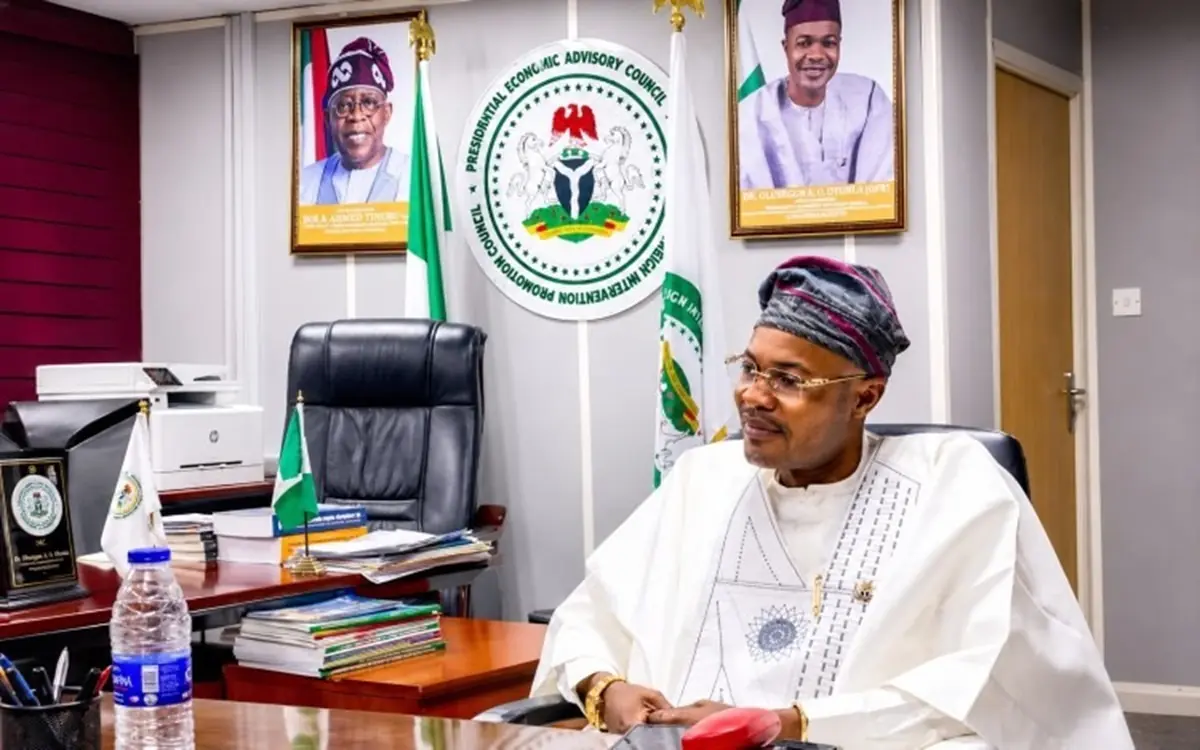
The committee further found that the purported organisation occupied office accommodation within the Federal Secretariat Complex without lawful allocation from the Office of the Head of the Civil Service of the Federation.
Evidence before the lawmakers indicated that part of accommodation earlier allocated to the Office of the Secretary to the Government of the Federation was subsequently made available to the purported organisation by certain officers without lawful authority.
The committee said the occupation of the facility was significant because it helped the organisation project itself to the public as a legitimate federal institution.
The investigation also revealed that approximately 39 people were allegedly presented as employees of the purported organisation.
The committee said it was examining their recruitment and appointment letters, identity cards, salaries and allowances, as well as allegations that some individuals may have been required to pay money as a condition for employment.
The lawmakers said they would distinguish between persons who were allegedly deceived into joining the organisation and those who knowingly participated in or benefited from activities under investigation.
READ ALSO:
58 Bank Accounts Linked To Network
Another major strand of the investigation concerns the financial network allegedly linked to Adeyemi, who also appeared in some records as Adeyemi Matthew.
The committee said preliminary financial information indicated that identifying details associated with Adeyemi were linked to approximately 58 bank accounts.
More than 30 of the accounts were apparently operated in the names of various agencies, companies, foundations or related entities.
The lawmakers listed several associated entities and said they were still reconciling registration records, account mandates, beneficial ownership information and transaction histories.
The committee, however, cautioned that it had not concluded that every account or entity identified was unlawful.
The investigation also uncovered an allegation involving approximately N400 million allegedly paid by a company to Adeyemi in four instalments.
The company told the committee that it was induced to make the payments after allegedly being promised a contract involving the renovation, furnishing or improvement of a residence purportedly allocated to Adeyemi in his claimed official capacity.
The committee said it was tracing the destinations of the payments, the account holders and beneficial owners, while also investigating the ownership and status of the property allegedly presented as an official residence.
It stressed that criminal guilt had not been established and that all persons affected by the investigation remained entitled to fair hearing and due process.
The committee said its preliminary evidence identified Adeyemi as the principal person associated with the representation and operation of the purported organisation and with a wider network of related entities. However, it emphasised that its findings remained preliminary and did not amount to a final determination of criminal guilt.
The lawmakers said the matter went beyond the alleged creation of a fake government agency, arguing that the alleged fabrication of presidential and legislative documents posed a direct threat to the integrity of Nigeria’s constitutional institutions.
Final Report To Determine Prosecution, Sanctions
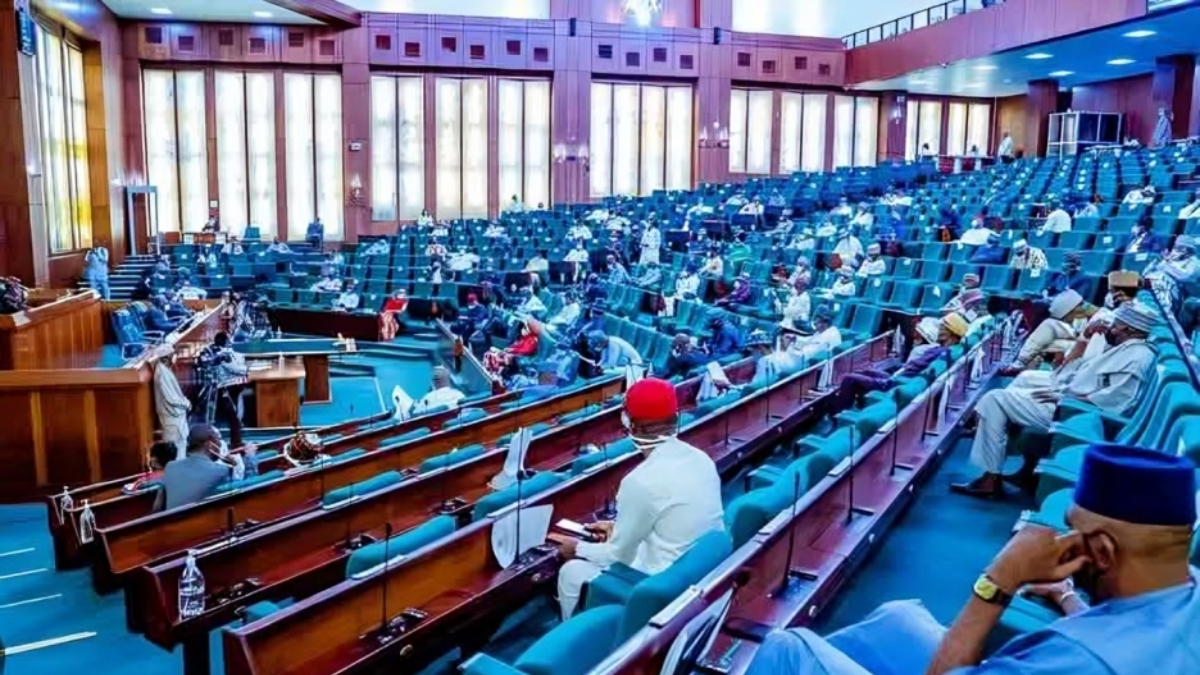
The committee recommended that relevant security and anti-corruption agencies conclude their investigations and prosecute any person against whom sufficient admissible evidence is established. It also called for the tracing, preservation, freezing and recovery of proceeds of any established unlawful activity, subject to the law and applicable judicial processes.
The committee said it would complete outstanding aspects of the investigation before submitting its final report to the House of Representatives.

Felix Ifijeh is a journalist with years of professional reporting experience. Known for his keen news sense, compelling storytelling and commitment to accurate, impactful reporting, he has built a reputation for turning leads into clear, engaging, and well-structured reports that resonate with readers. His work reflects deep newsroom experience and a commitment to accurate, impactful journalism.