
- NUPRC says gas flare site awardees could lose their awards if they fail to demonstrate significant progress within one year.
- The NUPRC boss said the gas flare commercialisation programme had continued to make progress despite initial resistance from some operators.
- Of 43 flare gas sites identified under the commercialisation programme, 27 have so far been awarded, with implementation ongoing.
- Minister of State for Petroleum Resources (Gas), Ekperikpe Ekpo, wants aggressive gas commercialisation to help Nigeria eliminate routine gas flaring by 2030.
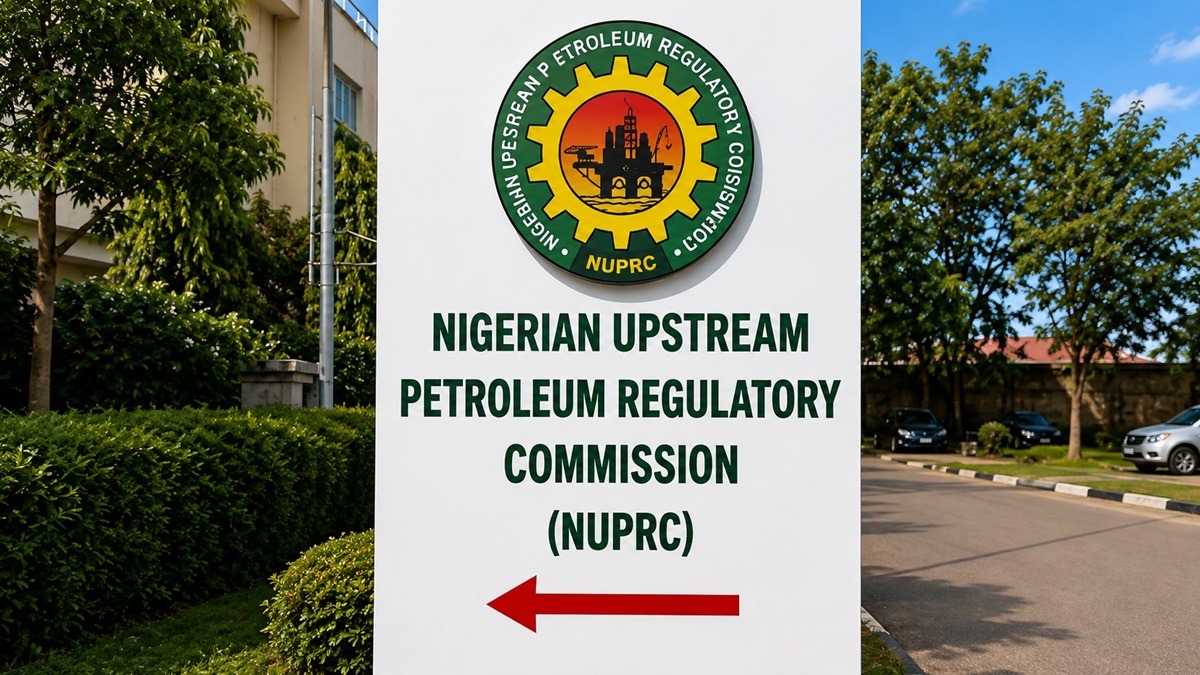
September 10 (THEWIILL) – The Nigerian Upstream Petroleum Regulatory Commission (NUPRC) has warned beneficiaries of gas flare sites that their awards could be revoked if they fail to make sufficient progress in utilising the sites.
The NUPRC’s Chief Executive, Oritsemeyiwa Eyesan, issued the warning during a visit to the Minister of State for Petroleum Resources (Gas), Ekperikpe Ekpo, in Abuja.
Giving an update on the Nigerian Gas Flare Commercialisation Programme (NGFCP), Eyesan said the NUPRC would evaluate the performance of awardees one year after an award is granted to determine whether meaningful progress had been achieved.

She said the commission would take appropriate regulatory action where progress was inadequate, including revocation of awards where necessary.
“One year after an award has been granted, the Commission conducts an evaluation to determine whether there has been considerable progress”, Eyesan stated.
READ ALSO:
- Tinubu’s Offshore Tax Order Targets $50bn Investment, 1mbpd Production Boost – NUPRC
- NGX Extends Losses as ASI Falls 1.05 Percent, Market Breadth Turns Bearish
27 Flare Sites Have Been Awarded
The NUPRC boss said the gas flare commercialisation programme had continued to make progress despite initial resistance from some operators.
According to her, 43 flare gas sites were originally identified for award under the programme, with 27 sites so far successfully awarded and implementation efforts ongoing.
The programme is designed to encourage the commercial utilisation of gas that would otherwise be flared, creating opportunities for investment while reducing the environmental impact of routine gas flaring.
Eyesan said Nigeria’s substantial gas resources provided a foundation for power generation, industrialisation, exports and broader economic development.
She disclosed that Nigeria currently has more than 215 trillion cubic feet (TCF) of proven gas reserves, while its estimated total gas resource base stands at about 600 TCF.
The regulatory push comes as the government seeks to increase the economic value derived from Nigeria’s gas resources and reduce the waste associated with flaring.
Government Targets End To Routine Gas Flaring
Ekpo called for deliberate and aggressive implementation of the country’s gas commercialisation programme, saying it was essential to achieving Nigeria’s target of eliminating routine gas flaring by 2030.
He said Nigeria should focus on converting its gas resources into useful products and services rather than allowing them to contribute to environmental pollution.
“The core objective is to add value to our gas resources by converting them into critical products and services. We must move away from environmental pollution and toward productive resource utilisation”, the minister said.
The NUPRC also highlighted progress in implementing the Host Community Development Trust framework established under the Petroleum Industry Act (PIA).
Eyesan said the framework was designed to address longstanding concerns in oil-producing communities and promote sustainable development through petroleum resources.
She said 173 Host Community Development Trusts had been incorporated and 147 funded, with more than 1,001 projects ongoing and over 200 already commissioned across host communities.
According to the CCE, available data indicated that implementation of the trusts had contributed to reductions in oil theft and oil spills while improving relationships between operators and host communities.
The developments form part of wider efforts to improve the efficiency and sustainability of Nigeria’s petroleum industry.
For the gas flare commercialisation programme, however, the immediate focus will be on ensuring that awarded sites translate into actual projects.
With the commission now tying continued ownership of flare-site awards to measurable progress, companies that fail to move from award to implementation could face losing their opportunities to commercialise the gas.

Ogochukwu Onwaeze is a writer specializing in business and economic journalism. At THEWILL News Media, she translates market trends, financial developments, and policy shifts into clear and engaging stories.