
-
Nigeria’s real GDP growth accelerated to 4.43 per cent in Q2 2026, up from 3.89 percent in Q1 and 4.23 percent in Q2 2025.
-
Agriculture and services strengthened during the quarter, while industrial growth slowed sharply to 3.96 percent from 7.46 percent a year earlier.
-
Higher oil output and stronger non-oil activity supported the expansion, as global institutions maintain differing views on Nigeria’s 2026 growth outlook.
August 31, (THEWILL) — Nigeria’s Gross Domestic Product (GDP) grew by 4.43 percent year-on-year in real terms in the second quarter of 2026, accelerating from 3.89 percent in the first quarter and slightly above the 4.23 percent recorded in Q2 2025, according to the National Bureau of Statistics (NBS).
The latest growth rate represents a 0.20 percentage-point improvement from the corresponding quarter of 2025 and marks a stronger pace of economic expansion after growth moderated to 3.89 percent in Q1 2026.
The performance was supported by stronger activity in agriculture and services, as well as improved oil-sector output, although industrial growth slowed significantly compared with the same period last year.

Agriculture, Services Drive Growth as Industry Slows
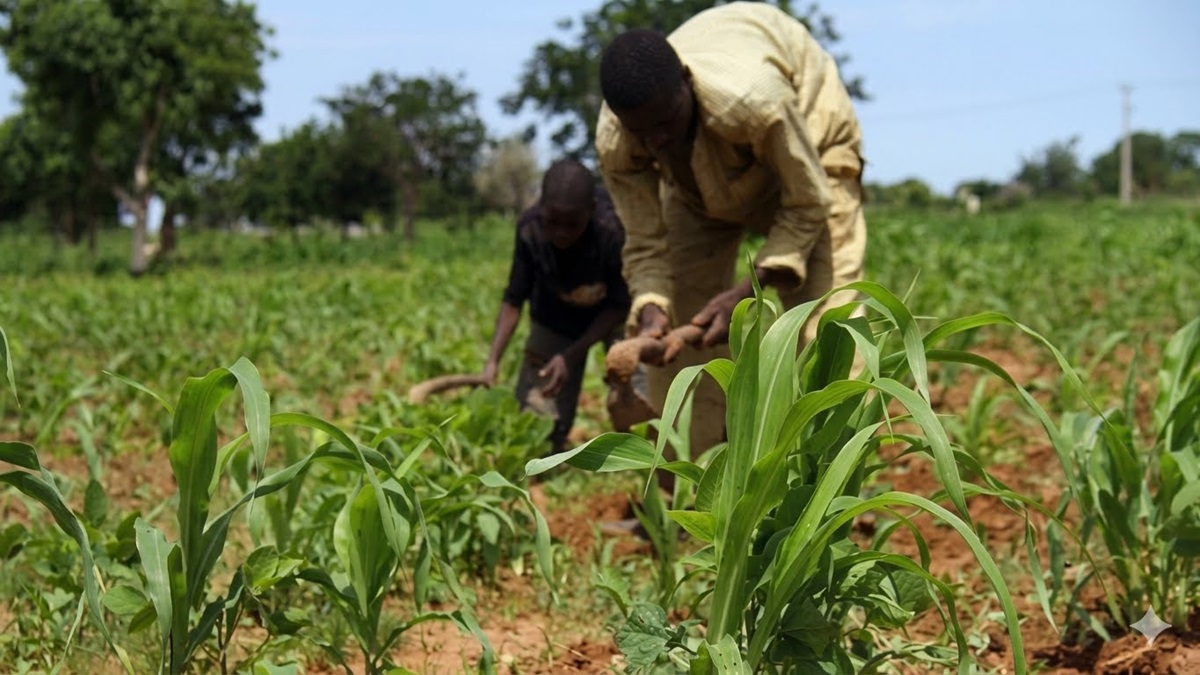
Agriculture grew by 4.39 percent in Q2 2026, up from 2.82 percent in Q2 2025 and 3.15 percent in Q1 2026.
The services sector remained the strongest-growing major sector, expanding by 4.60 percent, compared with 3.94 percent in the corresponding quarter of 2025. Telecommunications, financial services, real estate and trade were among the activities supporting the sector’s performance.
Industry, however, recorded a markedly weaker performance, growing by 3.96 percent compared with 7.46 percent in Q2 2025.
The contrasting performances point to an uneven recovery, with stronger activity in agriculture and services helping to offset the slowdown in industrial output.
The oil sector also recorded a significant improvement during the quarter. Average daily crude oil production increased to 1.72 million barrels per day, from 1.55 million barrels per day in Q1 2026. Oil-sector growth accelerated to 7.31 percent year-on-year, while the non-oil sector expanded by 4.31 percent.
The non-oil economy continued to dominate Nigeria’s output, accounting for 95.84 percent of real GDP during the quarter.
In nominal terms, Nigeria’s GDP stood at ₦119.29 trillion in Q2 2026, up 18.43 per cent from ₦100.73 trillion in the corresponding quarter of 2025.
READ ALSO:
Mixed Outlook for Nigeria’s Growth
The latest GDP performance comes amid differing assessments of Nigeria’s economic outlook.
The International Monetary Fund had earlier cut its 2026 growth forecast for Nigeria to 4.1 percent from 4.4 percent, citing global and domestic pressures, while the World Bank subsequently upgraded its 2026 projection to 4.4 percent from 3.7 percent.
The Q2 performance is therefore stronger than the IMF’s current full-year forecast and broadly in line with the World Bank’s outlook. However, quarterly growth cannot be directly extrapolated into a full-year result.
Nigeria’s economy recorded 3.87 percent growth in 2025, up from 3.38 percent in 2024, according to the latest official data. The Q2 acceleration suggests that the recovery is gaining momentum, but the weakness in industry remains a key concern.
For policymakers, sustaining the gains in agriculture, services and oil production while strengthening industrial activity will be critical to making economic growth broader and more durable.

Ogochukwu Onwaeze is a writer specializing in business and economic journalism. At THEWILL News Media, she translates market trends, financial developments, and policy shifts into clear and engaging stories.