
-
Foreign exchange transactions declined by $1.90bn in the week ended November 6, from $3.71bn recorded a week earlier.
-
Average daily spot turnover dropped to $357.23m, while forward transactions fell by nearly 70 percent.
-
Analysts expect relative naira stability, supported by foreign reserves and a current account surplus, as the market anticipates N923.10bn in Treasury bills and OMO maturities.
November 10, (THEWILL) – Nigeria’s foreign exchange market recorded a sharp decline in dollar transactions in the week ended November 6, with turnover falling by 51.29 percent to $1.81bn from $3.71bn a week earlier.
The $1.90bn contraction in weekly trading value coincided with a marginal depreciation of the naira, highlighting the slowdown in activity across the official market.
Data from FMDQ, which tracks transactions between authorised dealers and their customers, showed that average daily FX turnover dropped to $361.67m from $742.51m in the preceding week.

The latest decline was steeper than the 46.57 percent weekly contraction recorded in July, when turnover fell to $1.63bn.
Spot transactions account for bulk of turnover
Spot transactions continued to dominate activity in the market, accounting for 98.77 percent of total FX turnover during the week, compared with 98.01 percent in the previous week.
Average daily spot transactions fell to $357.23m from $727.74m, reflecting a significant slowdown in immediate dollar trading.
The derivatives segment, which accounted for the remaining 1.23 percent of turnover, also recorded weaker activity. Its share had stood at 1.99 percent a week earlier.
Forward transactions declined by 69.93 percent to $22.20m from $73.83m, while average daily forward turnover dropped to $4.44m from $14.77m.
The decline indicates reduced trading in contracts for future currency delivery. However, weekly forward turnover measures new transactions during the period and does not represent the total value of outstanding forward positions.
READ ALSO:
Naira weakens across forward maturities
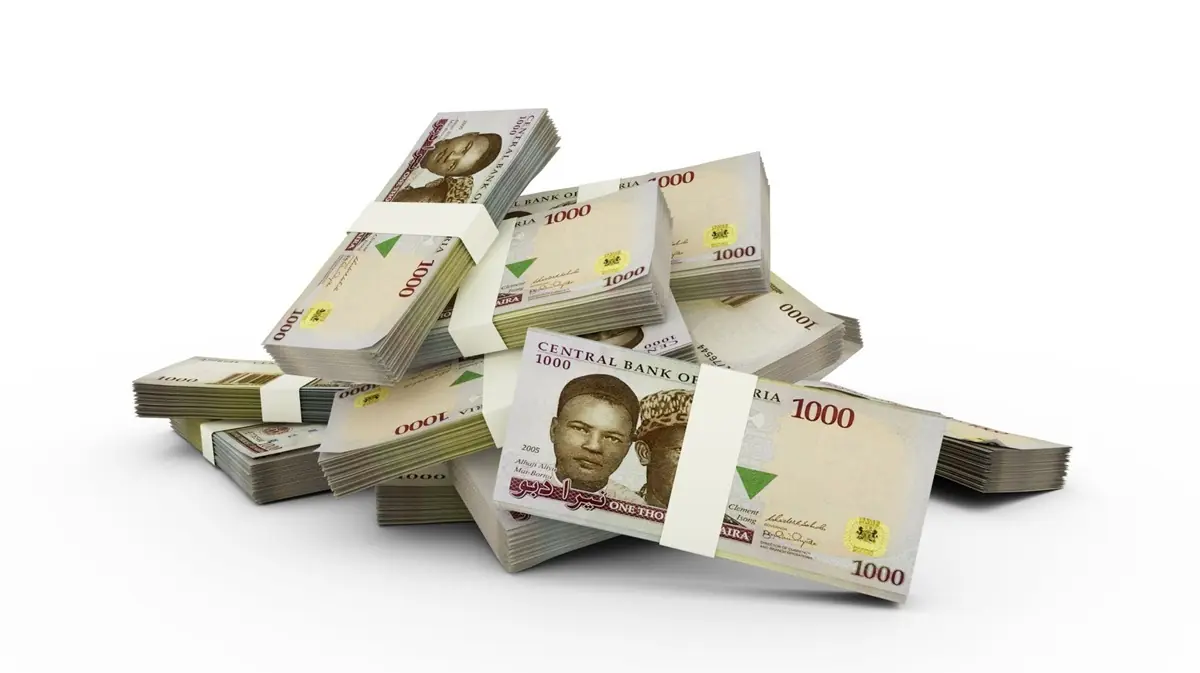
The naira recorded depreciation across all reported forward maturities, with the one-year contract registering the largest movement.
The one-month forward rate depreciated by 0.2 percent to N1,370.19 per dollar, while the three-month rate weakened by the same margin to N1,405.78.
The six-month forward rate depreciated by 0.2 percent to N1,455.88, while the one-year rate weakened by 0.6 percent to N1,557.65 per dollar.
The one-year contract therefore recorded the largest percentage movement among the reported tenors.
Forward rates reflect pricing for future currency delivery and are distinct from the prevailing spot exchange rate. Their movements do not, on their own, establish the direction of future spot-market movements.
Liquidity inflows may influence market activity
Despite the decline in turnover and the marginal depreciation of the naira, analysts expect the currency to remain relatively stable in the near term, supported by foreign exchange reserves and Nigeria’s current account surplus.
The domestic financial market is also expected to receive N148.57bn from Treasury bills maturities and N774.53bn from Open Market Operations maturities during the week.
The combined N923.10bn inflow could influence liquidity conditions and investors’ demand for foreign exchange, depending on how the funds are deployed or reinvested.
The extent to which the maturities translate into additional demand for dollars will depend on investors’ portfolio decisions and prevailing market conditions.
The latest turnover figures highlight a sharp reduction in FX market activity, although the implications for the naira will depend on the balance between dollar supply, demand, and broader liquidity conditions.

Ogochukwu Onwaeze is a writer specializing in business and economic journalism. At THEWILL News Media, she translates market trends, financial developments, and policy shifts into clear and engaging stories.
