
-
The naira appreciated to N1,346.79 per dollar on November 6, 2026, from N1,436.74 a year earlier.
-
Nigeria’s foreign exchange reserves stood at $55.133bn as of November 5, providing a buffer against external payment pressures.
-
CBN Governor Olayemi Cardoso says the naira’s value should reflect economic fundamentals rather than artificial support.
November 09, (THEWILL) – The naira appreciated by 6.26 percent against the United States dollar over the 12 months to November 6, 2026, as Nigeria’s foreign exchange reserves remained above $55bn.
The currency strengthened to N1,346.79 per dollar on November 6, compared with N1,436.74 recorded on the corresponding date in 2025, representing a gain of N89.95 against the dollar.
The improvement reflects a recovery in the naira’s value over the period, although the extent to which it will ease foreign exchange costs for businesses and consumers will depend on the sustainability of the appreciation and movements in import prices.

A stronger naira could reduce the domestic currency cost of importing raw materials, machinery, pharmaceuticals and other goods priced in foreign currencies. It could also lower the naira value of foreign currency obligations owed by businesses.
However, the benefits may not immediately translate into lower consumer prices, particularly where importers are still carrying inventories purchased at earlier exchange rates or facing other increases in operating costs.
Cardoso backs market-driven exchange rate
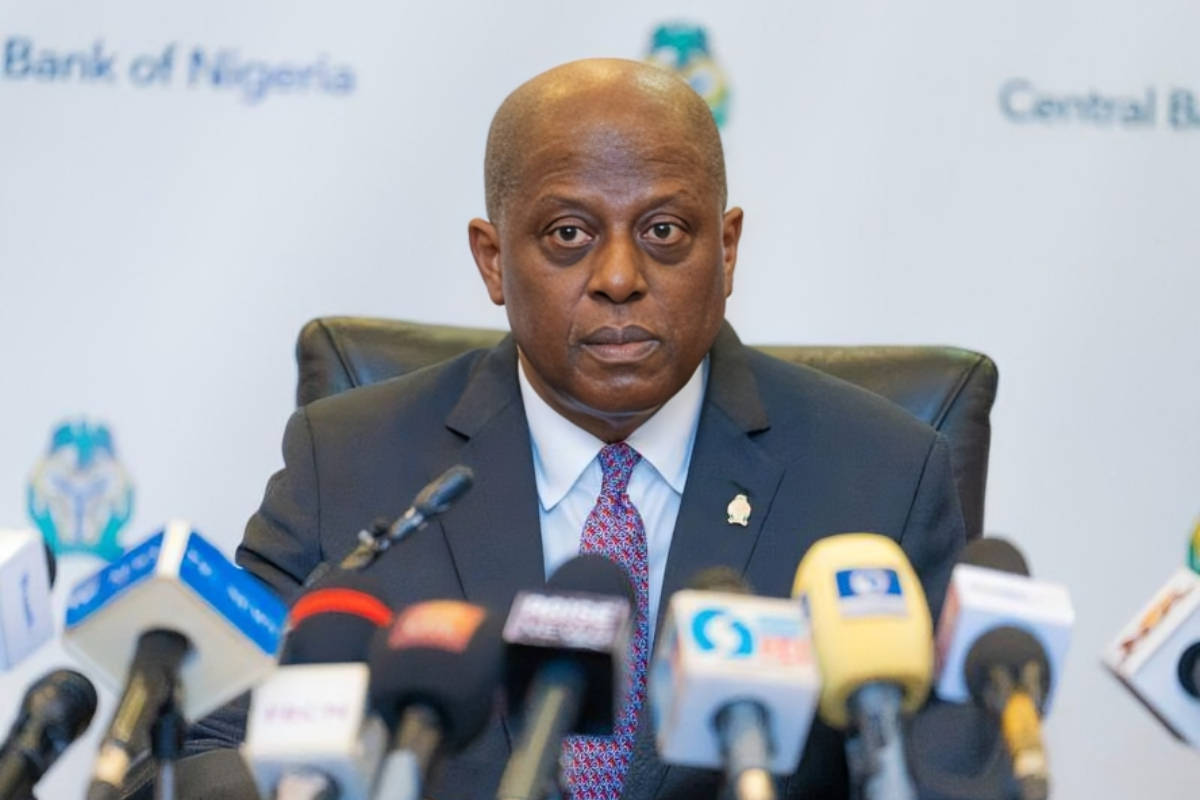
The naira’s appreciation comes amid the Central Bank of Nigeria’s efforts to improve foreign exchange market liquidity, increase transparency and strengthen confidence in the currency.
CBN Governor Olayemi Cardoso said in July 2026 that the apex bank remained committed to a market-driven exchange rate, arguing that the naira should be competitive rather than artificially supported.
Speaking in Abuja, Cardoso said the bank wanted an exchange rate market based on transparency, liquidity, and transactions between willing buyers and willing sellers.
“Our view is one of continuing on the path that we have embarked on, and that is to ensure that we have a market that is transparent, that is liquid, and one that has willing buyer, willing seller,” he said.
He added that Nigeria needed a competitive currency whose value reflected economic fundamentals, including stronger oil and non-oil exports, increased foreign direct investment, improved domestic productivity and reduced import dependence.
Cardoso also said the foreign exchange market had recorded daily turnover exceeding $1bn on some occasions, describing the development as evidence of a functioning and transparent market.
The CBN governor’s position suggests that sustained currency stability would depend not only on foreign exchange interventions but also on improvements in the country’s export earnings, investment inflows and domestic production capacity.
READ ALSO:
Foreign reserves remain above $55bn
 Meanwhile, Nigeria’s foreign exchange reserves stood at $55.133bn as of November 5, 2026, providing an important measure of the country’s external liquidity position.
The reserves represent foreign assets available to meet external payment obligations and support confidence in the country’s ability to withstand pressure on its balance of payments.
A stronger reserve position can also improve investor confidence by providing a buffer against external shocks, although the capacity to sustain currency stability depends on the sources of reserve accretion, foreign exchange demand and the country’s external obligations.
For investors and businesses, the combination of a stronger naira and reserves above $55bn offers a more favourable external position than the weaker exchange rate recorded a year earlier.
However, maintaining the gains will require sustained foreign exchange inflows, stronger export performance and continued improvement in domestic productivity.

Ogochukwu Onwaeze is a writer specializing in business and economic journalism. At THEWILL News Media, she translates market trends, financial developments, and policy shifts into clear and engaging stories.
