
-
Nigeria suffered a damaging 3-0 defeat to Guinea-Bissau in their AFCON 2027 qualifier, with Franculino, Mama Baldé and Álvaro Djaló finding the net as the Super Eagles struggled to respond.
-
The defeat puts Nigeria under early pressure in Group L, coming just days after the Super Eagles opened their qualifying campaign with a 2-1 victory over Madagascar.
-
Guinea-Bissau dominated key periods of the contest, repeatedly exposing gaps in Nigeria’s defence and preventing Eric Chelle’s side from establishing sustained attacking momentum.
-
The result revives familiar concerns over Nigeria’s qualification campaigns, with the Super Eagles now needing a strong response in their upcoming fixtures to avoid another difficult race for AFCON qualification.
September 30, (THEWILL) – Nigeria’s Africa Cup of Nations 2027 qualification campaign has suddenly taken an uncomfortable turn.
Four days after recovering from a goal down to beat Madagascar 2-1 in Uyo, the Super Eagles were brought crashing back to earth in Bissau, suffering a damaging 3-0 defeat to Guinea-Bissau in their second Group L fixture.
Franculino Djú opened the scoring in the 15th minute before captain Mama Baldé doubled Guinea-Bissau’s advantage in the 66th minute. Álvaro Djaló then completed a miserable night for Eric Chelle’s side with a stoppage-time strike.

The defeat leaves Nigeria with three points from their opening two matches, while Guinea-Bissau have now won both of their games and moved into a commanding early position in the race for the group’s only available qualification place.
With Tanzania already guaranteed a place at AFCON 2027 as one of the tournament’s co-hosts, Nigeria, Guinea-Bissau and Madagascar are effectively competing for one remaining ticket from Group L. That makes every dropped point significantly more expensive.
A Promising Start Quickly Turns Into Another Warning
Nigeria entered the Guinea-Bissau fixture with confidence after their opening-day comeback against Madagascar.
That victory had appeared to provide Chelle with the perfect start to his AFCON 2027 campaign. Madagascar had taken the lead through Ehsan Kari, but George Ilenikhena equalised before half-time before substitute Moses Usor completed the turnaround in the second half.
The performance was not perfect, but the three points mattered.
Against Guinea-Bissau, however, the Super Eagles were unable to produce another recovery.
The hosts started aggressively and put Nigeria under pressure from the opening stages.
Franculino eventually broke the deadlock in the 15th minute, giving Guinea-Bissau the reward their early pressure had threatened to produce.
Nigeria had opportunities to respond but struggled to turn possession into clear-cut chances.
Instead of growing into the contest, the Super Eagles gradually found themselves chasing a game that Guinea-Bissau were increasingly comfortable controlling.
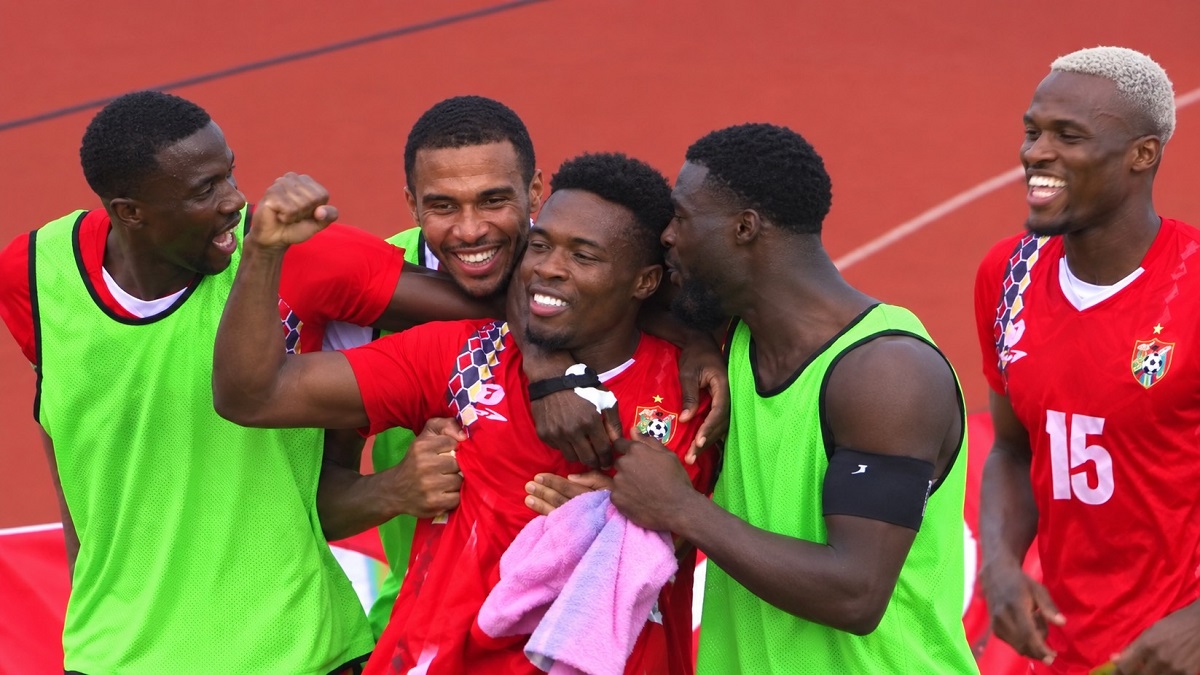
Guinea-Bissau Have Become Nigeria’s Early Problem
The result is not an isolated surprise.
Guinea-Bissau had already announced their intentions on the opening matchday, defeating co-hosts Tanzania 2-0 away from home.
Franculino scored in that game too, while Baldé added the second goal as the Djurtus secured an important victory.
CAF noted after the opening round that Guinea-Bissau’s win had put them ahead of Nigeria on goal difference at the top of Group L.
They have now followed that result with an even more impressive victory over Nigeria.
Two matches, two wins, five goals scored and none conceded.
For a Nigeria side expected to be one of the strongest teams in the group, that is an early warning that cannot be ignored.
READ ALSO:
The Familiar Nigerian Problem: Making Qualification Difficult
The biggest concern for Nigeria is not that they have lost one match.
It is how quickly the margin for error has disappeared.
The Super Eagles began the campaign knowing that only the highest-ranked non-host team in Group L would qualify automatically.
Tanzania’s co-host status means that Nigeria cannot simply rely on the usual group-stage calculation of finishing among the qualifying positions. That makes consistency essential.
Nigeria now have three points from two matches, while Guinea-Bissau have six.
There is still plenty of football to play, but the Super Eagles have already surrendered the opportunity to control their own destiny comfortably.
That will inevitably revive familiar memories of Nigeria’s recent struggles in qualification campaigns.
The Super Eagles have repeatedly found themselves needing to recover ground after dropping points in matches they were expected to win.
The danger is not necessarily failure to qualify; it is allowing a manageable qualification campaign to become a pressure-filled chase.
The Guinea-Bissau defeat has done exactly that.

Playing Without Osimhen Exposes Another Concern
Nigeria’s attacking problems in Bissau also raise questions about how dependent the team remains on Victor Osimhen.
The Galatasaray striker missed both opening AFCON 2027 qualifiers after suffering an injury, leaving Chelle without arguably the team’s most established attacking reference point. CAF confirmed before the qualifiers that Osimhen would miss the matches against Madagascar and Guinea-Bissau.
Against Madagascar, Nigeria managed to overcome his absence. Against Guinea-Bissau, they could not.
Ademola Lookman, Akor Adams, Moses Simon and other attacking options were unable to provide the cutting edge required to turn promising moments into goals.
The problem goes beyond simply missing one player.
A team with Nigeria’s attacking resources should be capable of producing goals even when its leading striker is unavailable.
The Guinea-Bissau defeat instead exposed how difficult it can become for the Super Eagles when their attacking structure fails to function.
Osimhen’s eventual return may strengthen the side, but relying on his presence to solve every attacking problem would only postpone the underlying question.
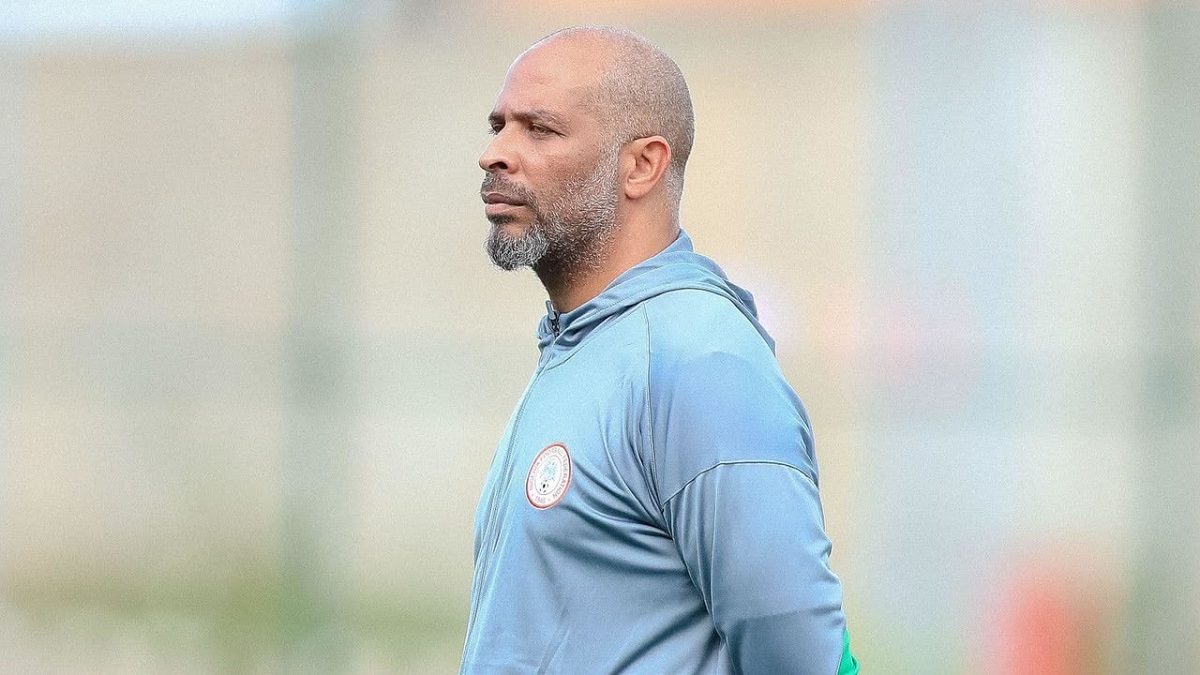
Eric Chelle Now Has Questions to Answer
For Chelle, the defeat represents his first major setback of this qualifying campaign.
The Nigerian coach will now have to explain why his side struggled to impose themselves against a Guinea-Bissau team that had already shown its quality by defeating Tanzania.
The issue was not simply the final score.
Nigeria struggled to sustain attacks, failed to respond after conceding and ultimately allowed Guinea-Bissau to grow increasingly confident.
Chelle attempted to change the attacking dynamic as the match progressed, but Nigeria could not find a way back.
The late introduction of additional attacking options produced little reward, and Djaló’s stoppage-time goal turned a bad defeat into a humiliating one.
That means the response in the next international window will be almost as important as the defeat itself.
The Qualification Race Has Changed
Nigeria have not been eliminated from AFCON 2027. That point is important.
There are still matches remaining, and the Super Eagles have enough quality to recover from a poor result. But the situation has undeniably changed.
Guinea-Bissau have six points from two games and have established themselves as the early team to beat. Nigeria, meanwhile, have three points and a significantly worse goal difference after conceding three goals without reply.
The Super Eagles now need results rather than simply performances.
They also need to start winning against the teams directly competing with them for the qualification place. That is where the pressure will increase.
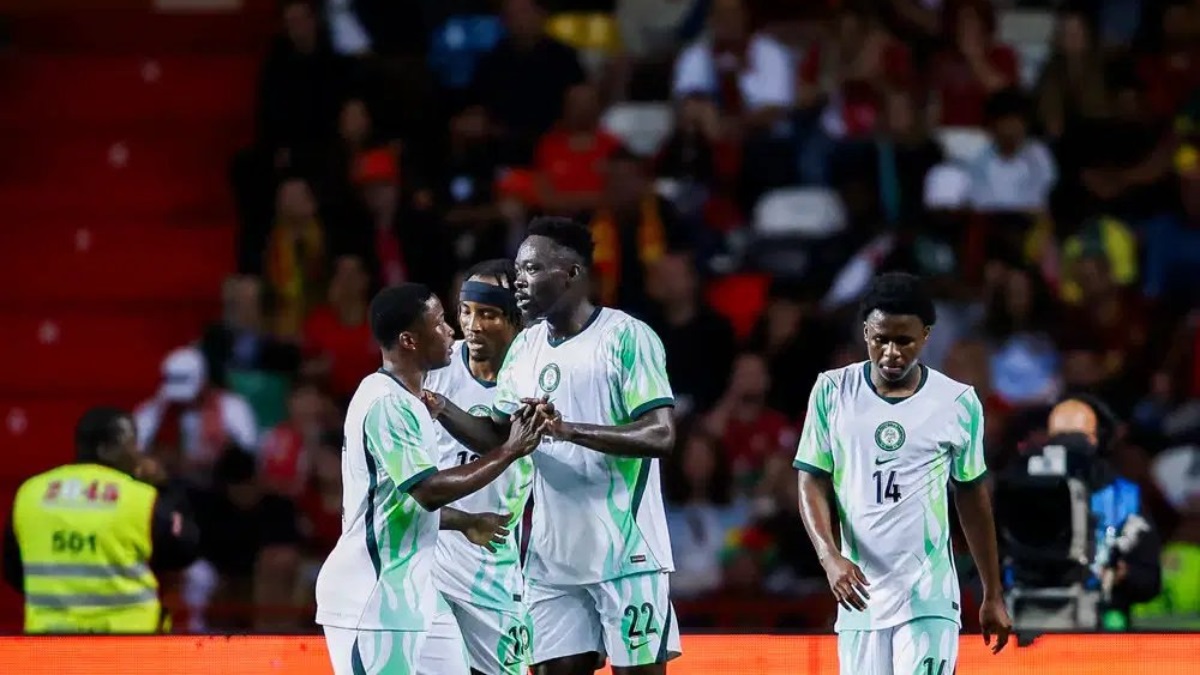
Nigeria Cannot Afford Another Slip
The danger for Nigeria is allowing one bad night to become a pattern.
The 2-1 victory over Madagascar showed that the Super Eagles can recover from adversity.
The 3-0 defeat in Bissau, however, showed that there are still serious questions about their consistency, attacking effectiveness and ability to control difficult away matches.
The response must therefore be immediate.
Nigeria have enough experience and individual quality to recover, but qualification campaigns are rarely decided by reputation.
They are decided by points. And Guinea-Bissau have already collected all six available from their opening two matches.
For Nigeria, the message from Bissau is straightforward: the AFCON 2027 qualification campaign is far from over, but the Super Eagles have already used up much of the breathing room they created with their opening-day victory.
If Chelle’s side wants to avoid another qualification campaign dominated by pressure and uncertainty, the next opportunity to respond cannot be wasted.
Nigeria have not lost their chance to reach AFCON 2027.
But after a 3-0 defeat that exposed familiar weaknesses, they have certainly made the road to the tournament much harder than it needed to be.

Olumide Atiba is a sports journalist with THEWILL, known for his keen news sense and compelling storytelling. He has built a reputation for turning leads into clear, well-structured reports that resonate with readers, with a strong focus on football coverage