
-
Nepal’s flood death toll has risen to 547, while more than 1,300 people remain unaccounted for following the devastating flash floods that swept through Nepal and neighbouring Tibet.
-
Rescue teams have resumed operations after initial fears of another major deluge eased, with heavy machinery deployed to clear tonnes of mud and debris from devastated communities.
-
A large number of tourists are among those missing, intensifying concerns over the fate of foreign nationals caught along the major Kathmandu-Lhasa route.
-
Authorities remain on alert over unstable debris and water accumulation that could trigger further flooding in already devastated areas.
August 28, (THEWILL) — The death toll from devastating flash floods that swept through parts of Nepal and neighbouring Tibet has risen to 547, while more than 1,300 people remain unaccounted for, as rescue operations intensify across the disaster zone.
The latest figures represent a sharp increase from the earlier toll of 469 announced by Nepalese authorities, underscoring the scale of the catastrophe as rescue workers continue digging through mud, rocks and debris in search of survivors and bodies.
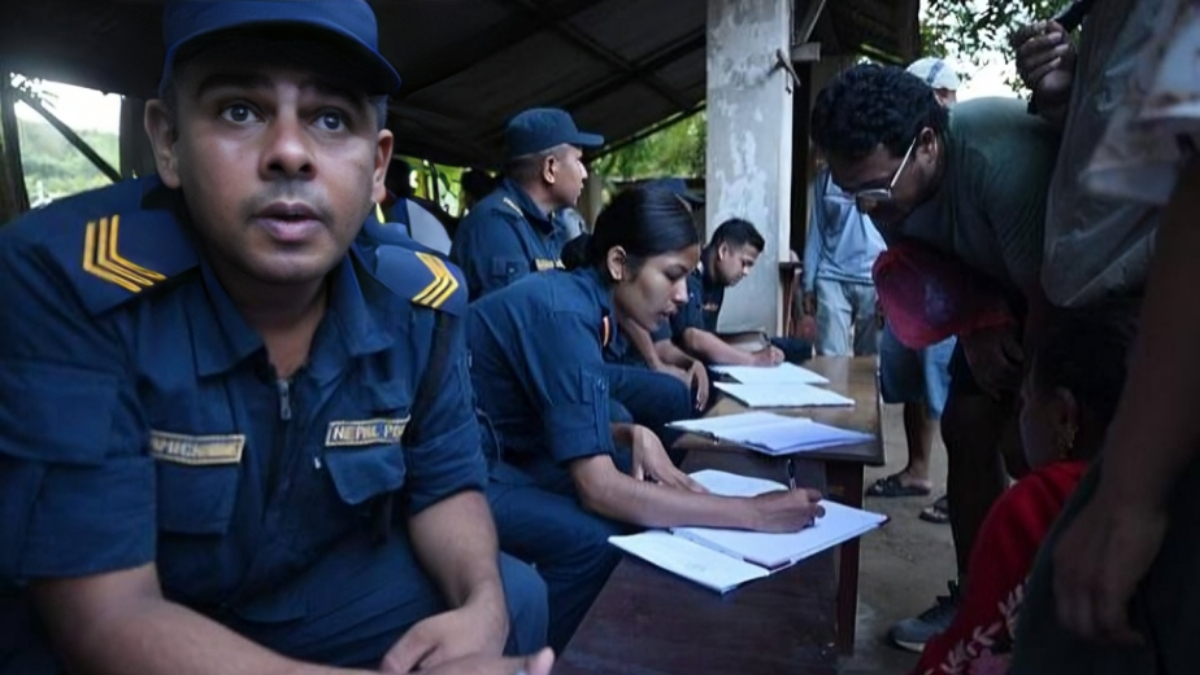
A large number of tourists are among those still missing, raising concerns across several countries over the fate of foreign nationals caught in the disaster.

Rescue operations have now resumed after initial fears of another major deluge subsided, with security personnel and emergency workers using heavy machinery to clear roads and search areas buried under the massive volume of debris.
THEWILL reports that the disaster struck on Wednesday after a glacier collapse in the Himalayan region triggered a massive torrent of water, ice, rocks, mud and debris through mountain river systems.
The flood tore through villages and valleys, destroying homes, power infrastructure, roads and bridges along a strategically important corridor linking Nepal’s capital, Kathmandu, with Lhasa in Tibet.
The route is also heavily used by trekkers, tourists and religious pilgrims, making the large number of missing foreigners particularly alarming.
Earlier figures indicated that at least 540 foreigners were among those missing in Nepal, while Chinese authorities reported 558 people unaccounted for in Gyirong County in Tibet, including 260 foreign nationals.
The worsening casualty figures have reflected the difficulty of reaching remote communities and recovering victims swept away by the force of the flood.
Survivors Describe Devastation
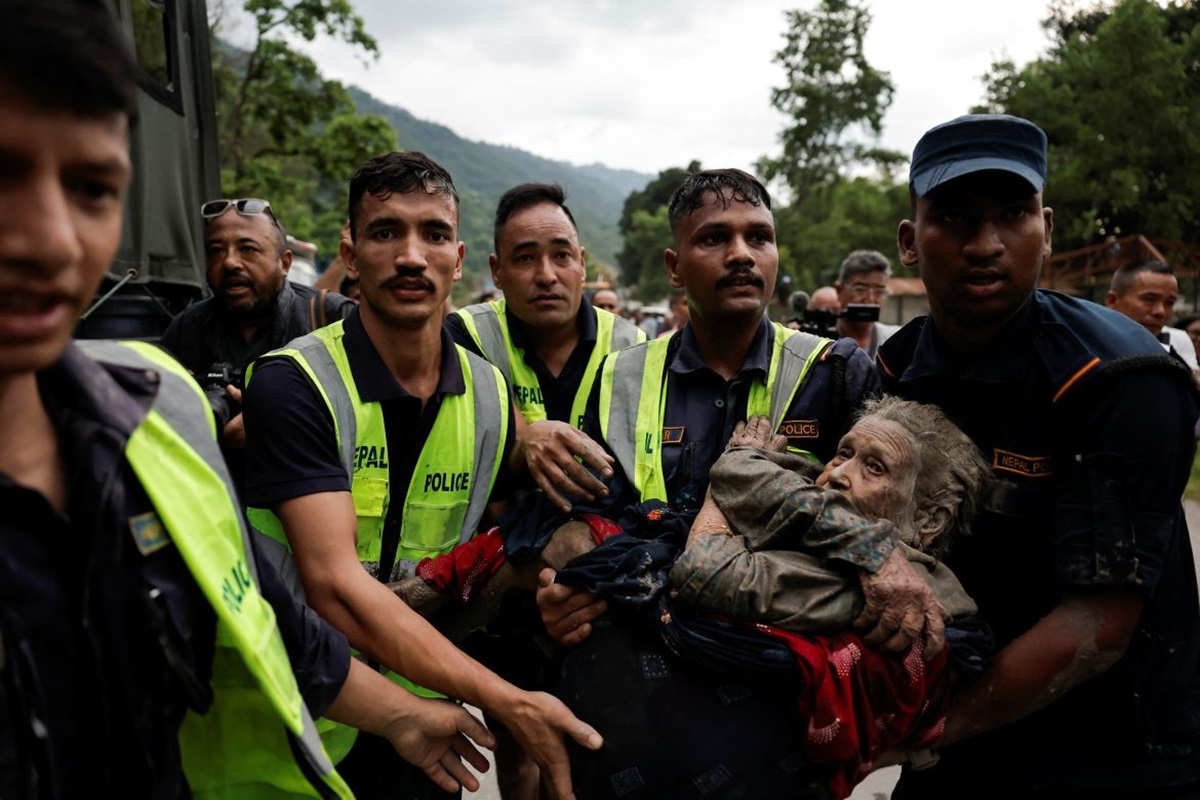
Survivors have described the flood as a sudden and overwhelming wall of water that gave residents little time to escape.
Dibga Tamang, among the last people rescued from the badly affected town of Rasuwa on Thursday, was airlifted with three others to an army camp in Nuwakot.
“All of our people have gone. They are dead. I have no one left waiting for me. Everything and everyone is gone. The end,” Tamang said.
Another survivor, Janak Bahadur, said the flood appeared without warning.
“The flood came in suddenly and exploded like a bomb. The river looked small from a distance but it suddenly started overflowing and swept through,” he said in Devighat on Thursday.
The authorities have been forced to deal with large numbers of bodies recovered from rivers and carried downstream into Nepal’s plains.
Ganesh Aryal, administrator of Chitwan district, earlier said 103 bodies had been recovered from the river system in the district, about 100 kilometres from the worst-hit area around Trishuli.
With hospitals struggling to accommodate the dead, authorities began setting up tents and other temporary facilities where families could identify and claim the remains of their relatives.
International Search For Missing Tourists
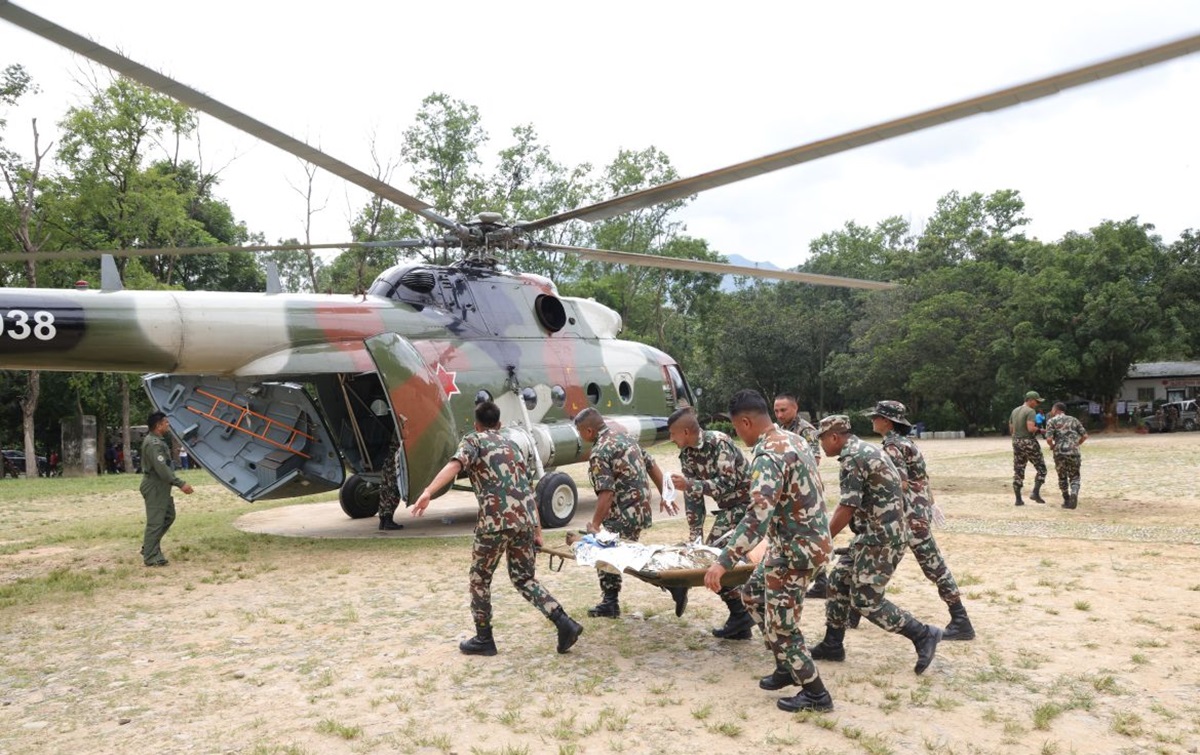
The disaster has triggered an international search for missing tourists, pilgrims and other foreign nationals.
Countries including India, Australia and South Korea have sent assistance and rescue teams as authorities attempt to establish the whereabouts of their citizens.
In Malaysia, relatives of missing pilgrims have been anxiously awaiting information.
Vasanthi Muniandy, whose sister Vennila was travelling with a Hindu pilgrimage group, said she last heard from her after Vennila crossed into Tibet from Nepal.
“I am totally broken. My sister is very important to me. I really want her to come back. I don’t have anyone but her. I just want her to come back home. I want her to be safe,” she said.
READ ALSO:
Fresh Flood Threat
Despite the resumption of rescue operations, authorities remain vigilant against the possibility of additional flooding.
Nepal’s disaster management authorities had warned that debris blocking the Bhotekoshi River created a lake whose water level was rising, raising fears that the natural obstruction could collapse and release another destructive surge downstream.
China had also warned of a high risk of flooding after about three million cubic metres of water was expected to flow into an already dammed lake near the disaster zone.
Chinese state media, citing the Ministry of Water Resources, said peak flow was expected around September 1.
“The volume of water is continuing to increase, and so is the risk,” Zhu Jinfeng, a researcher with the ministry’s hydrology department, told state broadcaster CCTV.
The latest situation, however, has allowed rescue and recovery teams to resume operations in areas previously threatened by further flooding.

Felix Ifijeh is a journalist with years of professional reporting experience. Known for his keen news sense, compelling storytelling and commitment to accurate, impactful reporting, he has built a reputation for turning leads into clear, engaging, and well-structured reports that resonate with readers. His work reflects deep newsroom experience and a commitment to accurate, impactful journalism.