
-
US Congressman Riley Moore says Christians in Nigeria continue to face “unspeakable violence” one year after President Donald Trump redesignated the country as a Country of Particular Concern (CPC).
-
Moore credits Trump’s leadership, efforts by Republican lawmakers to condition US aid to Nigeria and advocacy by faith-based organisations with making a difference.
-
The American lawmaker says Nigeria recorded its first Christmas without a massacre of Christians in recent memory but insists that further efforts are required to end the violence.
-
The Federal Government rejects the characterisation of Nigeria’s insecurity as religious persecution, maintaining that terrorism, banditry and communal violence affect both Christians and Muslims.
November 02, (THEWILL) – A member of the United States House of Representatives, Riley Moore, has said Christians in Nigeria continue to face “unspeakable violence” one year after President Donald Trump redesignated the country as a Country of Particular Concern (CPC) over alleged violations of religious freedom.
Moore made the declaration in a post on his X account to mark the anniversary of Trump’s decision, calling for renewed efforts to protect Christians in Nigeria and other parts of the world facing religious persecution.
“Christians in Nigeria, and around the world, continue to face unspeakable violence. On this anniversary, we must rededicate our efforts to defend Christians in Nigeria and anywhere they face persecution”, the American lawmaker wrote.

The congressman also reviewed what he described as the impact of the CPC designation, crediting Trump’s leadership, legislative efforts by Republicans in the House of Representatives and advocacy by faith-based organisations with contributing to efforts to address attacks against Christians in Nigeria.
According to Moore, the measures have started making a difference, although he maintained that much more needed to be done to end the violence.
“The President’s steadfast and decisive leadership, @houseappropsgop’s work to condition aid to Nigeria and impose requirements to defend Christians, and the tireless work of advocacy and faith-based organisations have started to make a difference. We saw the first Christmas without a massacre of Christians in recent memory. There is much more work to be done, but the government of Nigeria has shown signs of a willingness to address the violence against our brothers and sisters in Christ”, he added.
US Lawmakers Push For Conditions On Aid To Nigeria
Moore’s comments come amid continued international attention on insecurity in Nigeria, particularly attacks on communities in the North-East and Middle Belt, where armed groups, insurgents and criminal networks have killed, kidnapped and displaced thousands of people.
The remarks also drew attention to efforts by Republican lawmakers in the US House Appropriations Committee to make American assistance to Nigeria conditional on demonstrable steps by the Federal Government to protect Christians and prosecute perpetrators of religiously motivated violence.
Following Trump’s redesignation of Nigeria as a CPC, House Appropriations Republicans moved to push for requirements that would tie aspects of US assistance to the Nigerian government’s commitment to protecting Christian communities.
The proposed measures formed part of broader efforts by some American lawmakers and religious freedom advocacy organisations to sustain pressure on the Nigerian government over allegations of attacks and persecution targeting Christians.
Moore has been among the prominent American lawmakers advocating stronger US intervention on the issue, arguing that the protection of Christians in Nigeria should remain a priority for the Trump administration and Congress.
In his anniversary message, he acknowledged the contributions of faith-based organisations and advocacy groups, saying their sustained campaigns, alongside actions by the US administration and lawmakers, had helped draw attention to the situation.
He nevertheless called for continued efforts, insisting that the reported attacks against Christians had not ended.
READ ALSO:
Nigeria’s CPC Designation: The Background
Nigeria was first designated a Country of Particular Concern by the United States in 2020 during Trump’s first administration over alleged severe violations of religious freedom.
The designation was removed in 2021 by the administration of former US President Joe Biden, a decision that attracted criticism from some American lawmakers and faith-based organisations, which called for Nigeria’s reinstatement on the list.
In November 2025, Trump redesignated Nigeria as a CPC following his return to the White House, citing continued attacks against Christian communities, particularly in the Middle Belt and North-East.
Under the US International Religious Freedom Act, the CPC designation applies to countries determined to have engaged in or tolerated particularly severe violations of religious freedom.
The designation provides Washington with a range of possible policy responses, including diplomatic pressure, sanctions and restrictions on certain forms of assistance, depending on the circumstances and applicable legal provisions.
Trump’s decision followed sustained pressure from American lawmakers and religious freedom advocates, who had called for stronger measures over reports of attacks on Christian communities in Nigeria.
The renewed designation also placed Nigeria’s security situation under closer scrutiny by American lawmakers, religious organisations and foreign policy stakeholders.
FG Rejects Religious Persecution Narrative
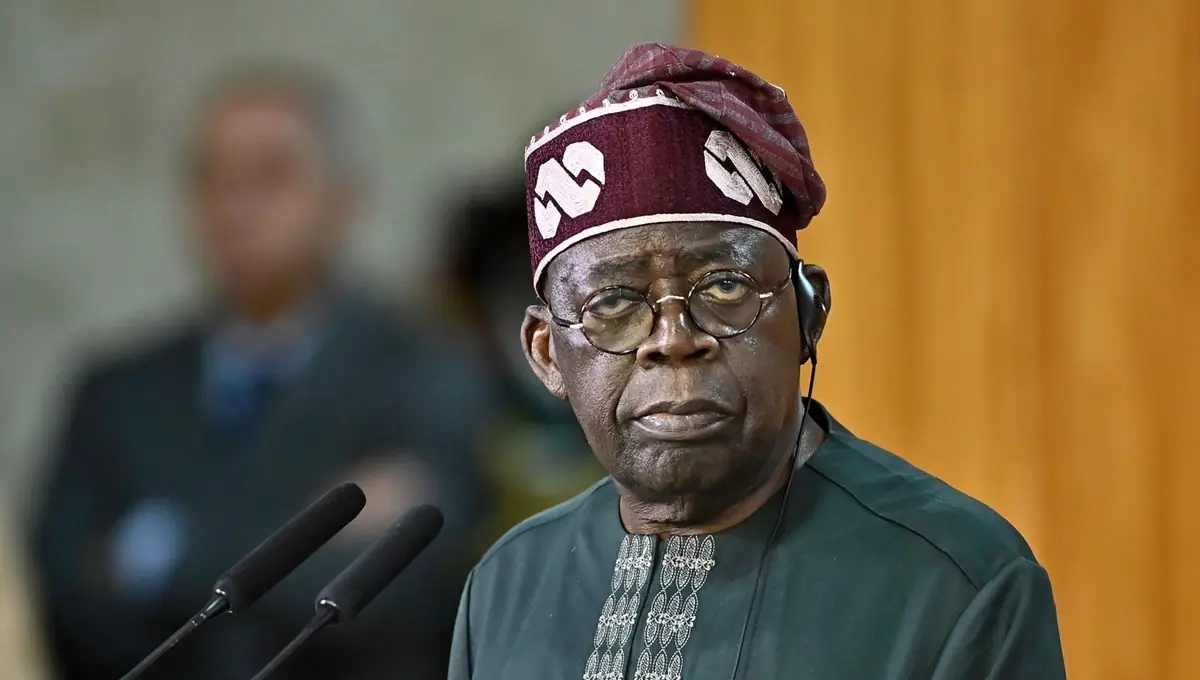
The Federal Government has consistently rejected the characterisation of Nigeria’s insecurity as a systematic campaign of religious persecution, maintaining that the country’s security challenges are more complex and affect people of different religious backgrounds.
The government has argued that terrorist activities by Boko Haram and the Islamic State West Africa Province (ISWAP), banditry, kidnapping and farmer-herder clashes have resulted in casualties among both Christians and Muslims.
Following the redesignation, the Federal Government challenged the portrayal of the country’s security crisis as a religious conflict, insisting that attacks by armed groups should not be interpreted as evidence of a deliberate campaign against one religious community.
The government has also pointed to ongoing security operations, reforms within the security architecture and engagements with international partners, including the United States, as part of efforts to address insecurity. It has maintained that vulnerable communities in Benue, Plateau, Southern Kaduna and other affected areas are receiving attention through security interventions and other government measures.
Nigeria has also indicated its willingness to cooperate with Washington on security and intelligence matters while maintaining that the country’s security challenges must be understood within their broader context.
Moore’s latest remarks indicate that the issue remains a subject of attention among American lawmakers one year after Nigeria’s return to the CPC list. While acknowledging what he described as signs of willingness by the Nigerian government to address the violence, the congressman maintained that Christians in Nigeria and other parts of the world continued to require protection.
He reiterated the need for sustained efforts by the US government, lawmakers and religious freedom advocacy organisations to address attacks against Christians and protect communities facing religious persecution.
Felix Ifijeh is a journalist with years of professional reporting experience. Known for his keen news sense, compelling storytelling and commitment to accurate, impactful reporting, he has built a reputation for turning leads into clear, engaging, and well-structured reports that resonate with readers. His work reflects deep newsroom experience and a commitment to accurate, impactful journalism.
