
-
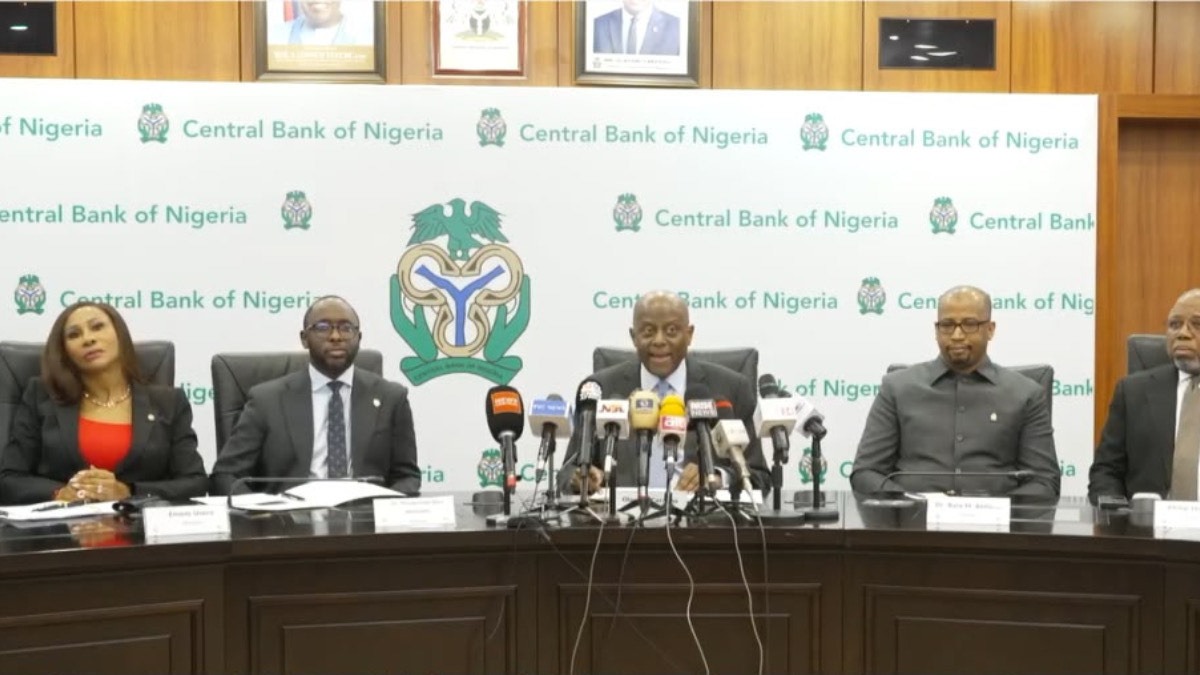
The Monetary Policy Committee retained the Monetary Policy Rate at 23 percent at its 308th meeting, keeping its existing policy stance unchanged.
-
The committee also retained the cash reserve requirements for deposit money banks, merchant banks and non-TSA public sector deposits.
-
CBN Governor Olayemi Cardoso said inflation had continued to moderate, while interbank and treasury bill rates were moving in the intended direction.
November 24, (THEWILL) – The Central Bank of Nigeria’s Monetary Policy Committee has retained the Monetary Policy Rate at 23 percent, maintaining its existing monetary policy stance as the bank continues to monitor inflation, credit conditions and movements in market interest rates.
The decision was reached at the committee’s 308th meeting, alongside the retention of other major monetary policy parameters, including the standing facilities corridor and cash reserve requirements.
The committee retained the standing facilities corridor at +50 and -300 basis points around the MPR. It also kept the Cash Reserve Requirement at 45 percent for deposit money banks, 16 percent for merchant banks and 75 percent for non-Treasury Single Account public sector deposits.
The decision leaves the benchmark interest rate unchanged following the committee’s previous adjustment, as the CBN maintains what Governor Olayemi Cardoso described as a relatively tight monetary stance.
 CBN Says Monetary Policy Transmission Is Improving
Speaking at the post-meeting briefing, Cardoso said the effects of monetary policy were gradually filtering through the financial system, with interbank rates moving closer to the lower band of the standing facilities corridor.
He also said Open Buy Back and treasury bill rates had moderated, indicating that market rates were responding to the adjustments made by the central bank.

According to the governor, the gap between policy rates and market rates had reduced considerably following recent adjustments.
He said the CBN was also seeing a gradual increase in credit to the private sector, although the cost of borrowing remained an area requiring attention.
Cardoso said disinflation had continued for the fifth consecutive period, adding that the recent policy adjustments had not weakened the committee’s tight monetary stance.
He explained that the previous rate adjustment was intended to bring the policy rate closer to market realities rather than signal a shift towards monetary easing.
The governor said the committee would continue to assess economic data at each meeting and adjust its decisions where necessary.
READ ALSO:
CBN Targets Single-Digit Inflation
On the outlook for 2027, Cardoso said the central bank would maintain consistency in monetary policy to enable businesses and investors to plan with greater certainty.
He reiterated the CBN’s commitment to bringing inflation into single digits, saying the bank would continue working towards that target.
The governor also identified financial system stability and coordination between monetary and fiscal authorities as priorities for the coming year.
On foreign exchange, he said Nigeria’s external reserves remained strong at between $54 billion and $55 billion, providing approximately 10 months of import cover.
He attributed recent movements in reserves and exchange rates partly to seasonal demand for foreign currency, portfolio investors’ year-end adjustments and increased spending ahead of the elections.
Cardoso said diaspora remittances remained strong, with inflows exceeding $900 million in the previous month.
He expressed confidence that exchange rate volatility would moderate as the country moved into the new year.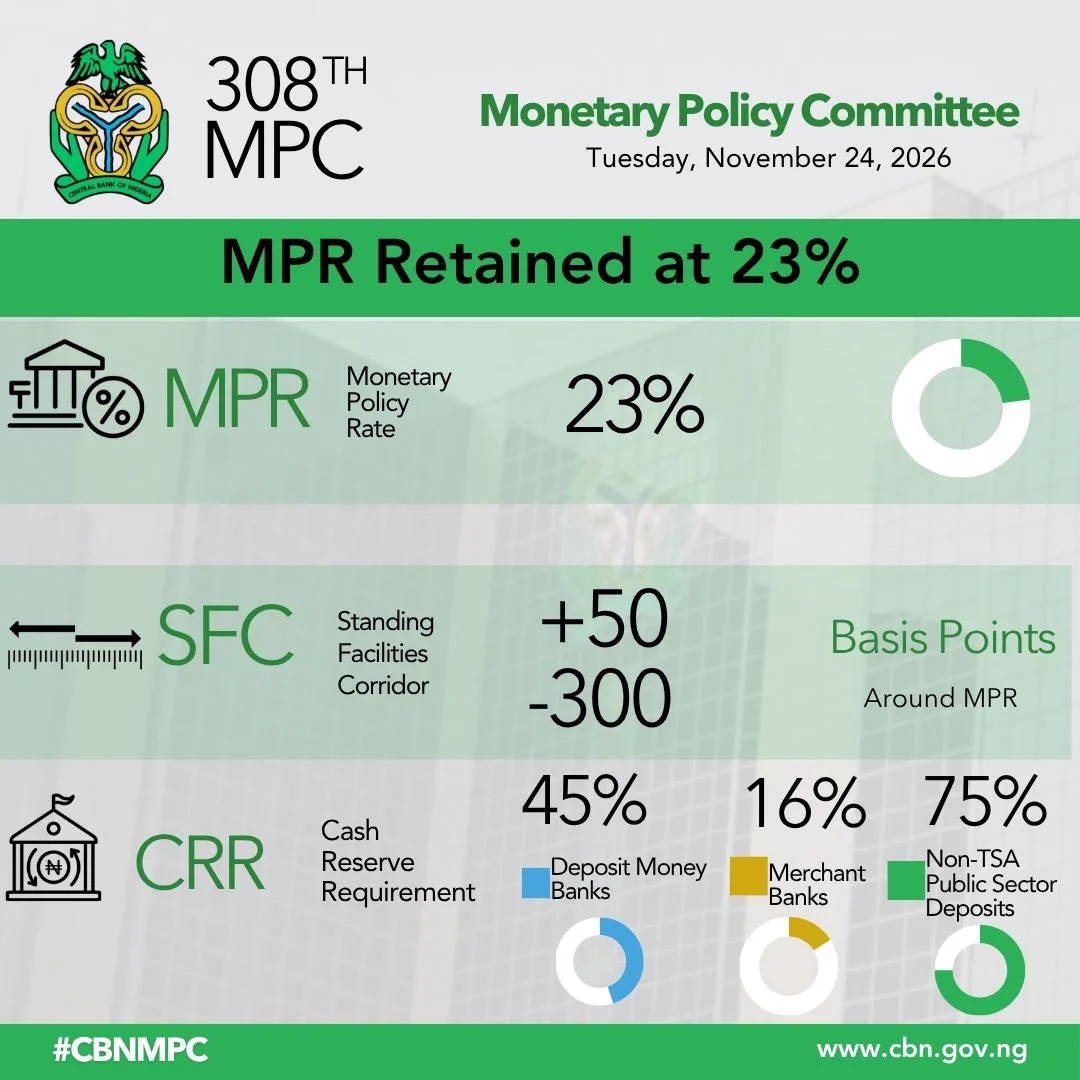

Ogochukwu Onwaeze is a writer specializing in business and economy journalism. At THEWILL News Media, she translates market trends, financial developments, and policy shifts into clear and engaging stories.