
-
Singapore President Tharman Shanmugaratnam has invited President Bola Ahmed Tinubu to Singapore as the Southeast Asian nation seeks to strengthen bilateral relations with Nigeria
-
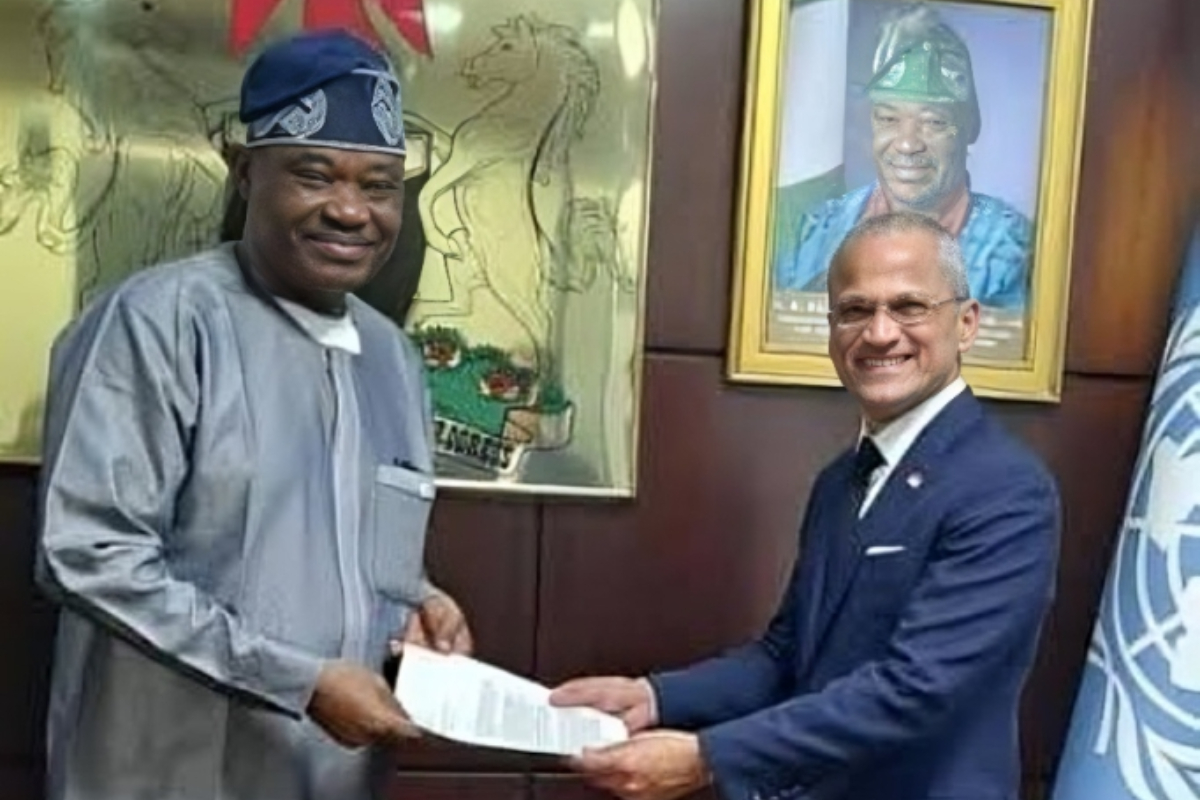
The invitation was delivered to Nigeria’s Permanent Representative to the United Nations, Ambassador Jimoh Ibrahim, by Singapore’s UN envoy, Ambassador Burhan Gafoor, during a visit to the Nigerian Mission House in New York.
-
Ibrahim said Tinubu’s reform programme had attracted international attention, drawing a striking comparison between the Nigerian President’s economic reforms and the transformation associated with Singapore’s founding Prime Minister, Lee Kuan Yew.
-
The diplomatic overture comes as Nigeria seeks to strengthen international partnerships around its economic transformation agenda, while Ibrahim assumes leadership of two key UN committees overseeing the organisation’s budgetary affairs and peacekeeping operations.
September 18, (THEWILL) – Singapore President Tharman Shanmugaratnam has invited President Bola Ahmed Tinubu to Singapore as the Southeast Asian country seeks to strengthen relations with Nigeria and explore deeper cooperation around economic reforms, national development and multilateral affairs.
The invitation was delivered to Nigeria’s Permanent Representative to the United Nations, Ambassador Jimoh Ibrahim, by Singapore’s Permanent Representative to the UN, Ambassador Burhan Gafoor, during a visit to the Nigerian Permanent Mission House in New York.
A statement issued by the Nigerian Mission House, said Gafoor delivered a letter from President Shanmugaratnam inviting Tinubu to visit Singapore.

The Singaporean envoy also congratulated Ibrahim on his emergence as Chairman of two prominent United Nations committees — the Fifth Committee on Administrative and Budgetary Matters and the Special Committee on Peacekeeping Operations, also known as the Committee of 34 or C-34.
Receiving the invitation, Ibrahim thanked the Singaporean government and assured the people and leadership of the country that Tinubu would make time to visit Singapore in the nearest future.
The Nigerian envoy said the invitation reflected growing international interest in Nigeria’s reform programme and the opportunity for both countries to exchange experiences on national development and multilateralism.
Ibrahim made a striking comparison between Tinubu’s economic reforms and the transformation associated with Singapore’s first Prime Minister, the late Lee Kuan Yew.
“President Bola Ahmed Tinubu is making bold economic reforms like the first Prime Minister of Singapore, Lee Kuan Yew. His achievements are enviable and continue to generate concern to countries like Singapore to share experience in multilateralism,” Ibrahim said.
Lee Kuan Yew served as Singapore’s first Prime Minister from 1959 to 1990 and is widely associated with the city-state’s transformation during its early decades of independence.
Ibrahim said Tinubu held President Tharman in high esteem and congratulated Singapore on the reforms that had transformed the country.
He said Nigeria was also undergoing reforms designed to transform the country into a modern state where the interests of citizens would be protected and Nigerians would begin to enjoy a viable economic proposition.
“Nigeria is currently going through reform in order to transform herself to a modern contemporary state, where interests of everyone is protected and Nigerians begin to enjoy a viable proposition,” he said.
The proposed visit comes against the backdrop of Tinubu’s efforts to attract international investment and strengthen economic partnerships as his administration implements a series of reforms aimed at restructuring the Nigerian economy.
Since assuming office in May 2023, Tinubu has introduced major economic policy changes, including the removal of the petrol subsidy and reforms to the foreign exchange market.
The administration has consistently argued that the measures are intended to create a more sustainable economic environment, attract investment and promote long-term growth.
The reforms have, however, also brought significant economic adjustments for Nigerians, including higher living costs and pressure on household incomes, making economic recovery and the eventual benefits of the reforms major issues in public and policy discussions.
Against this background, partnerships with countries that have developed strong institutions and internationally recognised economic systems have become an important part of Nigeria’s external engagement.
Singapore, one of Asia’s major financial and commercial centres, has developed extensive experience in areas including public administration, infrastructure, trade, investment and economic development.
Ibrahim also disclosed that his office at the United Nations had witnessed increased diplomatic engagements in recent weeks.
READ ALSO:
According to him, the British Ambassador to the UN visited his office last week, followed by the Ambassador of Guyana a few days later, before Gafoor’s visit on behalf of Singapore.
He said the increased engagements reflected the importance attached to Nigeria’s role at the United Nations and his new responsibilities in the organisation.
Ibrahim recently emerged Chairman of the UN General Assembly’s Fifth Committee, which is responsible for administrative and budgetary matters, as well as Chairman of the Special Committee on Peacekeeping Operations, commonly known as C-34.
The Fifth Committee plays a central role in determining the administrative and financial framework of the United Nations, including consideration of the organisation’s budget and allocation of resources.
The C-34, on the other hand, deals with issues relating to UN peacekeeping operations and considers measures for improving the effectiveness of peacekeeping missions.
Ibrahim pledged that Nigeria’s leadership of both committees would be guided by fairness, accountability and efficiency.
Speaking on his responsibilities under the Fifth Committee, he assured member states that resources would be allocated equitably and that all countries would have a voice in the process.
“I will be fair to all in allocation of resources under the Fifth Committee, and every country will have a say. The United Nations will be impartial to member states under the reform of accountability and efficiency,” he said.
Felix Ifijeh is a journalist with years of professional reporting experience. Known for his keen news sense, compelling storytelling and commitment to accurate, impactful reporting, he has built a reputation for turning leads into clear, engaging, and well-structured reports that resonate with readers. His work reflects deep newsroom experience and a commitment to accurate, impactful journalism.
