
-
Preacher Paul Nthenge Mackenzie and 28 co-accused were convicted over the deaths of 191 people in Kenya’s Shakahola massacre.
-
Court finds religious teachings and a structured hierarchy were used to impose extreme fasting, beginning with children.
-
Mackenzie’s Good News International Church was found to have operated as a cult, isolating followers and discouraging medicine and education.
-
Prosecutors relied on 123 witnesses, DNA analysis, postmortems, digital recordings and other forensic evidence to secure the convictions.
October 20, (THEWILL) – A Kenyan court has convicted controversial preacher Paul Nthenge Mackenzie and 28 other defendants over the deaths of 191 people, including 190 children, in the Shakahola massacre in Kilifi County.
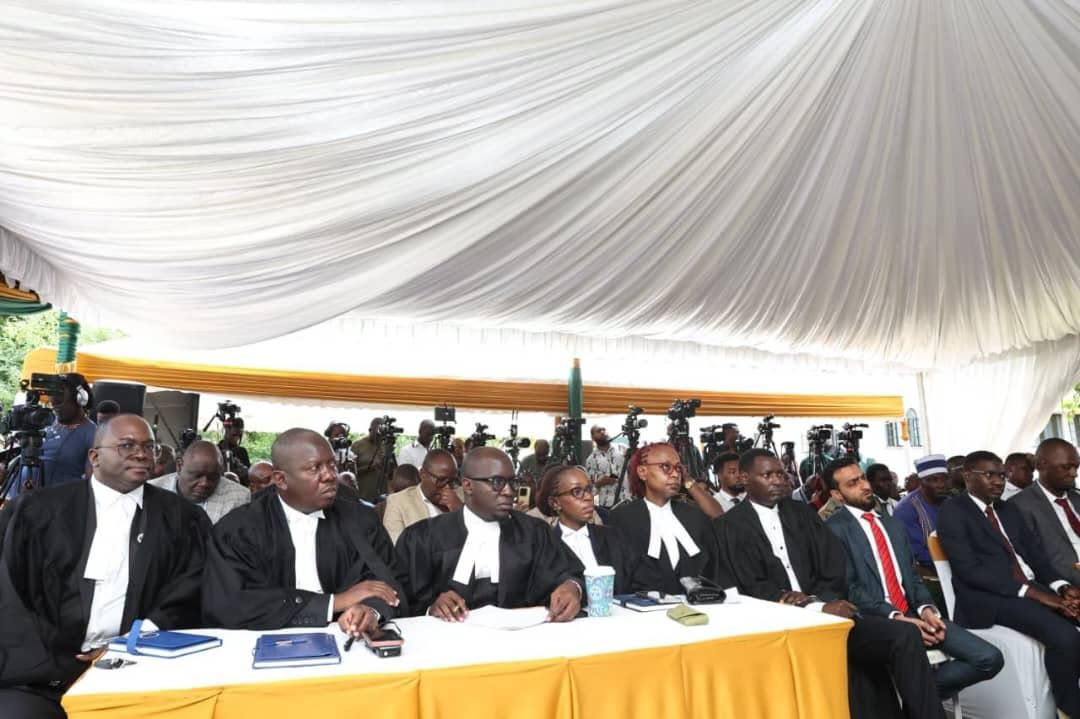
The Mombasa High Court delivered the judgment on Monday, October 19, with Justice Diana Kavedza-Mochache finding that the deaths were the result of an organised system in which religious teachings were allegedly weaponised to direct and enforce deadly fasting among followers.
The Directorate of Criminal Investigations (DCI), which announced the convictions, described the judgement as a landmark development in the prosecution of one of Kenya’s most horrific mass-death cases.

According to the DCI, the court established that Mackenzie and the other accused operated a structured system in which religious teachings and a hierarchy were used to control followers and enforce extreme fasting.
The court found that followers were directed to relocate to Shakahola, where fasting was imposed in stages, beginning with children.
Guards were also found to have prevented followers from escaping the practice.
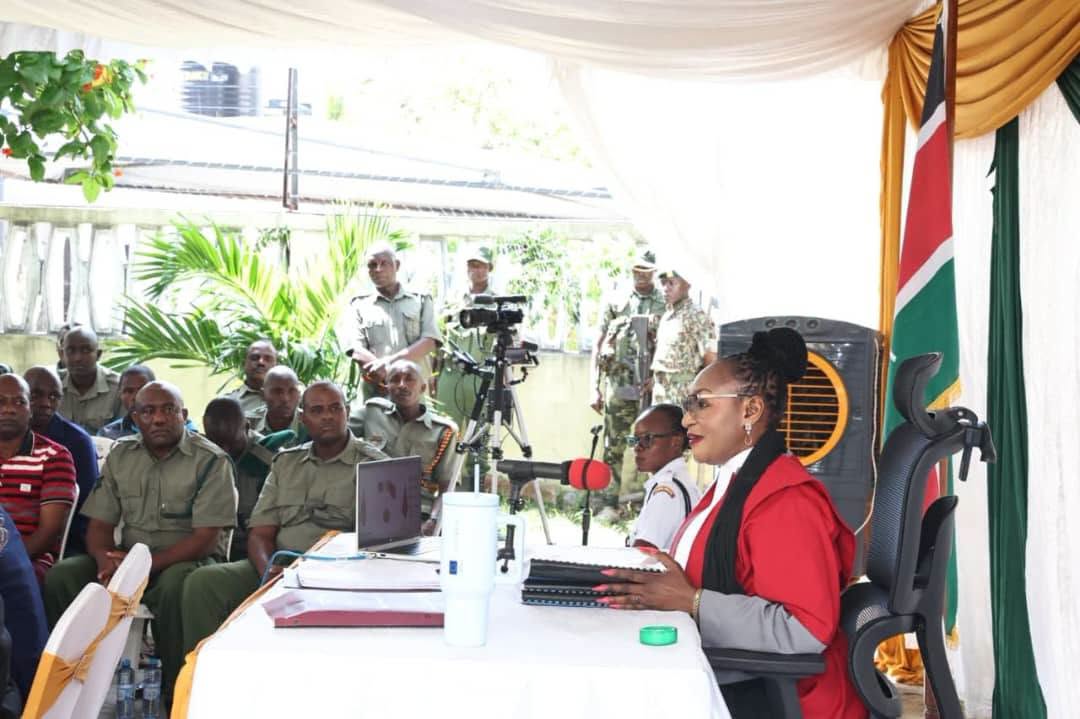
The deaths formed part of the wider Shakahola massacre, which came to national attention after authorities uncovered mass graves and began exhuming bodies from a vast tract of land in Kilifi County.
The court also found that Mackenzie’s Good News International Church, which he founded in 2010, operated as a cult. The church was found to have preached the imminent end of the world, discouraged followers from seeking medical treatment and accessing education, isolated them from wider society and promoted extreme fasting as a route to attaining heaven.
DCI said the prosecution was supported by extensive evidence gathered during a painstaking investigation, including testimony from 123 witnesses, among them child victims.
The evidence was further corroborated by digital recordings, forensic and medical reports, DNA analysis, physical exhibits and expert testimony.
Investigators documented crime scenes, homesteads and mass graves where bodies were recovered during the exhumation exercise.
The agency said 190 postmortem examinations were conducted, with medical evidence establishing that 76 victims died from starvation, alongside other causes identified during the examinations.
READ ALSO:
The scale of the deaths and the circumstances surrounding them shocked Kenya and drew international attention, particularly because of the large number of children among the victims.
The investigation subsequently focused on how Mackenzie and his associates allegedly exercised control over followers and enforced religious practices that contributed to the deaths.
The court commended investigators for their handling of the case, particularly their work in scene documentation, exhumations, forensic pathology and preservation of evidence.
DCI said the investigative efforts provided a firm foundation for the prosecution and eventual administration of justice.
Welcoming the judgement, the agency described it as a significant milestone in the pursuit of justice for the victims and their families.
DCI also said the case demonstrated the importance of thorough investigation, forensic expertise and evidence-led prosecution in holding individuals responsible for serious crimes accountable.
Background
The Shakahola massacre emerged as one of Kenya’s deadliest cases linked to religious extremism after authorities uncovered mass graves containing followers of Mackenzie’s Good News International Church in Kilifi County.
Mackenzie, a controversial preacher, was accused of leading followers into an isolated community where extreme religious teachings and fasting were imposed.
The discovery of the graves triggered a major investigation involving the Kenyan police, forensic specialists and other government agencies. As exhumations continued, the number of recovered bodies rose sharply, revealing the devastating scale of the deaths.
The case also sparked a national debate in Kenya over regulation of religious organisations, protection of vulnerable followers and the need for stronger safeguards against the exploitation of religious belief.
The conviction of Mackenzie and his 28 co-accused now marks a major judicial milestone in the case, bringing the findings of the extensive investigation before the court and delivering a verdict on those held responsible for the deaths.
Felix Ifijeh is a journalist with years of professional reporting experience. Known for his keen news sense, compelling storytelling and commitment to accurate, impactful reporting, he has built a reputation for turning leads into clear, engaging, and well-structured reports that resonate with readers. His work reflects deep newsroom experience and a commitment to accurate, impactful journalism.
