
-
Filmmaker Ose Oyamendan’s 108-minute documentary, MKO, will premiere in Nigerian cinemas on October 1, 2026, revisiting the political journey of late businessman MKO Abiola.
-
The documentary examines the annulment of the June 12, 1993 presidential election, Abiola’s decision to demand the restoration of his mandate, his subsequent detention by the military authorities and the pro-democracy struggle that followed.
-
Oyamendan, who was a young journalist with Weekend Concord during the June 12 crisis, uses archival materials and interviews with prominent figures
-
The film also investigates the circumstances surrounding Abiola’s death on July 7, 1998, while he was meeting a United States delegation.
August 21, (THEWILL) — Filmmaker Ose Oyamendan’s new documentary, MKO, will hit Nigerian screens on October 1, 2026, revisiting the life, political struggle and controversial death of late businessman and politician, Moshood Kashimawo Olawale Abiola.
The 108-minute documentary, which premiered at the 2026 Sheffield DocFest in the United Kingdom, explores one of the most consequential episodes in Nigeria’s political history — the annulment of the June 12, 1993 presidential election and its far-reaching consequences for the country’s democracy.
Abiola, who was the presidential candidate of the Social Democratic Party in the election, was widely regarded as having won the poll. The election, conducted under the military government of General Ibrahim Babangida, was however annulled before the final result could be officially declared.

The decision plunged the country into a political crisis, triggering protests, arrests, repression and a sustained campaign for the restoration of Abiola’s mandate and the return of Nigeria to democratic rule.
The documentary, traces the events from the election and its annulment through Abiola’s struggle to reclaim what he regarded as his stolen mandate, his arrest and detention, and the eventual circumstances surrounding his death in custody.
Oyamendan, who worked as a young journalist with Weekend Concord during the June 12 crisis, draws on archival footage, historical records and interviews with individuals who were directly connected to the events.
Among those featured are former military rulers Ibrahim Babangida and Abdulsalami Abubakar, former President Olusegun Obasanjo, former National Electoral Commission chairman Humphrey Nwosu and Abiola’s running mate in the 1993 election, Baba Gana Kingibe.
Their accounts provide different perspectives on the election, its annulment, the political crisis that followed and the eventual transition from military rule to civilian government.
The documentary also examines the unresolved circumstances surrounding Abiola’s death on July 7, 1998.
Abiola died while meeting a United States delegation, barely weeks after the death of military Head of State, General Sani Abacha, under whose government he had been detained.
His death has remained one of the most controversial episodes in Nigeria’s recent political history, with questions continuing to surround what happened during the meeting and the circumstances that led to his sudden death.
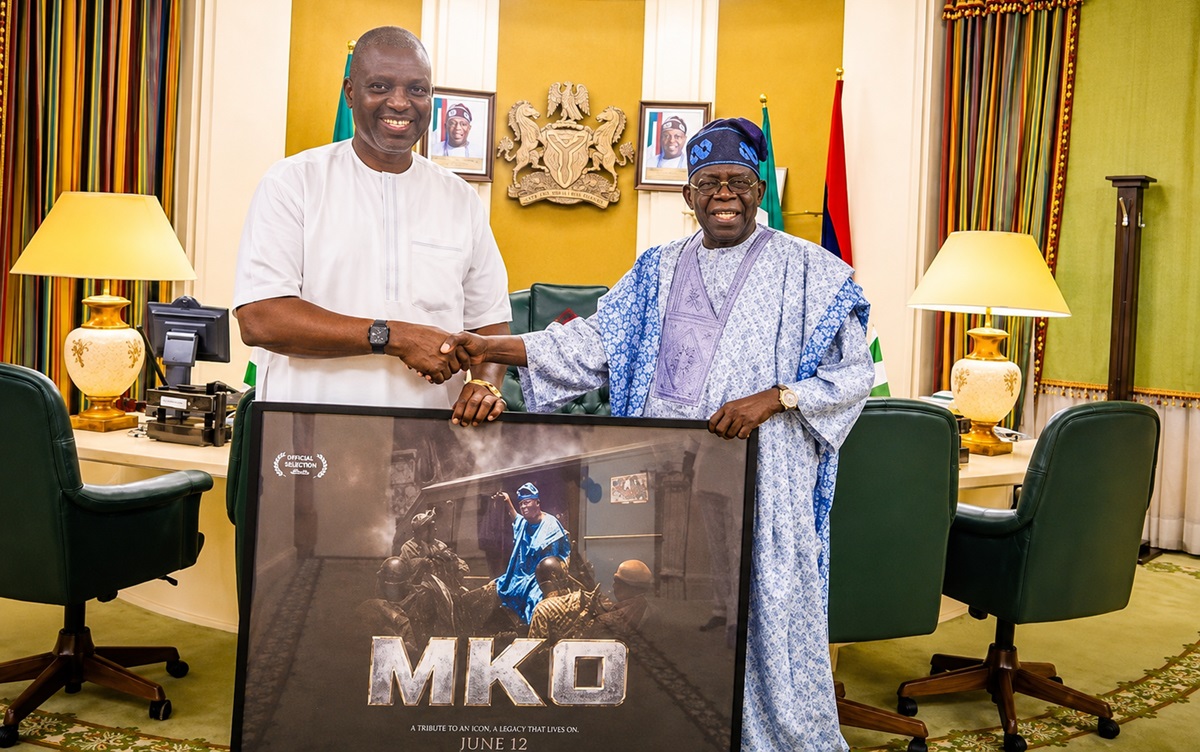
Oyamendan said the documentary investigates the circumstances surrounding Abiola’s death without presenting an unsupported conclusion about its cause.
He explained that the film was not simply an attempt to chronicle Abiola’s life, but an examination of Nigeria’s unfinished democratic journey and the consequences of the June 12 annulment.
READ ALSO:
- UPDATED: MKO Abiola Won June 12 Presidential Election – Babangida
- Democracy Day: Tinubu’s Renewed Hope Agenda Reflects MKO’s Vision For Better Nigeria – Hameen Abiola
- Tinubu Reaffirms Commitment To Inclusive Governance, National Unity As Lamido Asks FG To Pay Late MKO Abiola N45bn
The filmmaker’s personal experience during the crisis also informed the project. As a young journalist covering the period, Oyamendan witnessed the political tensions and upheaval generated by the annulment and the struggle that followed.
The June 12 election has since assumed a significant place in Nigeria’s democratic history. In 2018, the Federal Government formally recognised Abiola as the presumed winner of the election and posthumously conferred on him the Grand Commander of the Order of the Federal Republic (GCFR), Nigeria’s highest national honour.
The government also declared June 12 as Nigeria’s Democracy Day, replacing May 29.
The Nigerian premiere of MKO will take place on October 1, 2026, Nigeria’s Independence Day.
The choice of the date creates a deliberate connection between the story of Abiola, the June 12 struggle, and Nigeria’s broader democratic evolution.
Through Abiola’s story, the documentary seeks to revisit not only a disputed election and the fate of one of Nigeria’s most prominent political figures, but also the unresolved questions surrounding the country’s long transition from military rule to democratic governance.

Felix Ifijeh is a journalist with years of professional reporting experience. Known for his keen news sense, compelling storytelling and commitment to accurate, impactful reporting, he has built a reputation for turning leads into clear, engaging, and well-structured reports that resonate with readers. His work reflects deep newsroom experience and a commitment to accurate, impactful journalism.
