
-
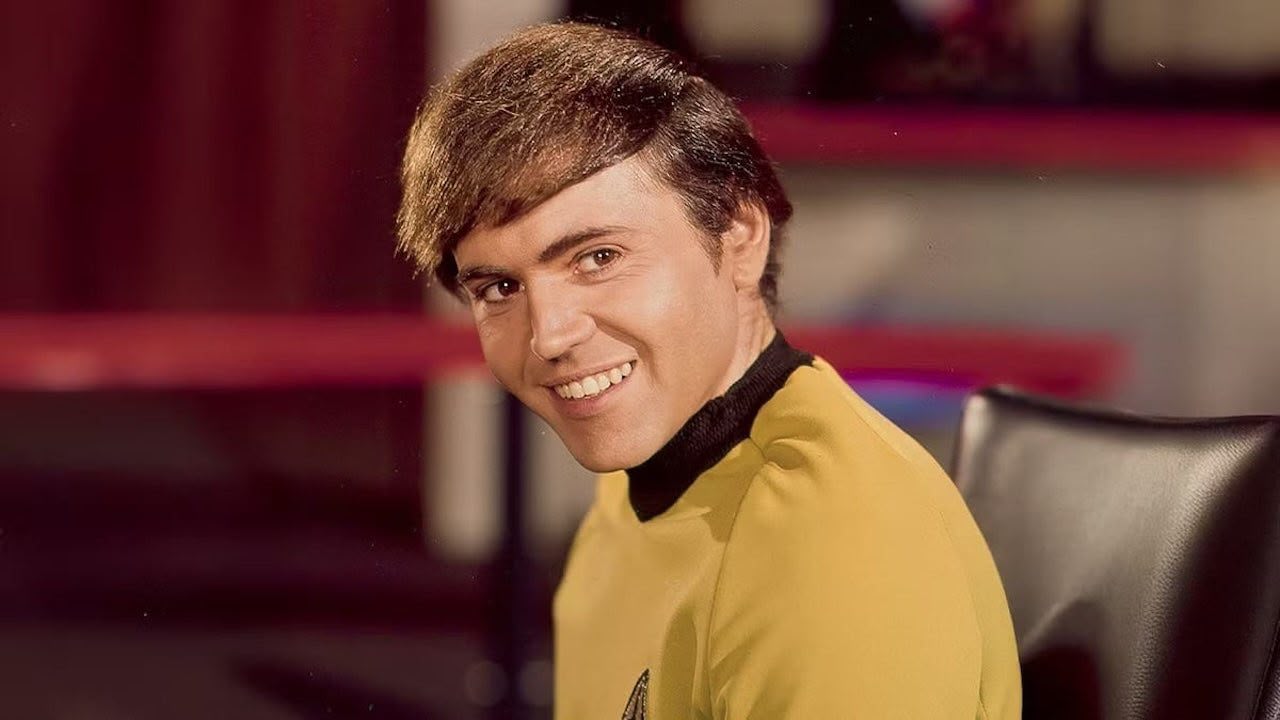
Walter Koenig, renowned for playing Pavel Chekov in the original Star Trek television series and seven franchise films, has died at 90.
-
The American actor died at his North Hollywood home, surrounded by his daughter and niece, according to his representative.
-
Koenig’s representative, Zachery McGinnis, attributed his death to old age but gave no further details.
-
Star Trek co-star George Takei mourned Koenig, describing him as a writer, teacher, thoughtful man, and loyal friend.
October 27, (THEWILL) – Hollywood veteran Walter Koenig, best known for his portrayal of Pavel Chekov in the original Star Trek television series and seven films in the science-fiction franchise, has died at the age of 90.
Koenig died at his home in North Hollywood, Los Angeles, on Sunday night, October 25, 2026, according to reports citing his representative, Zachery McGinnis. He was surrounded by his daughter and niece at the time of his death.
McGinnis attributed the actor’s death to old age but did not provide further details.

Koenig’s death has drawn tributes from colleagues and fans of Star Trek, the television series that established him as a familiar figure in science-fiction entertainment.
George Takei, who played Hikaru Sulu in the franchise, paid tribute to his former co-star in a Facebook post, expressing grief over his death and recalling their friendship.
“My heart is heavy. Walter was more than Chekov. He was a writer, a teacher, a thoughtful man, and a loyal friend. To the fans who loved him for so many years, thank you. He loved you too.
“Rest well, my dear friend. Keep navigating a steady course,” Takei wrote.
Born in Chicago, Illinois, on September 14, 1936, Koenig was raised in Manhattan, New York. He was the son of Lithuanian immigrants and initially pursued an academic path in psychology, earning a bachelor’s degree before turning to acting.
His career took a defining turn in 1967 when he joined the second season of Star Trek, created by Gene Roddenberry. He played Ensign Pavel Chekov, the young Russian navigator aboard the USS Enterprise.
Chekov became part of the crew alongside Captain James T. Kirk, played by William Shatner, and Mr Spock, portrayed by Leonard Nimoy. Koenig’s youthful appearance and distinctive hairstyle helped establish the character as one of the recognisable members of the Enterprise crew.
READ ALSO:
The original Star Trek series premiered in 1966 and ran for three seasons before ending in 1969. Although its initial television run was relatively short, the programme subsequently developed a large international following and grew into a major entertainment franchise.
Its popularity led to feature films, additional television series and an enduring fan community known as Trekkies.
Koenig reprised his role as Chekov in seven Star Trek feature films released between 1979 and 1994, beginning with Star Trek: The Motion Picture and ending with Star Trek Generations.
Beyond Star Trek, Koenig appeared in other television and film productions, including the science-fiction television series Babylon 5. He also worked as a writer and accumulated credits in other areas of entertainment, including computer games.
Despite the enduring popularity of Star Trek, Koenig recalled the uncertainty he faced when the original series was cancelled.
In an interview with the Los Angeles Times, he described himself as being “totally at sea” after the programme ended, with “no reason to get up in the morning.”
The series later achieved widespread cult status, helping to revive interest in its cast and generating opportunities through its expanding film and television productions.
Koenig married Judy Levitt in 1965. Levitt also appeared in Star Trek films and died in 2022.
Koenig’s portrayal of Chekov remained his signature role throughout a career that connected him to one of television’s most enduring science-fiction franchises.

Felix Ifijeh is a journalist with years of professional reporting experience. Known for his keen news sense, compelling storytelling and commitment to accurate, impactful reporting, he has built a reputation for turning leads into clear, engaging, and well-structured reports that resonate with readers. His work reflects deep newsroom experience and a commitment to accurate, impactful journalism.
