
-
GTBank Ghana recorded ₦112.91bn profit after tax in the first nine months of 2026, up 13.2 percent year-on-year.
-
Nigeria’s banking subsidiary posted ₦480.89bn profit after tax, down from ₦506.63bn a year earlier.
-
GTCO’s consolidated profit after tax fell 12.2 percent to ₦614.57bn despite growth in Ghana and other offshore markets.
October 28, (THEWILL) – Guaranty Trust Holding Company Plc’s Ghanaian banking subsidiary generated ₦112.91 billion in profit after tax in the first nine months of 2026, making it the largest contributor among the group’s reported offshore banking operations as earnings from its Nigerian business declined.
The Ghana subsidiary recorded profit before tax of ₦173.71 billion and operating income of ₦226.42 billion for the nine months ended September 30, 2026, according to GTCO’s unaudited financial statements.
Its profit after tax rose 13.2 percent from ₦99.70 billion in the corresponding period of 2025, contrasting with the decline in earnings from the group’s Nigerian banking subsidiary.

GTCO’s Nigerian operation reported profit after tax of ₦480.89 billion, down from ₦506.63 billion a year earlier. Although Nigeria remained the group’s largest earnings contributor, Ghana’s growth provided a different trajectory across its major markets.
Ghana Leads Offshore Earnings
GTBank Ghana’s ₦112.91 billion profit after tax exceeded the combined earnings of four other reported West African subsidiaries: Côte d’Ivoire, Gambia, Sierra Leone and Liberia.
GTBank Côte d’Ivoire recorded ₦24.07 billion in profit after tax, while the Gambian subsidiary posted ₦19.13 billion and Sierra Leone generated ₦15.23 billion. Liberia contributed ₦9.15 billion.
Together, the four subsidiaries generated ₦67.58 billion, approximately ₦45.33 billion less than Ghana’s reported profit.
The figures highlight Ghana’s contribution to GTCO’s international banking earnings, with its subsidiary generating more profit than the other four West African operations combined.
However, the reported figures are denominated in naira. Comparisons across countries may therefore reflect exchange-rate movements alongside changes in underlying business performance. The figures alone do not establish how much of Ghana’s increase came from higher transaction volumes, margins or currency translation.
East Africa Records Mixed Performance
GTCO’s East African operations delivered varied results during the period.
GTBank Kenya recorded profit after tax of ₦7.63 billion, while its Tanzanian subsidiary posted a loss of ₦434.19 million.
GTBank UK also contributed to offshore earnings, reporting profit after tax of ₦5.76 billion.
The results show that profitability differed across the group’s international markets, with Ghana substantially outperforming the other reported offshore subsidiaries in absolute earnings.
READ ALSO:
Group Profit Declines Despite Ghana Growth
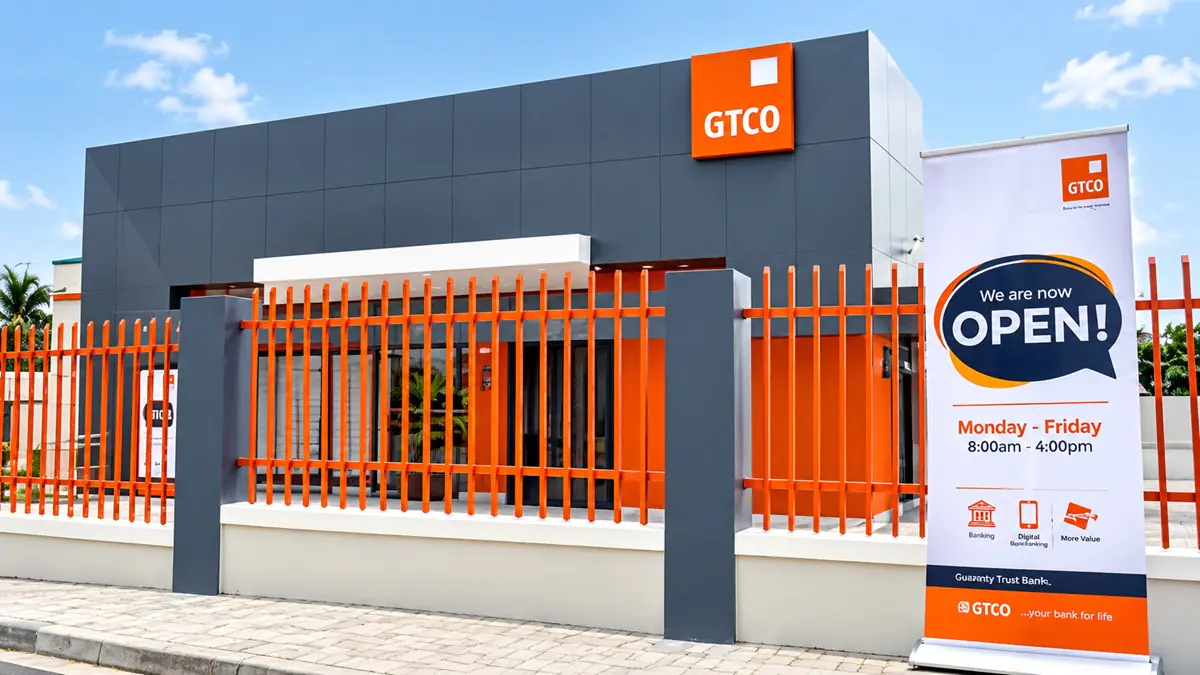
At group level, GTCO reported profit before tax of ₦879.90 billion for the nine months ended September 2026, down 2.3 percent from ₦900.80 billion in the corresponding period of 2025.
Profit after tax declined 12.2 percent to ₦614.57 billion from ₦699.64 billion, while interest expenses increased 27.7 percent to ₦356 billion from ₦278.73 billion.
The divergence between Ghana’s earnings growth and Nigeria’s decline illustrates the different performance trends within the group. Ghana’s profit after tax increased by ₦13.21 billion, while Nigeria’s fell by ₦25.74 billion.
Ghana’s improvement therefore provided some support but was insufficient to offset the broader decline in group profit.
Nigeria remained the dominant earnings market, contributing ₦480.89 billion compared with Ghana’s ₦112.91 billion. The performance of the domestic operation consequently remained central to the group’s overall results.
The reported figures cover selected offshore subsidiaries rather than a complete breakdown of every international operation. Nevertheless, they show that Ghana has emerged as GTCO’s strongest reported offshore banking market by profit after tax, even as the group faces pressure on consolidated earnings.
The key question for subsequent results is whether growth in Ghana and other international markets can continue to offset weaker earnings in Nigeria and rising financing costs at group level.

Ogochukwu Onwaeze is a writer specializing in business and economic journalism. At THEWILL News Media, she translates market trends, financial developments, and policy shifts into clear and engaging stories.
