
August 15, (THEWILL) — Football is supposed to be the safest place a player knows: 90 minutes of grass, noise and glory, with an ambulance parked somewhere out of sight, just in case.
For thirteen Nigerians since 1989, it became the last place they ever stood. Some were internationals with World Cup dreams. Others were teenagers still chasing a first professional contract. Two died within the last four months. Here is their roll call, and the story behind every name.
SAMUEL OKWARAJI 25 | 1989
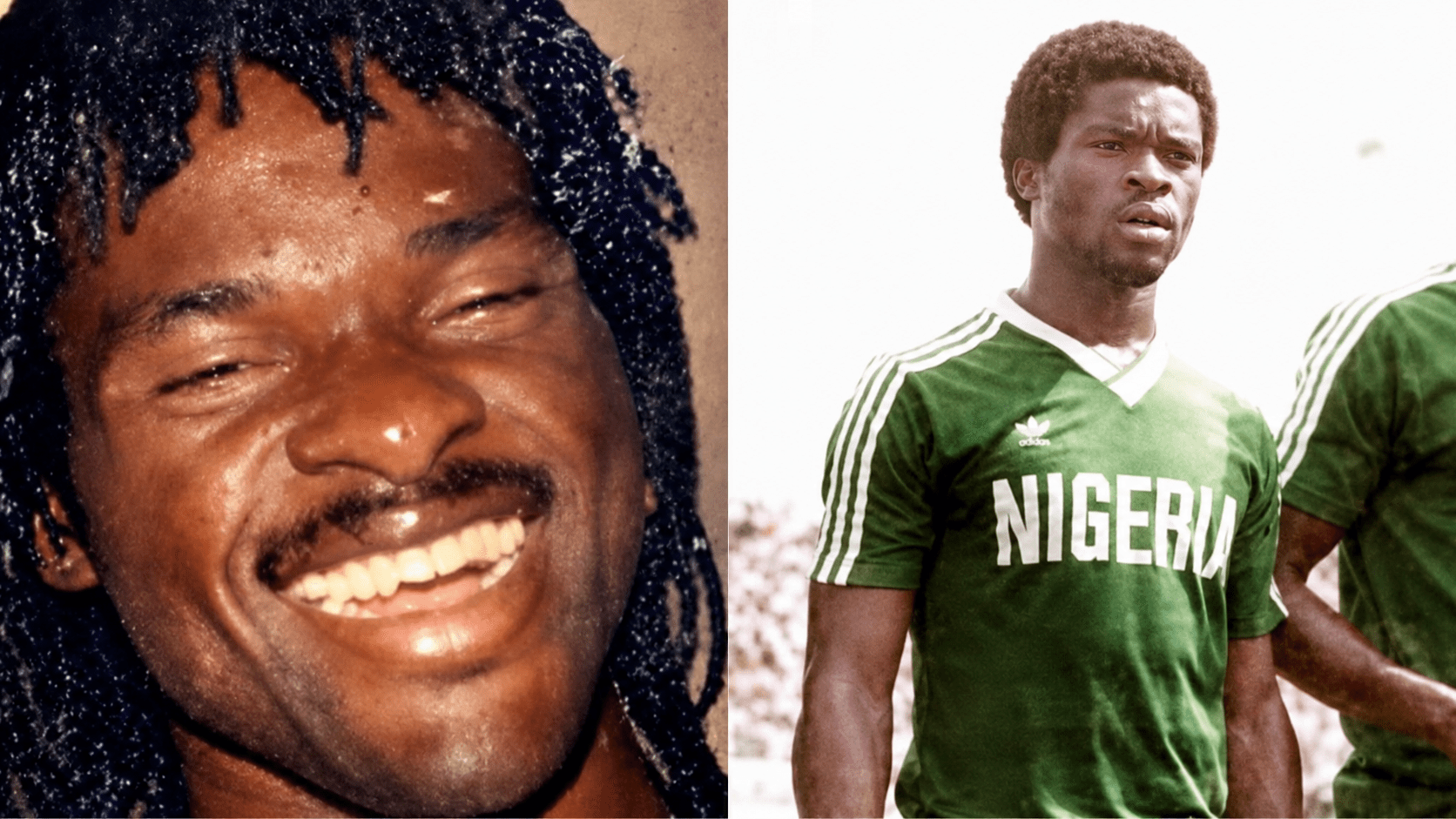 The name every Nigerian football fan knows, even those born decades after he died. A Super Eagles midfielder and qualified lawyer with a master’s degree in international law from Rome, Okwaraji once told his club that “you or your club cannot stop me from playing for my country” and refused appearance fees to prove it.

On August 12, 1989, he collapsed in the 77th minute of a World Cup qualifier against Angola at the National Stadium, Lagos, in front of over 100,000 fans crammed into a stadium built for 80,000. Nigeria went on to win the match 1-0 as he lay dying; the celebration curdled into national mourning within minutes. An autopsy found congestive heart failure caused by an undetected enlarged heart.
President Ibrahim Babangida called it “a national tragedy” and ordered flags flown at half-mast the first time Nigerian football fully confronted how unprepared it was for its own worst-case scenario.
AMIR ANGWE 29 | 1995
Six years later, on October 29, 1995, Julius Berger forward Amir Angwe came on as a second-half substitute in an African Cup Winners’ Cup semi-final against Mozambique’s Maxaquene at Onikan Stadium, Lagos.
He collapsed on the pitch and was pronounced dead of a heart attack, becoming the first home-based Nigerian player to die in action.
His team’s 1-0 win and progress to the final was overshadowed entirely; reports at the time noted Angwe had reportedly slumped in an earlier match too, a warning sign that went unheeded a pattern that would repeat itself for decades to come.
JOHN IKOROMA 17| 2000
Just a teenager, with his career still ahead of him.
In February 2000, Ikoroma was on trial with Al-Wahda in the United Arab Emirates, facing Kazakh club Astana, when he collapsed and died of a suspected heart attack before the match ended. He never got to sign the contract he had travelled thousands of miles to earn.
ENDURANCE IDAHOR 25 | 2010
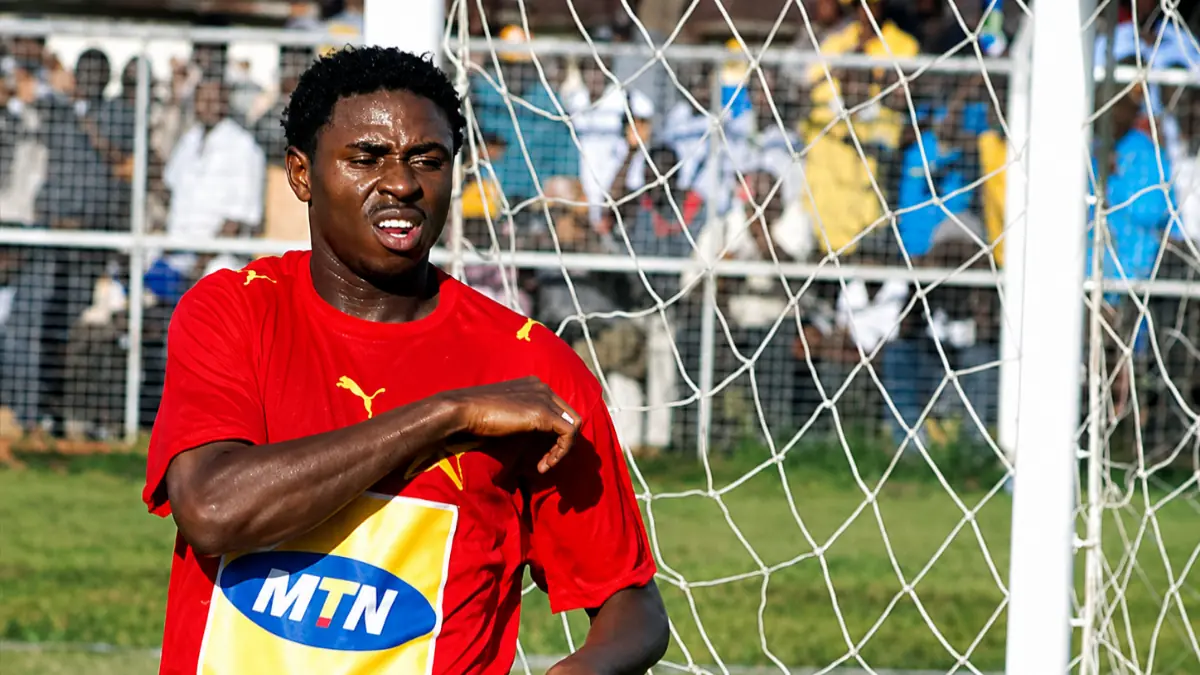
The first of three Nigerian players lost to on-pitch collapses in a single, devastating year. Idahor, who played for Sudanese club Al-Merreikh, fell during a league match against Al Amal in Omdurman on March 6, 2010, and died on the way to the hospital.
An autopsy pointed to circulatory collapse triggered by a heart attack.
EMMANUEL OGOLI 21 | 2010
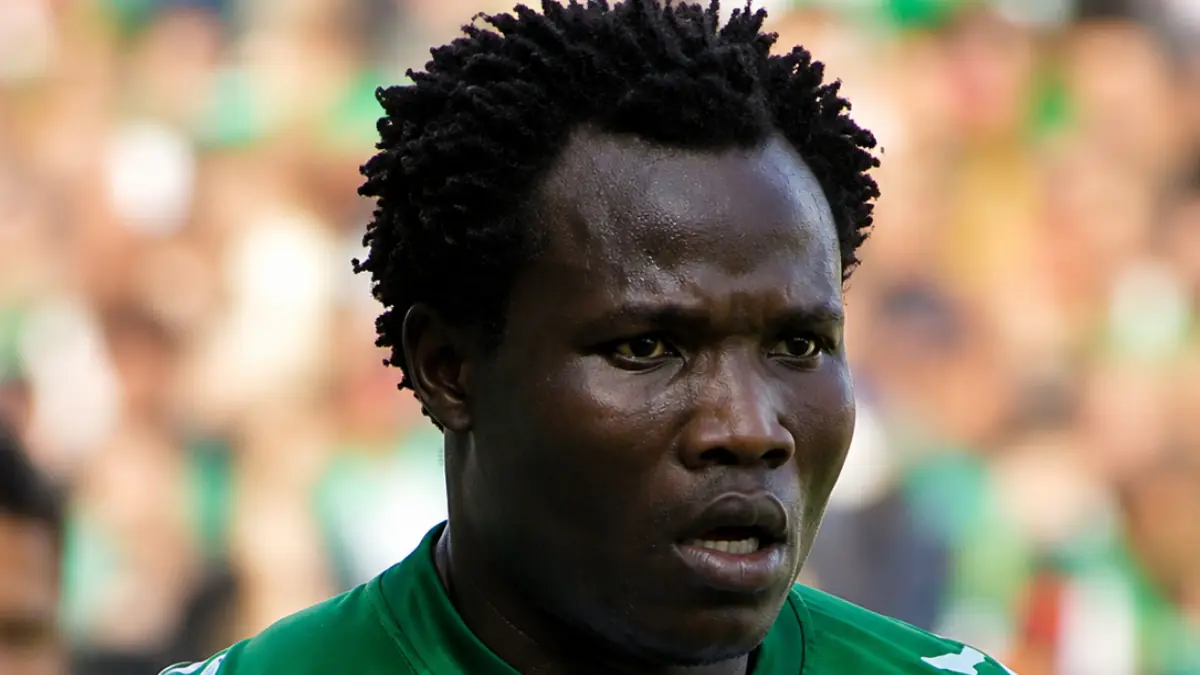
The second death of that grim 2010 stretch. Ogoli, a left-back for Ocean Boys FC, collapsed just minutes into a Nigeria Premier League match against Niger Tornadoes at the Yenagoa Stadium in Bayelsa on December 12, 2010. He was rushed to the Federal Medical Centre but pronounced dead shortly after arrival.
The Nigerian Football Federation ordered a full investigation, later linking his death to an undetected heart condition.
VICTOR OMOGBEHIN 22 | 2010
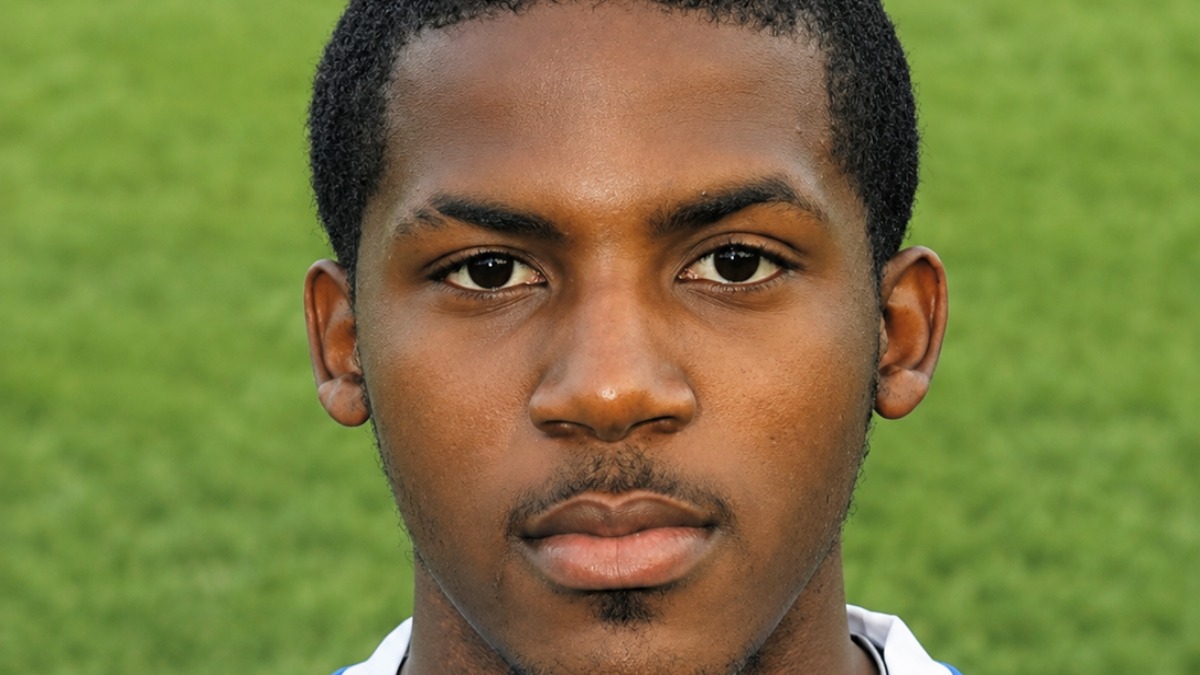
The third loss of that year: three families, three dressing rooms, three funerals in twelve months.
Omogbehin, a winger with Ilford FC in England’s Isthmian League, collapsed on August 18, 2010, while visiting a friend’s home ahead of a game against Lowestoft Town, complaining of breathlessness before he fell. He was rushed to Newham General Hospital but was pronounced dead shortly after.
A post-mortem found no definitive cause.
BOBSAM ELEJIKO 30 | 2011
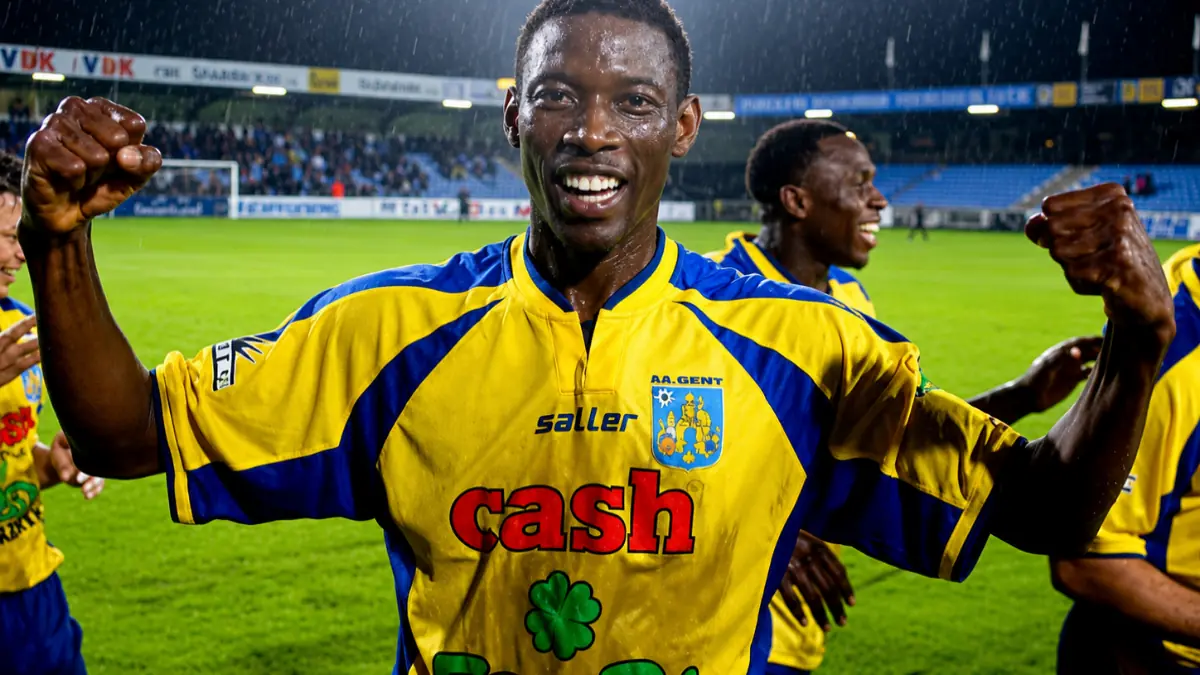
On November 13, 2011, former Nigerian youth international Bobsam Elejiko was playing for Belgian fourth-tier side Merksem S.C. against FC Kaart when he collapsed without contact midway through the first half. On-field medical staff worked to revive him, but he was declared dead shortly after; the match was abandoned. Local reports pointed to heart failure.
His death sent shockwaves through Belgium’s lower-league football community and reignited grief back home for a player still remembered for his powerful defending.
CHINONSO IHELWERE HENRY 21 | 2012
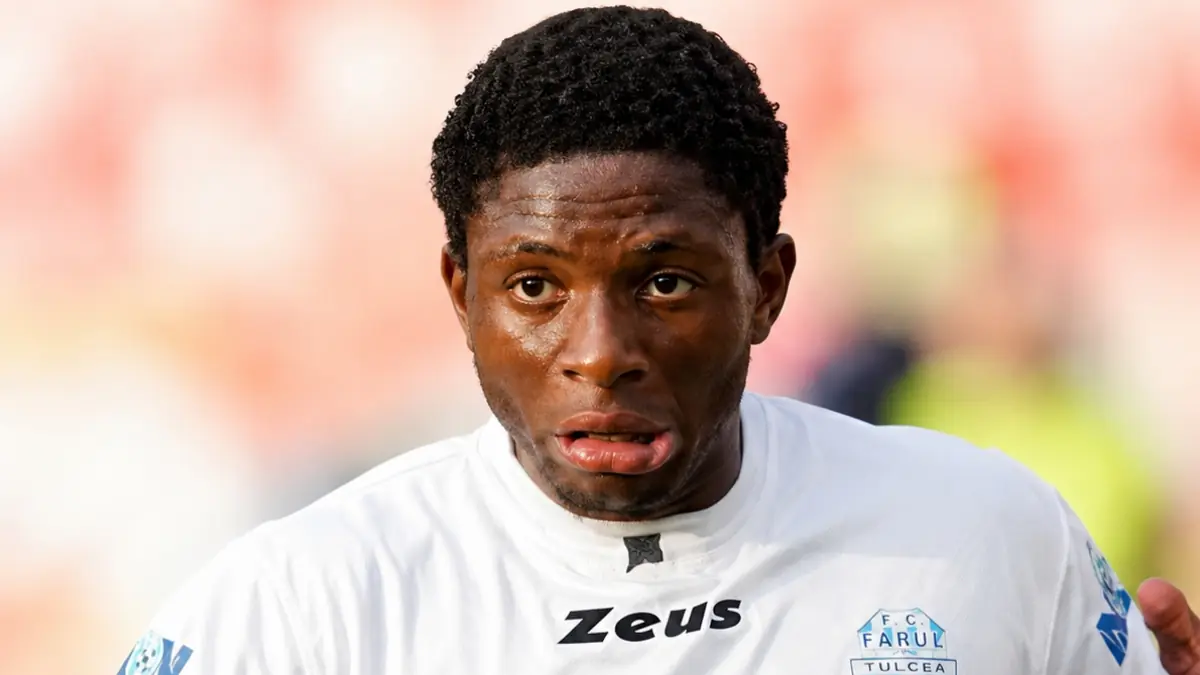
On August 5, 2012, Chinonso Ihelwere Henry, playing for Romanian second-division club CS Delta Tulcea, came on as a second-half substitute against FC Balotești.
He suffered a cardiac arrest and collapsed on the pitch; medical staff attempted to resuscitate him for over an hour before he was pronounced dead. He was just 21, a young striker who had left Nigeria for Romania in search of a breakthrough that never came.
DAVID ONIYA 30 | 2015
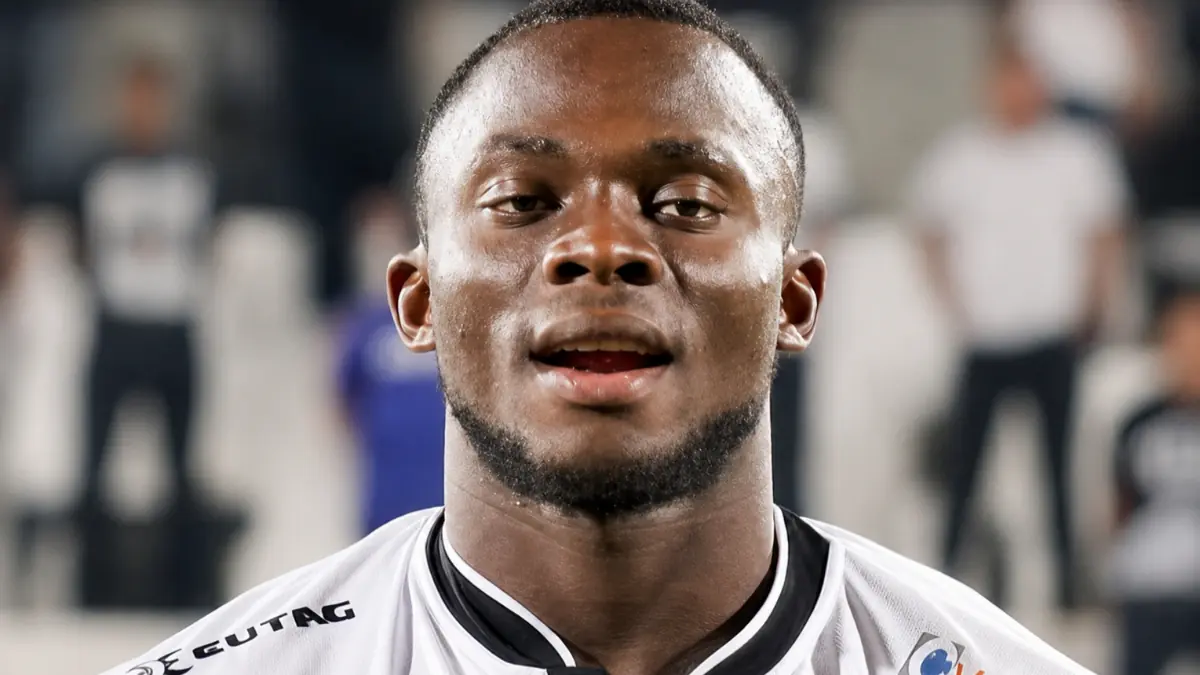
On June 13, 2015, Nigerian defender David Oniya collapsed just three minutes into a pre-season friendly for Malaysian club T-Team against Kelantan. He never regained consciousness.
Club officials later confirmed he had suffered a heart attack and had been deprived of oxygen for several critical minutes before help arrived, a detail that would echo painfully in later cases.
CHINEME MARTINS 25 | 2020
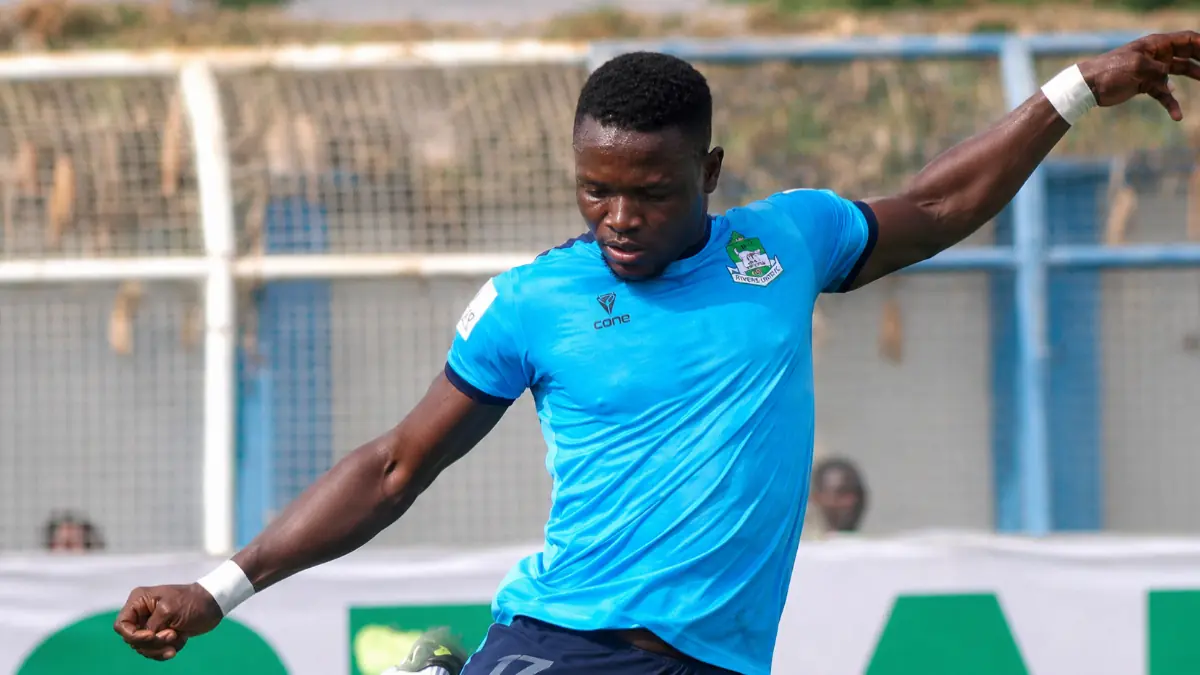
Perhaps the most consequential death on this list, not just for the tragedy itself, but for what it forced Nigerian football to admit.
On March 8, 2020, Nasarawa United defender Chineme Martins collapsed during an NPFL match against Katsina United at the Lafia Township Stadium and was pronounced dead. Investigations revealed a catalogue of failures: no medical doctor, no physiotherapist, no functional ambulance, and no working defibrillator at the venue, and, most damningly, Martins had never undergone a mandatory echocardiogram in any of his three seasons with the club, despite a family history of heart issues.
Five years later, in April 2025, Nigeria’s National Industrial Court ruled Nasarawa United, the NPFL, the NFF and the match commissioner all negligent, calling the failures “reprehensible” and ordering compensation for his family, a landmark case that FIFPRO called a milestone for player safety across African football.
Nasarawa United has since retired his jersey number, 20, in his memory.
ADO HADI BALA 21 | 2023
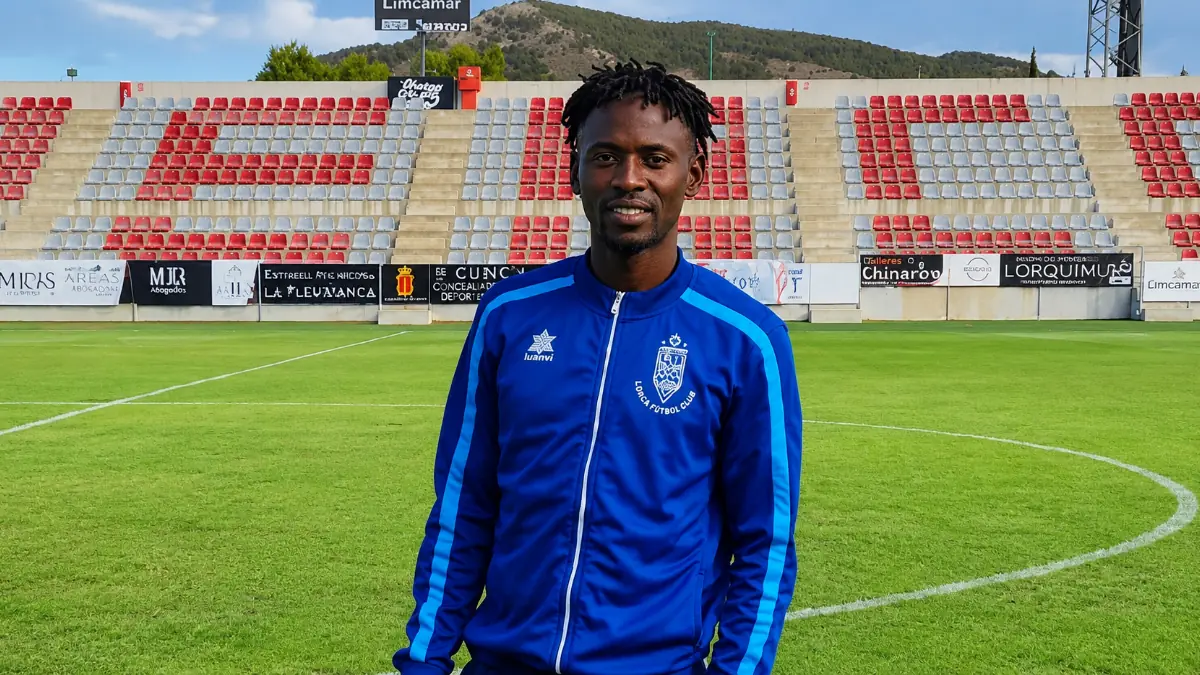
Formerly of Jigawa Golden Stars, Hadi had moved to Spain to chase his dream with CD Madridejos in the Tercera División. On February 5, 2023, he collapsed “for no apparent reason” in the 39th minute of a home match against SP Cabanillas, reportedly suffering seizures.
Emergency responders worked on him for roughly 30 minutes before he was pronounced dead at the pitch. The Castilla-La Mancha Football Federation said simply: “We have run out of words.”
MICHAEL ENERAMO 40 | 2026
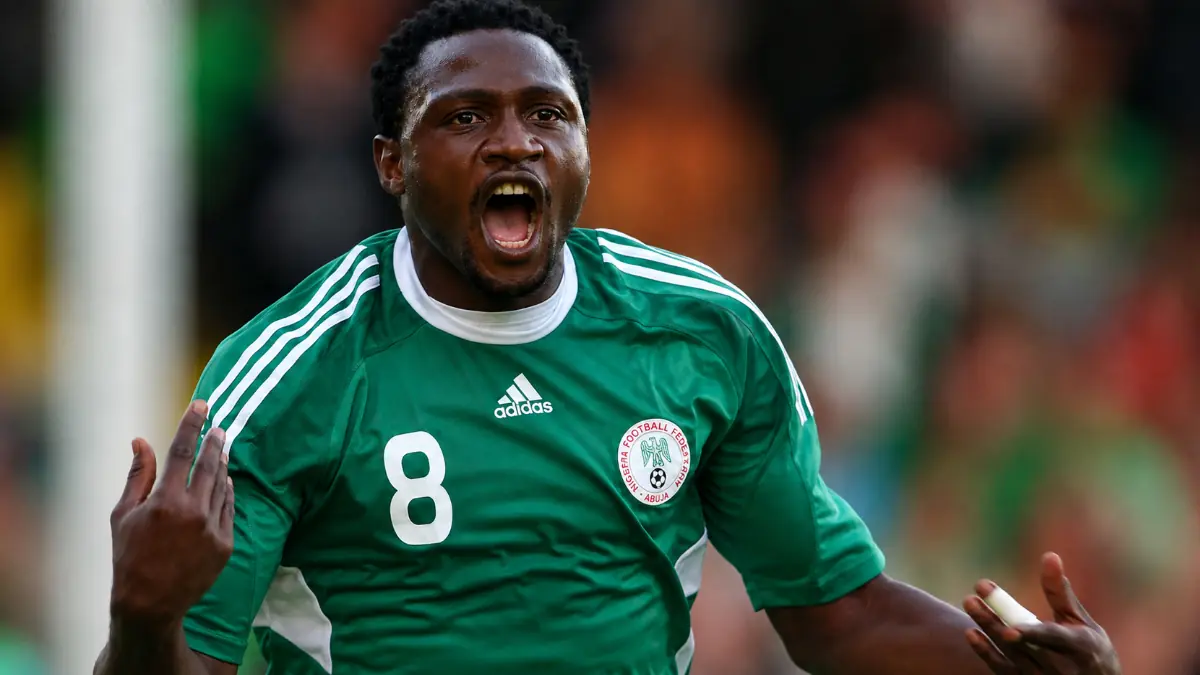 Former Super Eagles forward “The Tank”, a nickname earned during a decorated spell at Espérance de Tunis, where he won five Tunisian league titles, also played for Beşiktaş and Sivasspor in Turkey and earned 10 caps for Nigeria between 2009 and 2011.
On April 24, 2026, he collapsed in Ungwan Yelwa, Kaduna, five minutes into the second half of a local friendly, after playing the entire first half without any sign of distress. Suspected cardiac arrest.
NFF General Secretary Dr Mohammed Sanusi, reached by phone from Cairo, called it “devastating,” adding, “I can only pray that God will grant him eternal rest.”
CHINEDU OZOR 30 | 2026
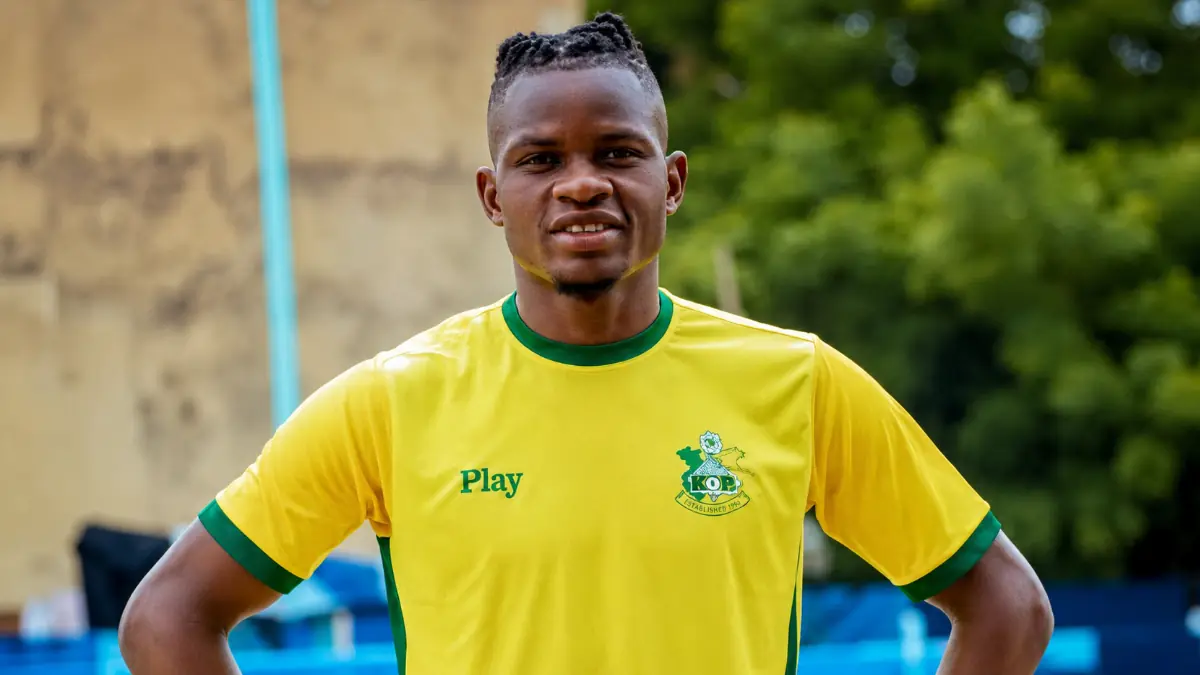
Newly signed Katsina United defender Ozor, previously of Kano Pillars, Heartland and Lobi Stars, collapsed just nine minutes into a pre-season friendly against Niger Tornadoes at the Muhammadu Dikko Stadium on August 11, 2026.
What followed was one of the most agonising 48 hours in recent Nigerian football memory: pronounced dead at a specialist hospital, then reportedly showing “signs of movement” at the mortuary, rushed back into intensive care on oxygen as a stunned nation held its breath before Katsina United confirmed his death on August 12.
The club pleaded for dignity over speculation: “What his teammates need is space to grieve. And what Chinedu deserves is to be remembered with dignity.”
THE NUMBER THAT SHOULD WORRY EVERYONE
Thirteen names. Thirty-seven years. Ages ranging from 17 to 40. Two of them this year alone. What connects nearly every case on this list, from Lagos in 1989 to Katsina this August, is not just a failing heart; it’s a failing safety net. Chineme Martins never had an echocardiogram in three seasons. Chinedu Ozor’s club had no functioning way to be certain of his death for two harrowing days. David Oniya was starved of oxygen for critical minutes while help scrambled to reach him.
The 2025 court ruling in the Martins case proved, for the first time, that Nigerian football’s governing bodies can be held legally accountable for these gaps, but a single landmark judgment doesn’t rewrite decades of underfunded medical protocols overnight.
Every name on this list was a son, a teammate, a boy or a man who ran onto a pitch believing it was just another match. Nigerian and African football owes them more than tributes. It owes them mandatory cardiac screening at every level, not just the NPFL’s marquee fixtures, functioning ambulances and defibrillators at every stadium, and a culture that treats a player’s heart with the same seriousness as his footwork.
Until that reckoning is complete, this list, painfully, is not finished.
Olumide Atiba is a sports journalist with THEWILL, known for his keen news sense and compelling storytelling. He has built a reputation for turning leads into clear, well-structured reports that resonate with readers, with a strong focus on football coverage