
-
Omar Abdulkadir Artan became the first Somali referee selected for a FIFA World Cup, after years of breaking new ground in African football.
-
His 2026 World Cup dream was cut short after he was denied entry into the United States despite being named on FIFA’s official referee panel.
-
Just months later, Artan was handed another historic assignment, becoming the first African and first non-European referee appointed to a UEFA Super Cup.
August 13, (THEWILL) — For Omar Abdulkadir Artan, 2026 was supposed to be the year everything came together. After years of climbing through Somali football and establishing himself as one of Africa’s leading referees, he had finally earned a place at the FIFA World Cup. Instead, the tournament became the backdrop to one of the most difficult moments of his career. Yet what followed turned disappointment into another piece of football history.
From Mogadishu to the International Stage
Artan was born in Mogadishu on June 6, 1992, and his route to the top of international refereeing began in much humbler surroundings. He started by officiating informal neighbourhood matches before progressing to school games and eventually the Somali league, steadily building the experience that would take him beyond Somalia’s borders.
He joined FIFA’s international referee list in 2018, marking the beginning of a new chapter. From there, his reputation grew through a series of landmark assignments that made his progress impossible to ignore. Artan was not simply becoming an international referee; he was repeatedly becoming the first Somali to reach places no Somali official had reached before.

A Decade of Historic Firsts
One of the biggest breakthroughs came at the 2024 Africa Cup of Nations, where Artan became the first Somali referee to officiate at AFCON. His progress continued into club football, where he took charge of the 2024-25 CAF Champions League final between Pyramids FC and Mamelodi Sundowns in Cairo.
That appointment made him the first Somali referee to referee a CAF Champions League final, further strengthening his credentials on the continent. In 2025, he was also selected as the only sub-Saharan African referee for the FIFA U-20 World Cup, giving him another opportunity to operate on a major global stage.
By then, Artan’s rise had moved well beyond the category of a promising referee from an emerging football nation. He had become one of Africa’s most respected officials.
READ ALSO: PSG Survive Aston Villa Fightback as Teenage Sensation Makes History in Super Cup Final
Africa’s Best Referee Then the World Cup Call Came
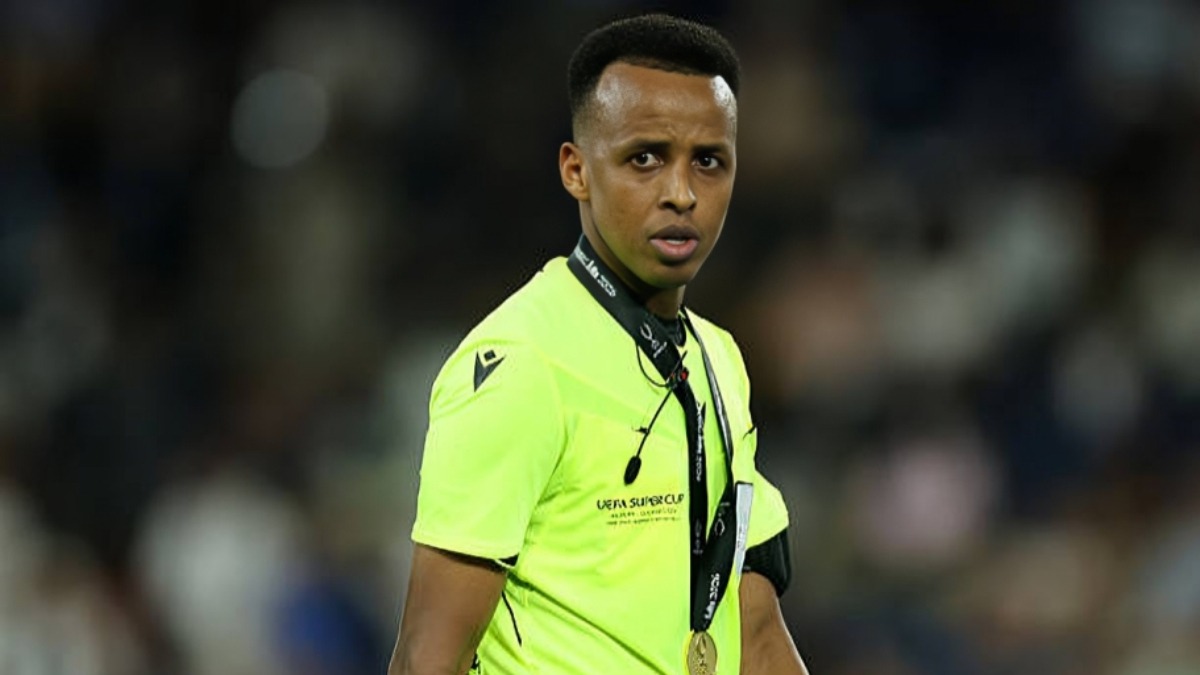
The recognition reached another level in 2025 when CAF named Artan its Men’s Referee of the Year. The award underlined how far he had come and helped put him firmly in contention for the biggest assignment available to an international official.
That opportunity arrived when he was selected as one of three African centre referees for the 2026 FIFA World Cup. In doing so, Artan became the first Somali referee ever chosen for the tournament.
For someone who had spent years progressing from local matches in Mogadishu to the biggest competitions in Africa, it was the culmination of a remarkable journey. The World Cup represented not only a personal achievement but also a historic moment for Somali football.
Then everything changed.
The World Cup Dream Ends at Miami Airport
Before the tournament began, Artan was denied entry into the United States at Miami International Airport. Despite being part of FIFA’s official referee panel, he was unable to enter the country and was subsequently removed from the World Cup assignments.
A US State Department official told AFP that Artan was considered associated with suspected members of terrorist organisations. Somalia was also among the countries affected by US travel restrictions at the time.
The decision brought an abrupt end to what should have been the biggest chapter of Artan’s career. FIFA president Gianni Infantino described the situation as “unfortunate”, while Artan later acknowledged how difficult it was to accept after spending years working toward the tournament.
The disappointment was particularly painful because the opportunity had not been lost on sporting grounds. He had earned his place through his performances and achievements, only for circumstances away from the pitch to prevent him from taking part.
Then UEFA Came Calling
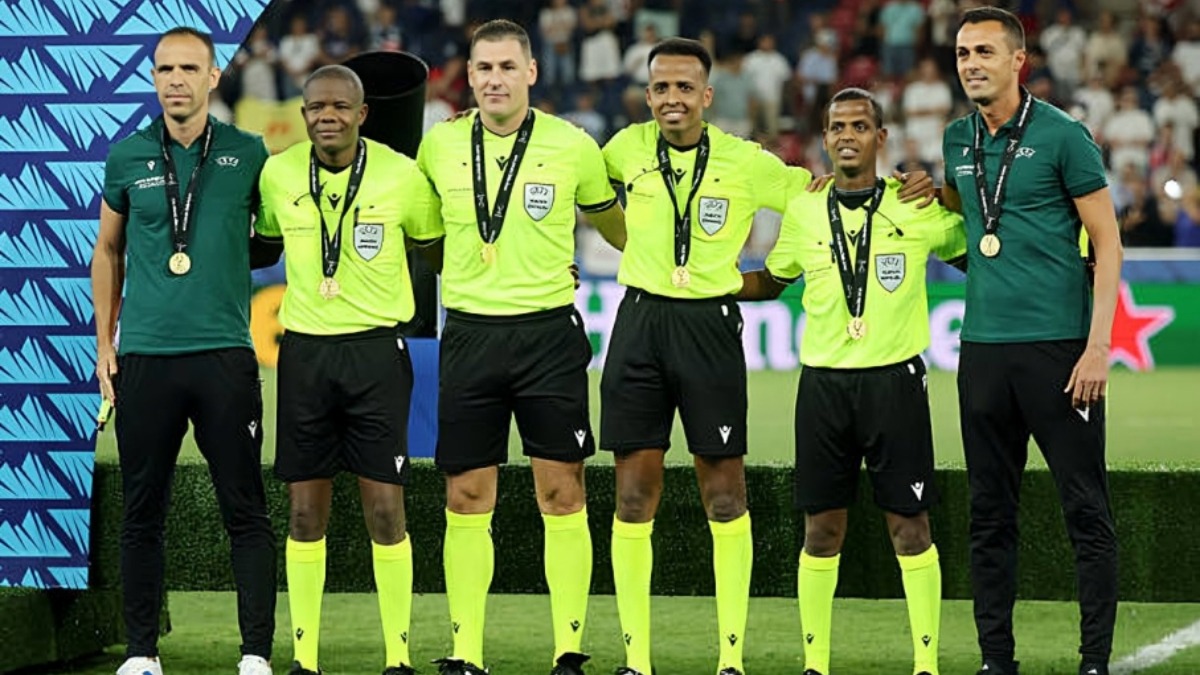
Artan’s story, however, did not stop at the airport.
Following discussions between CAF and UEFA, he was appointed on June 11, 2026, to referee the UEFA Super Cup between Champions League winners Paris Saint-Germain and Europa League winners Aston Villa. The match was played at Red Bull Arena in Salzburg on August 12.
The appointment created another historic milestone. Artan became the first African and first non-European referee to officiate a UEFA Super Cup.
Remarkably, the assignment was also his first match on European soil. The same year that saw him lose his World Cup opportunity therefore ended with him stepping into one of Europe’s most prestigious fixtures.
A Different Kind of Victory
The UEFA appointment carried significance far beyond the match itself. It represented a remarkable response to one of the biggest setbacks of Artan’s career and demonstrated the growing recognition of African refereeing talent beyond the continent.
CAF president Patrice Motsepe described the appointment as a moment of pride for Somalia and Africa, while crediting UEFA president Aleksander Čeferin for helping make the historic opportunity possible.
For Artan, the journey has always been about refusing to allow circumstances to define his ambitions. Reflecting on his path, he said: “I grew up in a difficult situation, but it didn’t prevent me from pursuing my dreams.”
That philosophy perhaps explains why the World Cup disappointment did not become the final chapter.
The Referee Who Lost One Dream and Made History Anyway
Artan’s 2026 story could easily have been remembered only for what he missed. He had reached the World Cup, only to be prevented from taking part. But football eventually offered him another stage, and he used it to make history once again.
From neighbourhood matches in Mogadishu to AFCON, the CAF Champions League final, FIFA’s Referee of the Year award and eventually the UEFA Super Cup, Artan’s career has been defined by barriers being turned into milestones.
He did not get to referee at the 2026 World Cup. Instead, he became something no African or non-European referee had been before: the man trusted to officiate a UEFA Super Cup.
For Somalia, and for African football officiating, that is a landmark that will remain long after the disappointment of missing the World Cup has faded.

Olumide Atiba is a sports journalist with THEWILL, known for his keen news sense and compelling storytelling. He has built a reputation for turning leads into clear, well-structured reports that resonate with readers, with a strong focus on football coverage
