
-
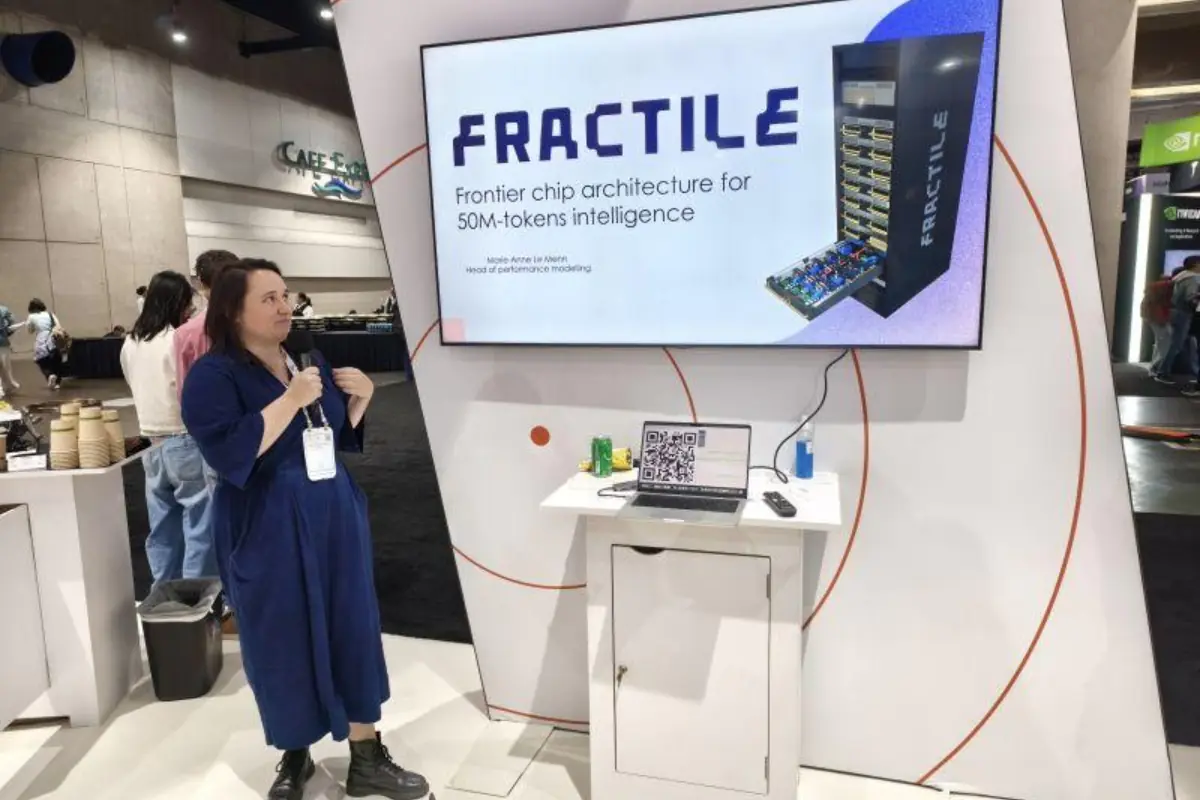
British AI chip startup Fractile has raised $720 million at a reported $7 billion valuation.
-
Its technology aims to reduce the computing costs and energy required to operate advanced AI models.
-
Britain’s government joined private investors in backing the company’s semiconductor development.
-
Fractile expects to release its first production chip in 2027.
November 12, (THEWILL) – A British technology company without a commercially released chip has persuaded investors to commit another $720 million to its future, bringing its reported valuation to $7 billion as the artificial intelligence industry confronts the rising cost of operating increasingly sophisticated models.
Fractile, founded by engineer Walter Goodwin in 2022, is developing processors designed to make AI systems faster and less expensive to run.
Its latest funding round, announced on November 11, attracted investment from Thrive Capital, Founders Fund, Lightspeed Venture Partners and Redpoint, alongside Google’s CapitalG, BlackRock, DST Global, Balderton Capital and British government-backed investors.
The financing follows a $220 million Series B round completed approximately six months earlier at a reported valuation of $1 billion.
Fractile’s value has since increased roughly sixfold, although its first production chip is not expected until 2027.
Investors are effectively backing a proposed solution to a problem that becomes more expensive as AI usage grows.

Training advanced models demands enormous computing resources, but running those models for millions of users creates recurring costs that can determine how commercially useful the technology becomes.
Every AI-generated response consumes processing capacity, and applications involving extended reasoning, software development, or automated tasks can require substantially more computation than ordinary chatbot exchanges.
Fractile believes the hardware responsible for performing that work needs a different design.
Why the Cost of Running AI Is Becoming a Major Business Concern
Much of the investment surrounding artificial intelligence has focused on training, the process through which models learn patterns from large datasets. Once training ends, however, developers must continue paying to operate their models whenever customers use them.
That process, known as inference, has become a growing commercial concern as AI systems take on more demanding tasks.
An AI assistant answering a short question may require relatively modest computing resources.
An autonomous agent reviewing documents, retrieving information and repeatedly using software tools can perform several operations before completing a single assignment.
For companies serving millions of users, those differences influence infrastructure expenses, subscription pricing and how much functionality they can afford to provide.
“The unit economics of inference have become a brutal constraint,” Goodwin wrote in a statement accompanying Fractile’s earlier fundraising.
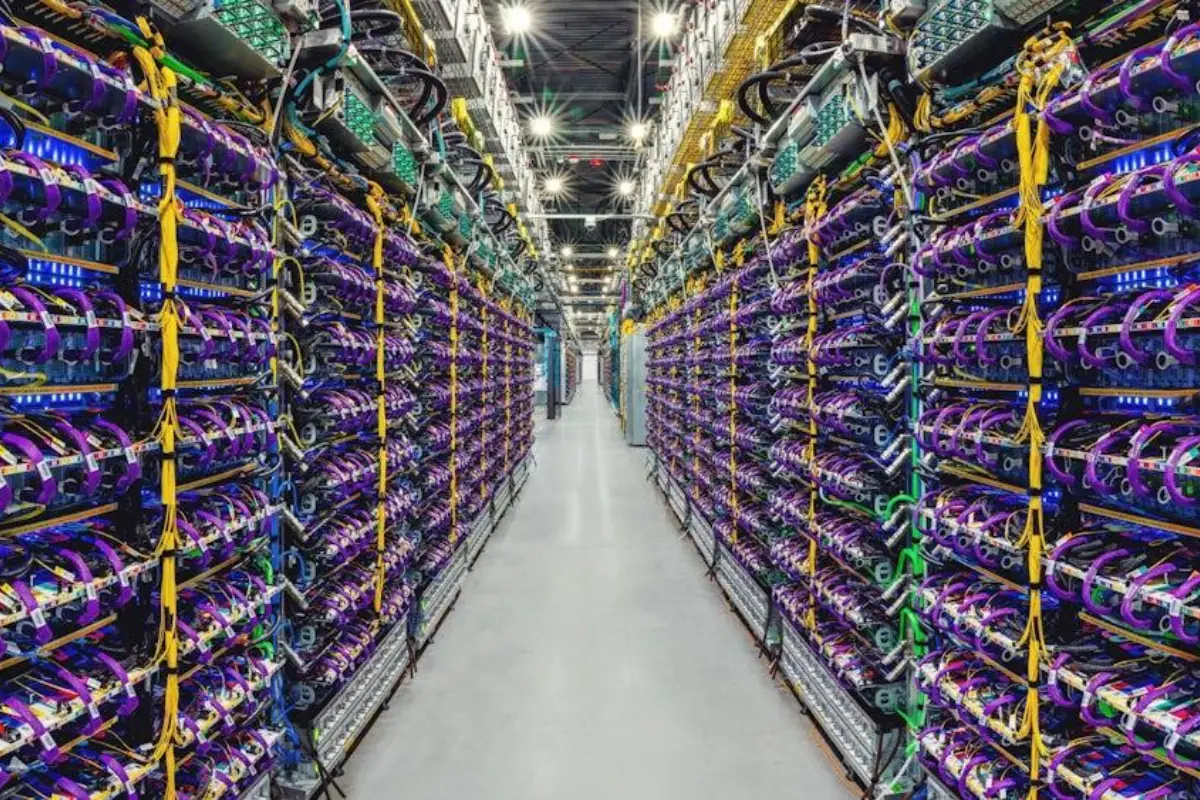
Electricity demand offers another indication of the pressure on computing infrastructure.
According to the International Energy Agency’s 2026 assessment, electricity consumption by AI-focused data centres increased by approximately 50% in 2025, compared with 17% growth across data centres generally.
The agency projects that worldwide data-centre electricity consumption could rise from 485 terawatt-hours in 2025 to approximately 950 terawatt-hours by 2030, with AI-focused facilities accounting for a growing share.
These figures include training, networking, storage and other computing activities, not inference alone. Nevertheless, increasingly demanding AI applications are contributing to the need for more processing capacity.
More efficient hardware could allow providers to serve additional customers, reduce operating expenses or support complex applications without increasing infrastructure costs at the same rate.
The actual savings would depend on the price of the equipment, the workloads performed and how efficiently customers use the available capacity.
Fractile Wants to Bring Memory Closer to Computing

A major constraint in AI computing involves how quickly processors can access the information required to perform calculations.
AI models repeatedly retrieve large quantities of numerical data, including parameters known as weights, while generating responses. Transferring that information between memory and processors consumes time and electricity.
Modern GPUs use advanced memory systems to reduce these limitations, but certain inference workloads remain constrained by the movement of data rather than processing capability alone.
Fractile is developing an architecture that places dynamic random-access memory, or DRAM, directly above its computing components, reducing the distance information must travel.
The company hopes this arrangement will improve processing speed and energy efficiency while supporting increasingly demanding AI applications.
According to the Financial Times, Fractile believes its technology could make certain chatbot responses up to ten times faster and more efficient than existing alternatives.
That remains a company performance claim rather than an independently established result across commercial deployments.
Actual performance will depend on the models tested, workload requirements and comparison hardware.
Manufacturing reliability, heat management and software compatibility will also influence how successfully Fractile can turn its design into a commercial product.
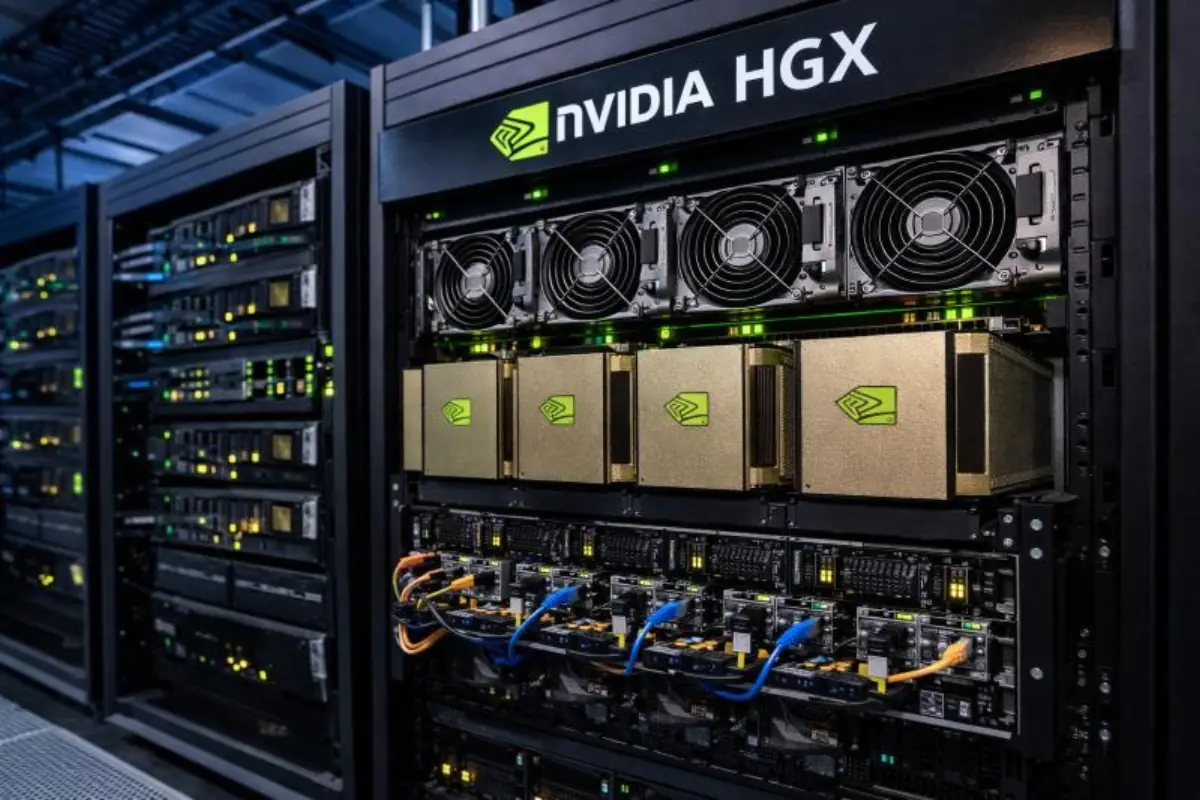
Nvidia and other semiconductor companies are already developing more efficient AI processors, giving Fractile a technically demanding market in which to establish its value.
Its first production chip, expected in 2027, will provide a more meaningful test of the company’s claims.
READ ALSO:
Britain Backs Fractile’s Ambition to Build AI Hardware at Home
Fractile’s fundraising carries significance beyond the company because Britain’s Sovereign AI fund and British Business Bank participated in the round.
The investment supports the government’s ambition to strengthen domestic capabilities in advanced computing, an industry where Britain has produced influential research and software companies but relies heavily on overseas semiconductor technology and manufacturing infrastructure.
“For too long, Britain has produced some of the world’s best scientific ideas, only to see too much of the technology, industry and wealth they create built elsewhere,” AI Minister Kanishka Narayan said in the government’s November 11 announcement.
Fractile operates in London and Bristol, where it plans to expand its engineering presence, although designing processors domestically does not eliminate dependence on international manufacturers, specialised memory suppliers and semiconductor production facilities.
Government backing could help Britain retain more engineering expertise, intellectual property and commercial activity associated with AI hardware.
Still, the investment represents support for Fractile’s development rather than evidence that its processors will outperform established alternatives.
Its reported $7 billion valuation also reflects expectations about future demand, technical performance and potential commercial adoption, not revenue already generated by the company.
Developing advanced semiconductors requires considerable investment before products reach customers.
Fractile must complete its engineering work, establish manufacturing arrangements and demonstrate that its technology can operate reliably under commercial conditions.
The funding gives it additional resources to pursue those objectives.
Cheaper AI Computing Could Change Which Products Businesses Can Afford to Build
The implications of more efficient inference extend beyond semiconductor manufacturers.
Software businesses developing AI applications must consider the cost of every request customers make.
Products that process lengthy documents, perform complex reasoning or execute repeated automated tasks can generate substantially higher operating expenses than simpler applications.
These costs influence pricing, usage limits and the types of services companies can offer profitably.
Hardware that delivers more useful computing work for less money could help developers support demanding applications, serve additional customers or offer more generous usage allowances.
Such improvements would be particularly valuable to smaller businesses that cannot finance extensive computing infrastructure.
However, lower processing costs would not necessarily produce an equivalent reduction in consumer prices.
Providers could use the savings to introduce more capable features, increase capacity or improve profitability, while greater usage could offset some of the efficiency gains.
Fractile’s funding reflects investor expectations that demand for inference will continue expanding as AI becomes embedded in more software products and business processes.
The company must now demonstrate that its processors can make that computing meaningfully faster or cheaper than established alternatives.
Goodwin founded Fractile around the belief that the cost and speed of running AI would eventually constrain what developers could deliver.
Four years later, investors have committed substantial capital to that proposition.
Its first commercially deployed chips will show how much of the promised improvement survives beyond engineering projections and investor expectations.

Joy Onuorah is a business journalist and brand communications specialist covering financial markets, artificial intelligence, digital economy, and the ideas reshaping business across Africa and the global market. Beyond her reporting for TheWill, Joy uses brand strategy, storytelling, copywriting, and high-value SEO to help brands build lasting market authority.
