
-
Federal Government presents its Renewed Hope housing PPP model at a continental forum attended by delegations from 36 African countries.
-
The initiative targets 100,000 housing units, using private-sector construction and government-backed measures to reduce project risks and financing costs.
-
The government says concessionary loans, mortgage support and guaranteed demand have helped reduce the project’s effective cost by about 30 percent.
October 19, (THEWILL) – The Federal Government has presented its Renewed Hope Housing Public-Private Partnership model to African policymakers and infrastructure experts, as Nigeria seeks to attract private capital into housing delivery and encourage other countries to adopt similar financing structures.
The Director-General of the Infrastructure Concession Regulatory Commission, Dr Jobson Oseodion Ewalefoh, presented the model at the Second Forum for Public-Private Partnership Units in Africa, held at the United Nations Economic Commission for Africa headquarters in Addis Ababa, Ethiopia.
The forum, which attracted delegations from 36 African countries, was co-organised by the United Nations Economic Commission for Africa, the African Development Bank and the African Legal Support Facility under the theme, Making Social Sector PPPs Work: From Policy Ambition to Effective Service Delivery.

Nigeria was among five countries, alongside Malawi, Kenya, Djibouti and Côte d’Ivoire, that presented projects during a forum clinic examining how public-private partnerships could improve the delivery of housing, healthcare, education, sanitation and water.
According to the ICRC, the Renewed Hope Cities programme targets the delivery of 100,000 housing units across selected Nigerian cities through private-sector participation, supported by government measures intended to reduce financing and commercial risks.
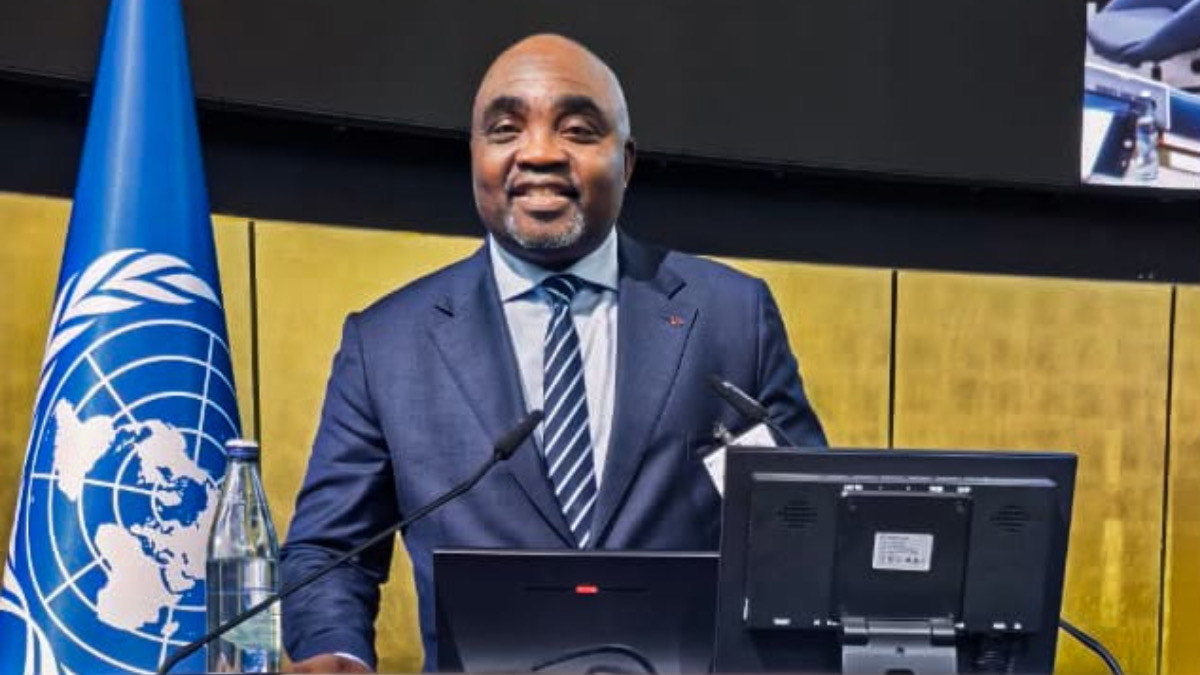
Government de-risks housing investment
Speaking at the forum, Ewalefoh said the Nigerian model differed from conventional public-private partnerships because the private partner provides the land, designs the development, arranges financing and undertakes construction.
Under the arrangement, the Federal Government focuses on removing barriers that could discourage private investors, rather than directly financing the entire construction cost.
“The beauty of this PPP structure is that it is not the conventional PPP. In this case, the private party owns the land, has the design, is financing it and is doing the construction,” he said.
He added that the government’s contribution was to de-risk the project and make it commercially viable.
According to the commission, the government has designated middle-income federal civil servants as prospective off-takers, helping to provide a defined market for the homes.
It has also committed to providing access roads to the semi-urban project sites.
The financing arrangements include about $19m in single-digit-interest funding through the Federal Mortgage Bank of Nigeria and another $20m in concessionary loans through the Family Homes Fund.
Additionally, the Ministry of Finance Incorporated Real Estate Investment Fund, known as MRIF, is providing about $112m to support lower mortgage rates for eligible buyers.
The commission said the sale prices were negotiated with the developer to improve affordability, while a limit of one housing unit per buyer was introduced to discourage speculative purchases.
Together, these measures are estimated by the government to have reduced the project’s effective cost by about 30 percent.
READ ALSO:
$125m investment structure
The ICRC said the arrangement demonstrated how government interventions could mobilise private investment without requiring the public sector to finance the full cost of housing construction.
According to Ewalefoh, the project’s construction cost stands at about $125m in private-sector investment, with approximately $39m in concessionary financing helping to unlock the development.
“Government does not need to finance housing capital projects. It can crowd in private capital through policy, land availability and off-taker facilitation to create a replicable, scalable model for housing delivery,” he told delegates.
The structure is intended to address some of the financing barriers facing housing developers and prospective buyers in Nigeria.
With commercial lending rates exceeding 23 percent, according to the figures presented by the commission, borrowing at prevailing market rates can make housing projects expensive and mortgage payments unaffordable for many households.
Concessionary financing and government-backed demand are therefore designed to lower financing costs and reduce the risk that completed houses will remain unsold.
However, the long-term success of the arrangement will depend on the actual cost of completed homes, buyers’ ability to secure mortgages, construction timelines and the extent to which the planned units are delivered.
The commission did not provide a detailed breakdown of the housing units completed, occupied or sold under the programme in the material supplied.
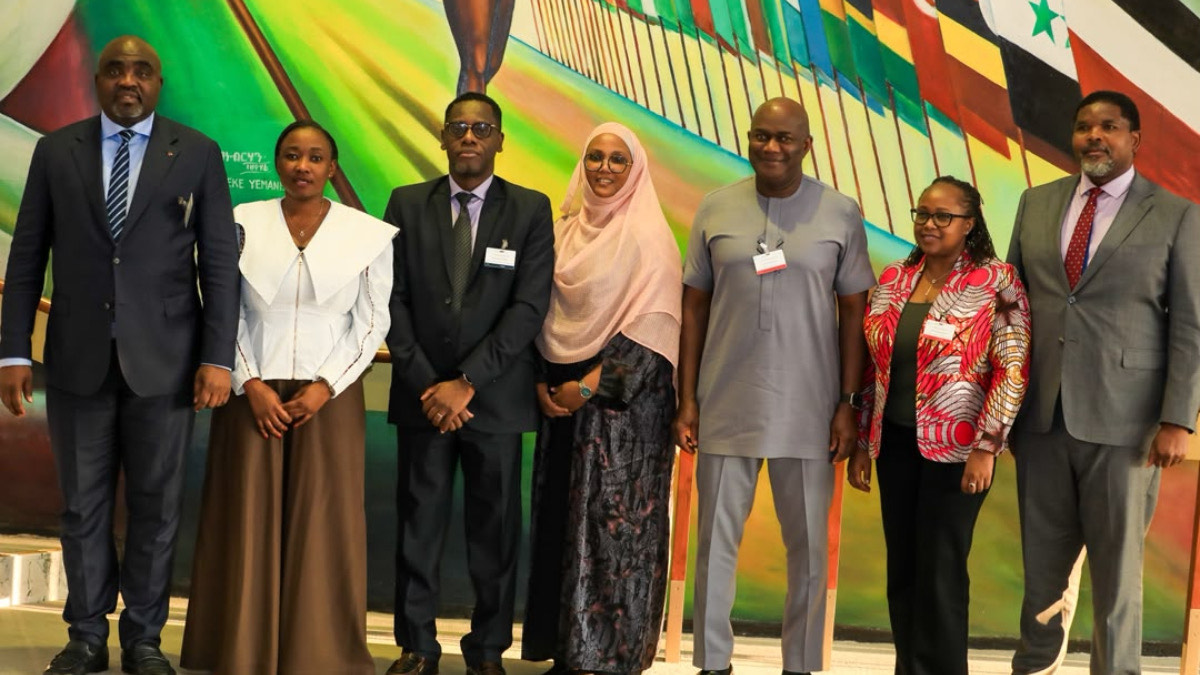
African countries explore replication
The Nigerian model attracted interest during the forum’s question-and-answer session, particularly around its use of prospective government-worker buyers and concessionary financing to reduce investment risks.
Delegates sought information on how the mechanisms could be adapted to their own national housing programmes.
The wider forum examined the challenges of financing social infrastructure, where user charges alone may not generate enough revenue to cover investment costs while keeping services affordable.
Discussions covered risk allocation, availability payments, viability-gap funding, subnational PPP arrangements and contract management.
The exchange also allowed participating countries to share experiences with projects that had succeeded or encountered implementation difficulties.
The ICRC said Nigeria’s delegation gained lessons from other countries’ approaches to structuring, risk allocation and project delivery, which could inform the development of Nigeria’s wider social-sector PPP pipeline.
For Nigeria, the interest from other African countries offers an opportunity to showcase its approach to mobilising private investment.
Whether the model can be replicated successfully elsewhere, however, will depend on each country’s financing capacity, housing demand, regulatory framework and ability to provide credible support without creating unsustainable fiscal obligations.

Ogochukwu Onwaeze is a writer specializing in business and economic journalism. At THEWILL News Media, she translates market trends, financial developments, and policy shifts into clear and engaging stories.
