
-
NEC approves 90-day economic action plan to reduce the cost of living and improve food affordability nationwide.
-
Five key areas targeted are food affordability, tax harmonisation, high-impact projects, investment bottlenecks, and regulated household support.
-
National project dashboard approved to track projects and monitor the use of funds, including proceeds from petrol subsidy removal.
-
FG targets single-digit inflation and interest rates by 2027, with Finance Minister Taiwo Oyedele seeking stronger federal-state coordination.
October 22, (THEWILL) – The National Economic Council (NEC) has approved a 90-day economic action plan aimed at easing the cost of living crisis, improving food affordability and accelerating projects with direct benefits for Nigerians.
The plan, proposed by the Federal Ministry of Finance, was approved at the 161st meeting of NEC, held virtually on Thursday and chaired by Vice President Kashim Shettima.
The approval followed a presentation by the Minister of Finance and Coordinating Minister of the Economy, Taiwo Oyedele, on the country’s economic outlook and the next phase of the Federal Government’s reform programme.

According to a statement issued by Stanley Nkwocha, Senior Special Assistant to the President on Media and Communications in the Office of the Vice President, the action plan is intended to consolidate the gains of President Bola Tinubu’s economic reforms while ensuring that improvements in economic indicators translate into tangible benefits for households and businesses.
“The National Economic Council (NEC) has endorsed a 90-day economic action plan proposed by the Federal Ministry of Finance to consolidate gains from President Bola Ahmed Tinubu’s economic reforms,” the statement said.
The plan focuses on five priority areas: food affordability, tax harmonisation, completion of high-impact projects, resolution of investment bottlenecks and regulated household support.
According to the statement, the measures are designed to reduce the cost of living, improve access to affordable food, attract investment and accelerate the delivery of projects that directly benefit Nigerians.
NEC Approves National Project Dashboard
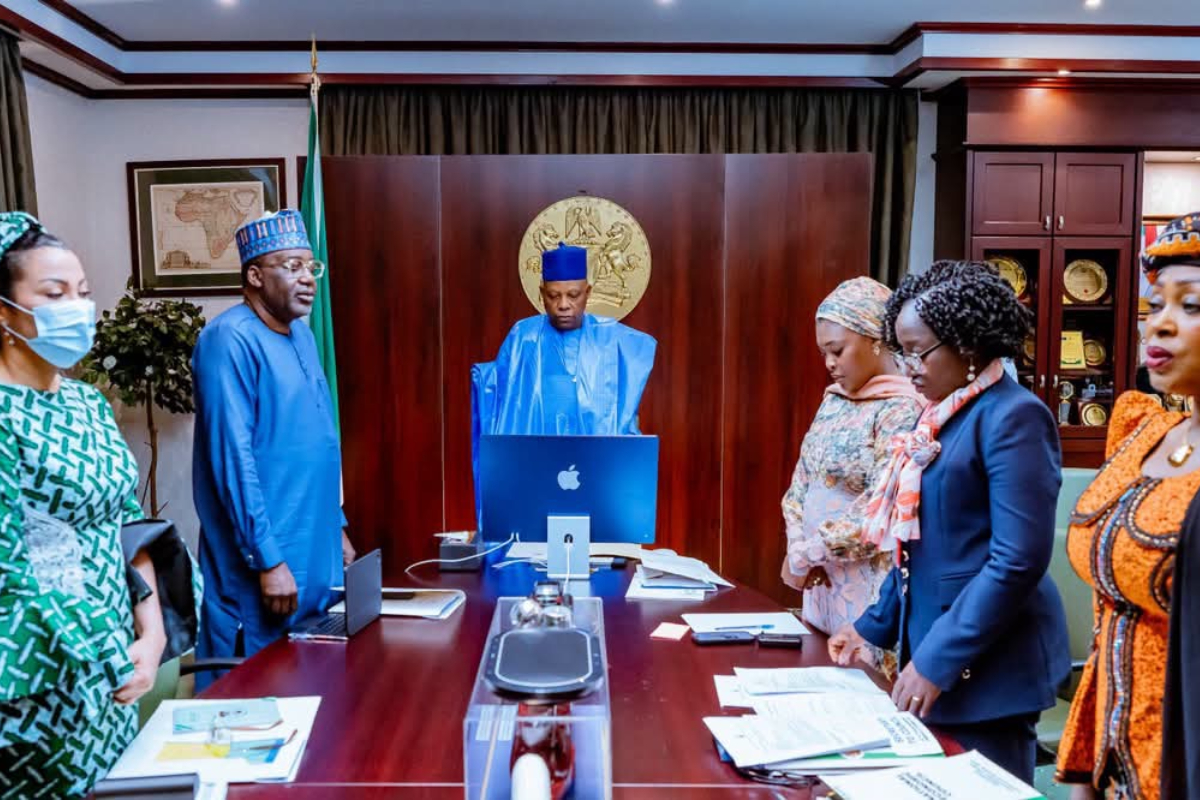 As part of the measures, NEC also approved the establishment of a national dashboard to monitor ongoing projects across the country.
The dashboard is expected to strengthen transparency and accountability by providing a mechanism for tracking the progress and implementation of projects across the federation.
It will also be used to monitor how proceeds from the removal of the petrol subsidy are being utilised, amid continuing demands for greater accountability over the financial benefits of the policy.
The initiative is expected to provide the Federal Government and other stakeholders with a clearer picture of the status of projects and help ensure that resources are deployed to priority areas.
READ ALSO:
Oyedele Targets Single-Digit Inflation, Interest Rates

Presenting the economic outlook, Oyedele expressed optimism about the progress of the administration’s reforms and the prospects of further economic recovery.
He identified the reduction of headline inflation and interest rates to single digits by 2027 as key policy objectives.
The minister, however, said the next phase of the reforms would require stronger coordination between federal and state institutions to ensure effective implementation.
The presentation also highlighted the need to translate improvements in key economic indicators into tangible relief for households and businesses.
To achieve this, the government is expected to focus on targeted interventions, improved fiscal coordination and the removal of barriers constraining investment.
Five-Point Action Plan
Under the 90-day programme, food affordability has been prioritised as the government seeks to ease pressure on households facing elevated food prices.
Tax harmonisation is also expected to help streamline the tax environment and reduce uncertainties for businesses, while the completion of high-impact projects is aimed at ensuring that government investments deliver measurable economic and social benefits.
The government will also focus on resolving investment bottlenecks that could discourage domestic and foreign investment, while regulated household support is expected to provide targeted assistance to vulnerable Nigerians.
The measures form part of the Federal Government’s broader attempt to strengthen the impact of its economic reforms and address concerns over the immediate hardship associated with the adjustment process.

Felix Ifijeh is a journalist with years of professional reporting experience. Known for his keen news sense, compelling storytelling and commitment to accurate, impactful reporting, he has built a reputation for turning leads into clear, engaging, and well-structured reports that resonate with readers. His work reflects deep newsroom experience and a commitment to accurate, impactful journalism.
