
-
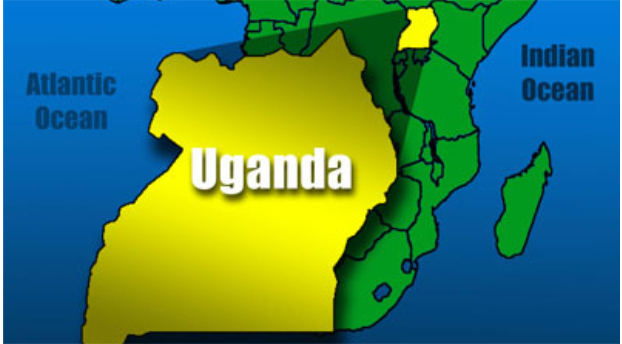
Uganda says it has no confirmed active Ebola cases, insisting that the woman diagnosed in Abuja is a Nigerian who merely transited through the country after travelling to eastern Democratic Republic of the Congo.
-
Ugandan authorities say the patient showed no symptoms while passing through the country and caution that her transit through Uganda does not establish where she contracted the deadly virus.
-
Kampala has asked Nigeria for the patient’s detailed travel itinerary and clinical history to help investigators establish the source of infection and determine whether further contact tracing is required.
-
Nigeria has placed the patient in isolation and identified 44 contacts for monitoring as authorities intensify efforts to prevent the imported infection from triggering local transmission.
October 21, (THEWILL) – Uganda has denied having any confirmed active case of Ebola, saying the Nigerian woman diagnosed with the deadly virus in Abuja had travelled to eastern Democratic Republic of the Congo (DRC) before transiting through Uganda on her way to Nigeria.
The clarification by Uganda’s Ministry of Health has introduced a crucial dimension to investigations into the source of Nigeria’s confirmed imported Ebola case, after Nigerian authorities initially disclosed that the patient had arrived on an international flight from Uganda.
In a statement signed by its Director-General of Health Services, Prof. Charles Olaro, the Ugandan Ministry of Health said preliminary investigations established that the woman is a Nigerian national who had travelled to eastern DRC for business before passing through Uganda in early October.

The ministry said the woman did not display symptoms of Ebola while in Uganda and only became symptomatic after arriving in Nigeria. It stressed that travelling through Uganda was not proof that she contracted the virus there, saying investigations were still underway to establish the actual location of exposure.
“Travel through Uganda does not establish that infection occurred here. The location of exposure remains under investigation”, the ministry said.
Ugandan authorities also said Nigeria had yet to provide detailed information about the woman’s travel itinerary and clinical history, which would be required to guide further investigations and determine whether additional contact tracing was necessary.
“We wish to clarify that, as at the time of this statement, Uganda has no confirmed active Ebola cases”, Olaro said.
The clarification followed Nigeria’s confirmation on Tuesday of an Ebola Bundibugyo virus disease case in the Federal Capital Territory (FCT).
READ ALSO:
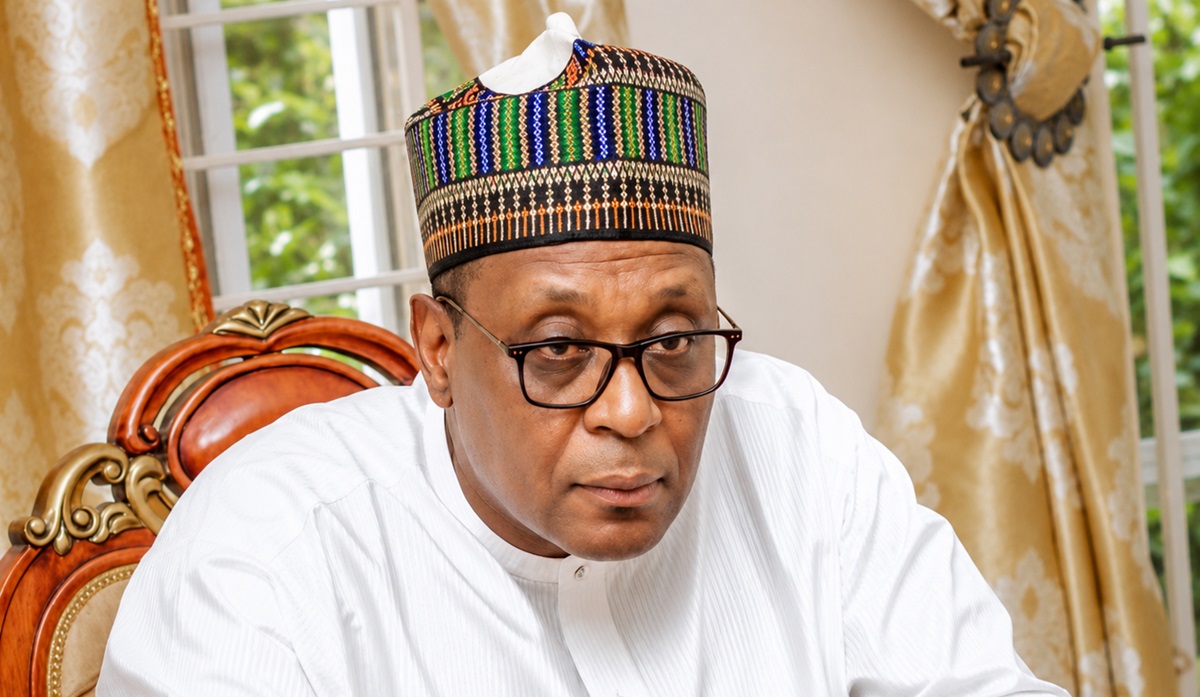
The Coordinating Minister of Health and Social Welfare, Prof. Muhammad Ali Pate, said laboratory tests confirmed the infection after the woman, who recently arrived in Nigeria from Uganda, sought medical attention at a private hospital in Abuja.
The patient developed symptoms on October 7 and presented at the private health facility on October 11. Her condition subsequently deteriorated before laboratory tests confirmed Ebola. She has since been isolated and is receiving medical care.
Pate said health authorities had commenced contact tracing, with 44 people who may have been exposed already identified for monitoring.
The contacts include healthcare workers, patients, caregivers and travel contacts, while public health teams continue efforts to identify other persons who may have encountered the patient.
The Federal Government is currently treating the infection as an imported case rather than evidence of community transmission. The 44 identified contacts are expected to remain under surveillance for the 21-day Ebola incubation period.
Meanwhile, Uganda said it was strengthening screening and other public health controls at its points of entry as authorities monitor developments surrounding the Nigerian case.
The Ugandan government said limited provisions remained in place for humanitarian and diplomatic movement and urged the public to remain calm and vigilant, maintain regular handwashing and sanitising and rely on official health information.
Background
The dispute over the patient’s likely place of infection comes against the backdrop of a major Ebola Bundibugyo outbreak that began in the Democratic Republic of the Congo in May.
Uganda recorded 20 cases in May and June, most of them imported from the DRC, before the World Health Organisation declared the country free of the virus in August.
The latest Nigerian patient had travelled to eastern DRC, where the outbreak has been concentrated, before passing through Uganda. Ugandan authorities say she was asymptomatic during her transit, leaving the precise location of her exposure under investigation.
The DRC outbreak has since spread across several provinces and beyond the country’s borders. By mid-October, more than 9,000 cases and over 4,000 deaths had been reported, making it the world’s second-largest recorded Ebola outbreak.
Kenya has also been battling infections linked to an imported case. As of October 20, Kenyan health authorities had confirmed nine cases, all linked to the original cluster, with no evidence at the time of transmission beyond the identified chain.
Nigeria’s Abuja case is its first confirmed Ebola infection since the 2014 West African epidemic reached the country. During that outbreak, Nigeria recorded 20 cases and eight deaths before successfully interrupting transmission.
The latest case has prompted Nigerian authorities to reactivate Ebola response mechanisms, strengthen surveillance and begin tracing possible contacts of the infected patient.
The Nigeria Centre for Disease Control and Prevention (NCDC), Federal Ministry of Health and Social Welfare and FCT health authorities are coordinating measures aimed at containing the infection and preventing onward transmission.
Felix Ifijeh is a journalist with years of professional reporting experience. Known for his keen news sense, compelling storytelling and commitment to accurate, impactful reporting, he has built a reputation for turning leads into clear, engaging, and well-structured reports that resonate with readers. His work reflects deep newsroom experience and a commitment to accurate, impactful journalism.
