
-
The Nigeria Customs Service generated ₦4.03trn in revenue in the first half of 2026, putting it well ahead of its mid-year pace and strengthening its prospects of meeting the ₦11.074trn target set for the full year.
-
Comptroller-General Adewale Adeniyi attributed the increase to automation, intelligence-led enforcement and the replacement of manual customs processes with standardised rules and data-driven systems.
-
Customs is also seeking changes to import waivers and concessions and a review of the Nigeria Customs Service Act 2023 as it balances higher revenue collection with trade facilitation.
August 11, (THEWILL) — The Nigeria Customs Service generated ₦4.03 trillion in revenue in the first half of 2026, placing the agency on a strong trajectory towards its ₦11.074 trillion full-year revenue target.
Comptroller-General of Customs, Adewale Adeniyi, disclosed the performance in a compendium, attributing the increase to the Service’s ongoing automation programme, intelligence-led enforcement and efforts to reduce human discretion in customs operations.
The H1 performance means Customs has already generated about 36 percent of its annual target in six months. However, the second half of the year would need to deliver substantially higher collections for the agency to meet the target.

Adeniyi said the revenue improvement was driven by the replacement of manual interventions with standardised rules, risk-based systems, automated valuation references and data-driven targeting.
Technology drives collection
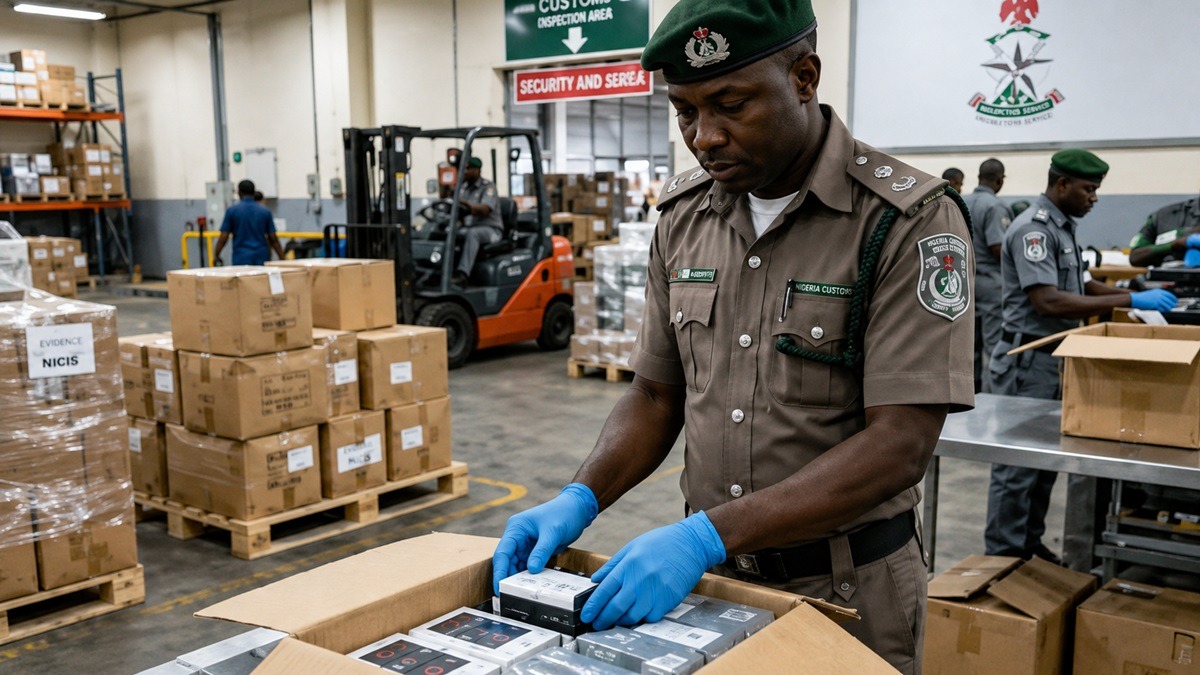
According to Adeniyi, reducing human discretion in customs procedures has been central to the Service’s modernisation efforts. He said technology was being deployed to reduce vulnerabilities in customs operations while making the process more predictable for compliant traders.
Adeniyi said the reforms were intended to increase revenue without creating additional obstacles for businesses engaged in legitimate international trade.
The Service has also adopted Time Release Studies to measure how long cargo takes to move through ports and borders. The approach is designed to identify bottlenecks, reduce clearance delays and lower the cost of doing business for importers and exporters.
Beyond revenue collection, Adeniyi said Customs now had a broader responsibility covering trade facilitation, data generation for national planning and border security.
The agency has also increased its use of geospatial intelligence, digital surveillance and collaboration with other security agencies to strengthen enforcement against smuggling.
₦11trn target ahead
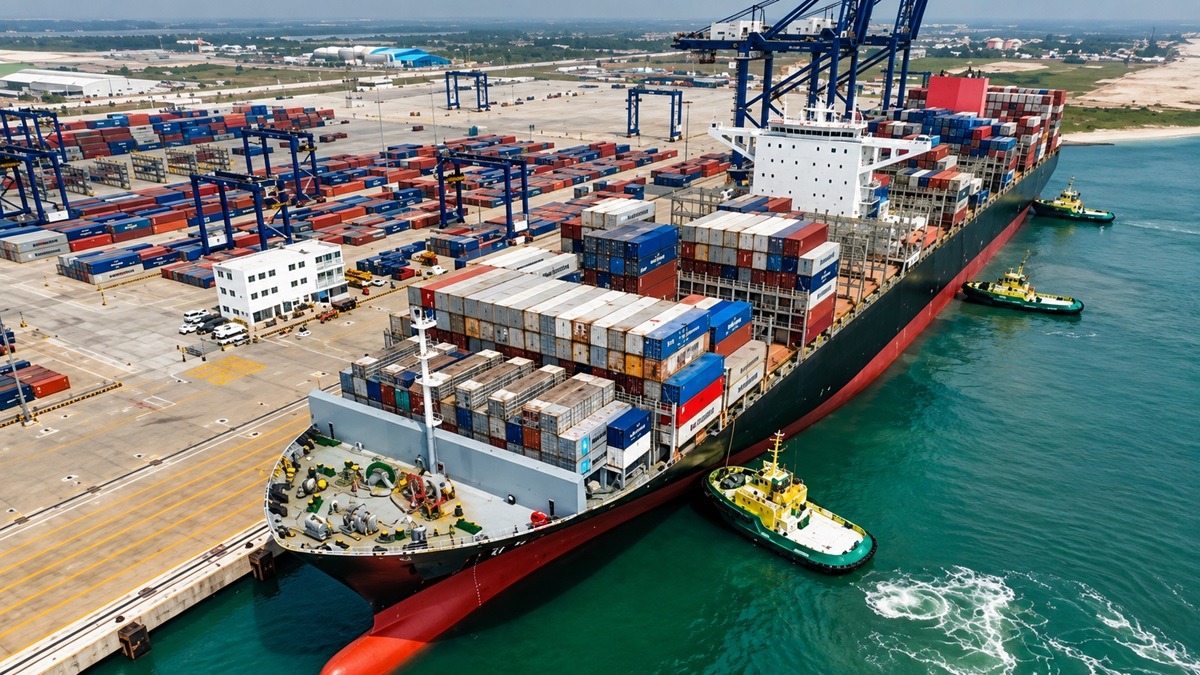
Customs set a revenue target of ₦11.074 trillion for 2026, significantly above its ₦6.584 trillion target for 2025. The Service exceeded its 2025 target, generating ₦7.277 trillion during the year.
The 2026 target comprises ₦5.542 trillion expected for the Federation Account, ₦1.491 trillion in non-Federation revenue, ₦2.773 trillion from Import VAT and ₦1.266 trillion from the four per cent Free-on-Board levy.
The Senate approved the Service’s 2026 budget and revenue target on July 8. Customs generated ₦3.35 trillion in the first five months of 2026, with June alone adding about ₦680 billion to its revenue tally.
However, achieving the full-year target would require the Service to maintain strong collections through the remaining six months.
READ ALSO: Discos’ Revenue Rises By 24% as Metered Customers Increase in Q4 2025
Customs seeks policy changes
The Service is also seeking changes to policies that affect revenue mobilisation and Nigeria’s wider trade environment.
Customs has urged the National Assembly to review the country’s import waiver and concession regime, questioning whether some incentives continue to justify their fiscal cost and remain aligned with their original economic objectives.
Adeniyi has also called for a post-implementation review of the Nigeria Customs Service Act 2023. He argued that three years of implementing the law had provided sufficient experience to identify provisions that may need adjustment as Nigeria’s trade environment changes.
The push for higher revenue therefore comes alongside efforts to modernise customs administration, reduce clearance delays and make border operations more efficient for legitimate businesses.

Ogochukwu Onwaeze is a writer specializing in business and economic journalism. At THEWILL News Media, she translates market trends, financial developments, and policy shifts into clear and engaging stories.
