
-
CBN allows banks to sell up to $1m in physical dollars to BDC operators.
-
The new arrangement lifts the previous 25 percent cash access restriction.
-
The move comes amid renewed pressure on the naira and seasonal demand for foreign exchange.
November 25, (THEWILL) – The Central Bank of Nigeria (CBN) has authorised banks to sell up to $1 million in physical dollar cash to Bureau De Change (BDC) operators, expanding access to foreign currency notes in the retail foreign exchange market.
The new arrangement takes effect on Wednesday, November 25, 2026, and allows BDCs to access the full approved amount in cash, compared with the previous restriction that limited physical cash access to 25 percent of banks’ dollar sales to the operators.
Sources familiar with the development told Nairametrics that the CBN communicated the approval to banks through an email, authorising them to increase cash-dollar sales to BDCs.
The apex bank is also expected to provide additional dollar cash to banks where required to facilitate the transactions.
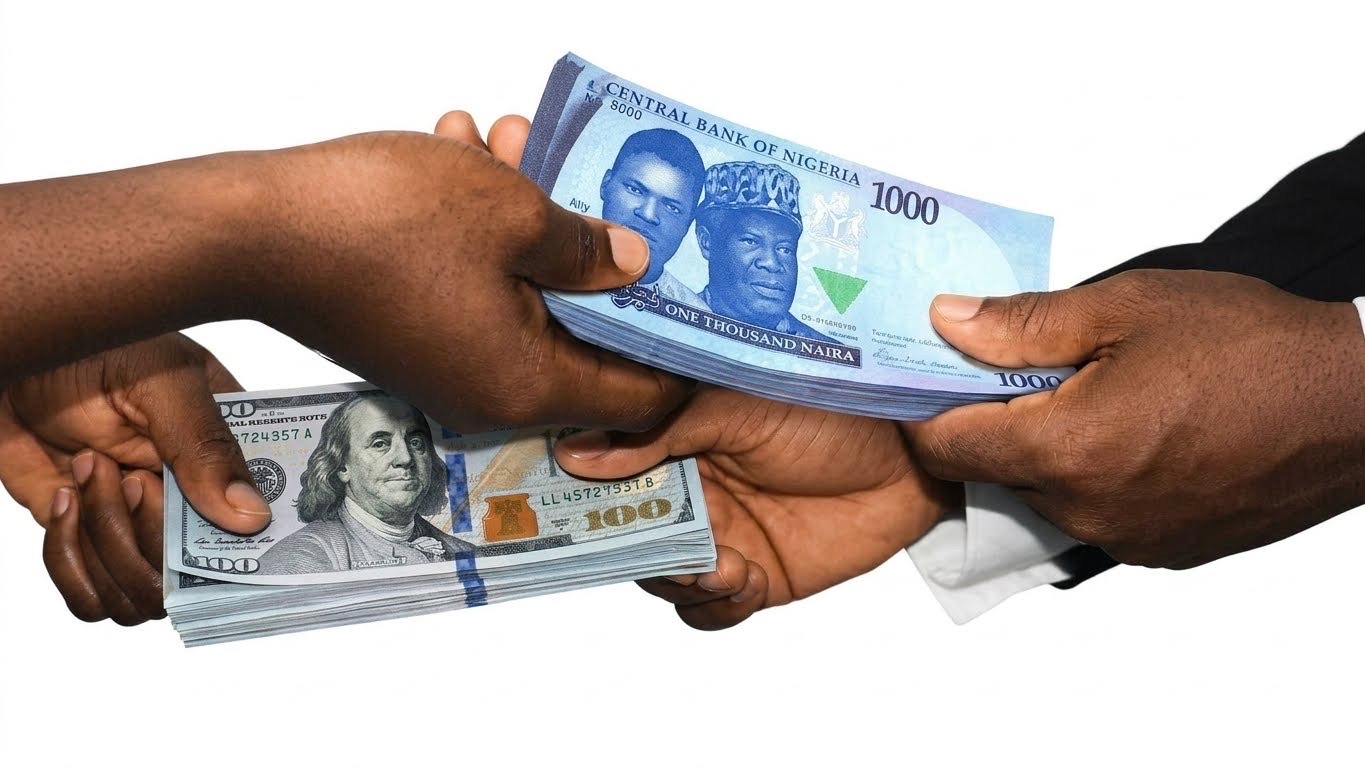
CBN lifts cash restriction on BDC purchases
Under the previous arrangement, banks were permitted to sell a maximum of $150,000 weekly to BDC operators.
However, only 25 per cent of the approved amount, equivalent to $37,500, could be accessed in physical cash.

The restriction meant that BDCs could not obtain the full amount in dollar notes, even when they had been approved to purchase foreign exchange through the banking system.
The new directive allows operators to access the entire $1 million allocation in cash, significantly increasing the volume of physical dollars that can be supplied through authorised banks.
Physical cash remains important in the retail foreign exchange market, where individuals and small businesses require dollar notes for travel, personal transactions and other legitimate needs.
New limit expected to ease retail FX pressure
The increase in cash-dollar availability is expected to improve supply in the retail foreign exchange segment and reduce some of the pressure on the parallel market.
The previous cash restriction had limited the amount of physical foreign currency available to BDCs through banks, forcing operators to rely on other channels to meet demand for dollar notes.
By allowing the full allocation to be accessed in cash, the CBN is seeking to improve the flow of physical dollars through the formal market.
READ ALSO:
 Cardoso attributes naira pressure to seasonal factors
The approval comes a day after CBN Governor Olayemi Cardoso attributed recent pressure on the naira partly to seasonal factors, including portfolio investors adjusting their positions towards year-end and domestic businesses seeking to hedge against possible foreign exchange movements ahead of the new year.
Cardoso also identified increased spending associated with the forthcoming general elections as another source of demand pressure.
He said the CBN expects volatility to moderate significantly as Nigeria moves into 2027, while noting that the country’s external position remains supported by favourable current account balances and sustained diaspora remittance inflows.
The governor disclosed that diaspora remittances were close to $1.9 billion in the preceding month, describing the inflows as an important source of support for Nigeria’s external buffers.
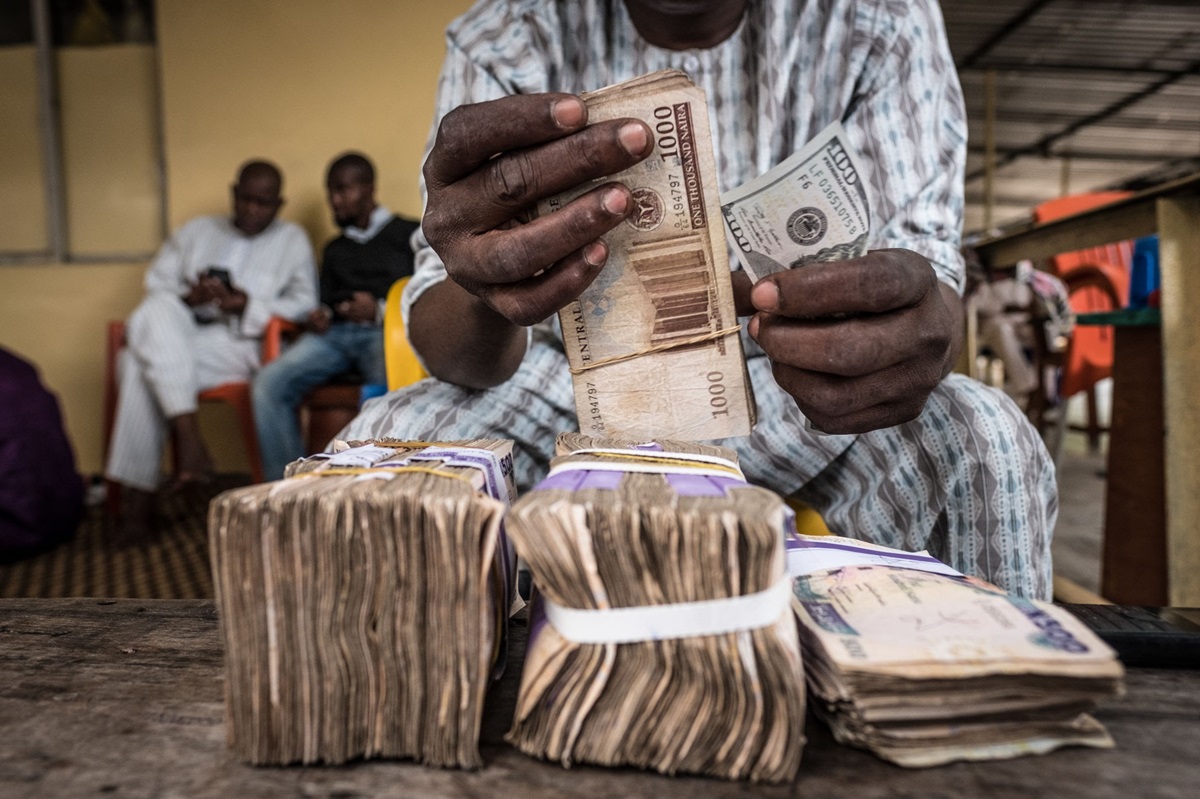
Naira weakens to N1,396.50/$
The new cash-dollar arrangement follows a further weakening of the naira at the official market.
On Tuesday, November 24, 2026, the currency closed at N1,396.50/$, depreciating by N3.50, or 0.25 percent, from N1,393/$ recorded on Monday.
The closing rate was the naira’s weakest official level in nearly nine months. The last time the rate was slightly weaker was March 6, when the currency closed at N1,398/$.
The naira also weakened in the parallel market to N1,445/$.

Ogochukwu Onwaeze is a writer specializing in business and economy journalism. At THEWILL News Media, she translates market trends, financial developments, and policy shifts into clear and engaging stories.