
-
Brent crude climbed as high as $99.46 a barrel after Houthi attacks targeted Saudi energy facilities, raising fresh concerns over global oil supplies.
-
The attacks injured 73 people and disrupted operations at some Saudi energy facilities, while shipping through the Strait of Hormuz remains severely constrained.
-
Rising crude and refined-product prices could put further pressure on Nigeria’s petrol market, although locally refined Dangote petrol remains cheaper than imported supplies.
September 09, (THEWILL) — Global oil prices surged towards $100 per barrel on Tuesday, as renewed attacks in the Middle East heightened concerns that the widening conflict could further disrupt crude production, refining and shipping.
Brent crude futures climbed to an intraday high of $99.46 per barrel, its highest level since July 24, before easing to settle at $97.92. US West Texas Intermediate crude also rose to a six-week high, settling at $93.03 per barrel.
Houthi Attacks Intensify Supply Concerns

The latest rally followed attacks by Yemen’s Iran-backed Houthi forces on four southern Saudi Arabian cities, Abha, Khamis Mushait, Jazan and Najran.

The Houthis said they used drones and missiles to target a Saudi airbase and facilities belonging to Saudi Aramco. Jazan, a major Red Sea port, hosts a large refinery and power plant.
Saudi authorities said 73 people, including women and children, were injured, while fires broke out at some locations and operations at some energy facilities were halted. Saudi Arabia described the attacks as a dangerous escalation and vowed to respond.
The attacks have heightened fears that the conflict could spread beyond the Strait of Hormuz and threaten alternative routes used by Gulf producers to move crude and refined products.
Hormuz Remains A Major Oil-Market Flashpoint
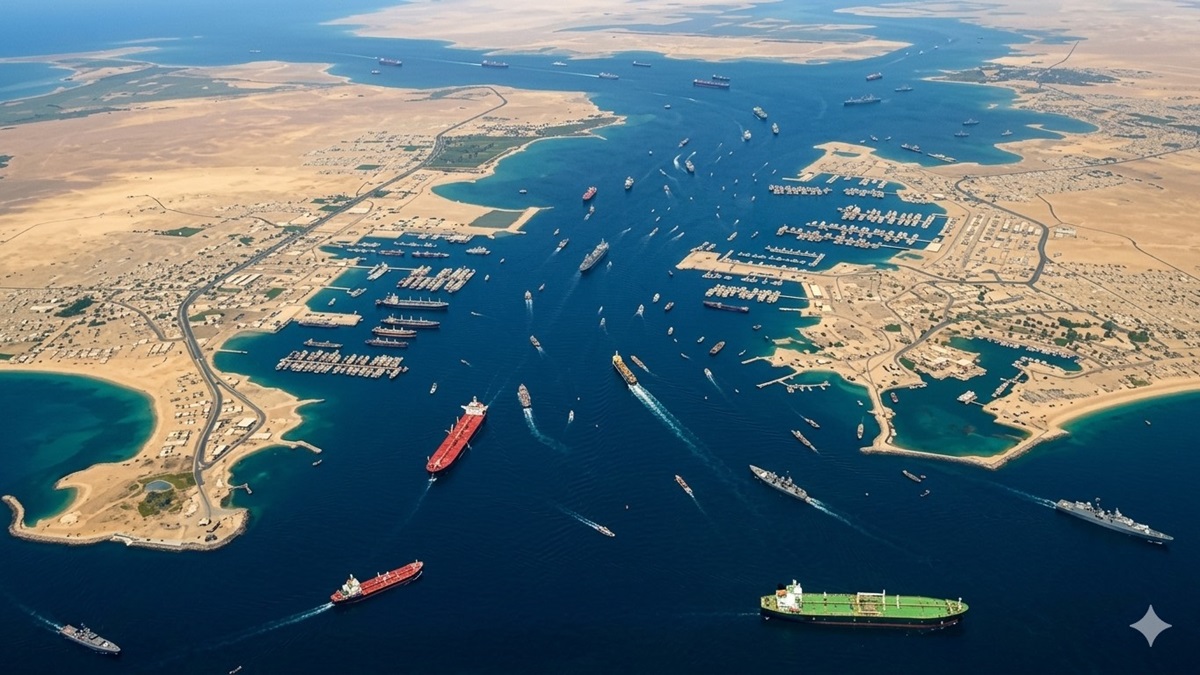
The Strait of Hormuz has become one of the biggest sources of uncertainty for energy traders. Before the current conflict, about one-fifth of global oil supplies passed through the waterway.
Traffic has fallen sharply since the war intensified, although some crude continues to move through the strait and Gulf producers are using alternative routes and ports to keep exports flowing.
Iran has also threatened to establish a new restricted maritime zone extending from the US blockade into the Gulf, adding to concerns over shipping and energy security.
The market is therefore facing a combination of physical supply constraints and a geopolitical risk premium. Goldman Sachs, HSBC and other financial institutions have raised their oil-price forecasts as traders increasingly price in the possibility that shipping disruptions could persist into 2027.
READ ALSO:
What Higher Crude Prices Mean For Nigeria
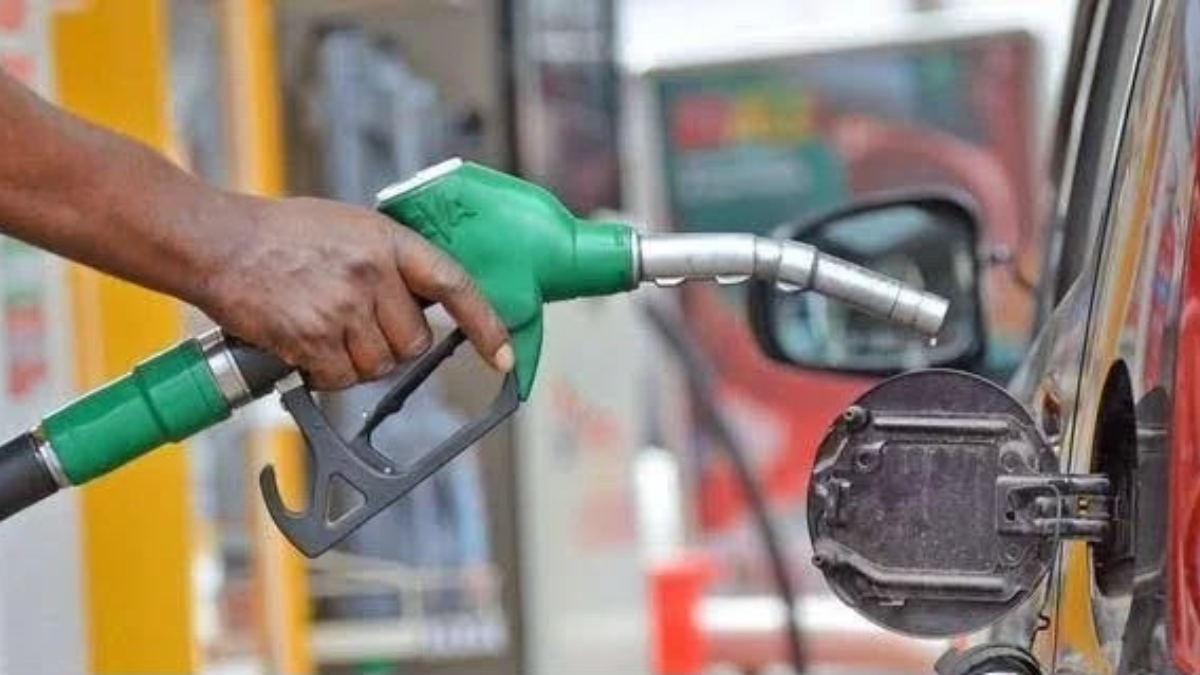
For Nigeria, sustained oil prices near or above $100 could boost government oil revenues and foreign exchange earnings if domestic crude production is maintained.
However, higher international crude prices can also raise the cost of petroleum products because crude is a major input into refining, and international product prices tend to rise alongside oil.
The effect is already visible in the downstream market. Dangote Refinery’s petrol gantry price currently stands at about ₦1,265 per litre. At the same time, the latest MEMAN data puts spot import-parity petrol at about ₦1,310.64 per litre, leaving locally refined petrol roughly ₦46 cheaper than imported supplies. A prolonged oil-price surge could therefore increase domestic fuel-price pressures even as Nigeria benefits from higher crude export earnings.
For now, traders are watching Saudi energy facilities, Iranian retaliation and traffic through the Strait of Hormuz for signs that the latest escalation could translate into a deeper and more sustained global oil-supply shock.

Ogochukwu Onwaeze is a writer specializing in business and economic journalism. At THEWILL News Media, she translates market trends, financial developments, and policy shifts into clear and engaging stories.