
-
233 people have been arrested in a coordinated environmental crime operation spanning nine countries in Latin America and the Caribbean, targeting networks involved in deforestation, illegal mining and wildlife trafficking.
-
More than 1,000 live animals were recovered, including reptiles, rare insects and exotic birds, while authorities also seized specimens linked to the trafficking of big cats and primates.
-
Some 60,000 hectares of illegally cleared forest were identified, highlighting the scale of environmental destruction associated with criminal networks operating across the region.
-
313 seizures were recorded, including cyanide, mercury and ammunition, while 165kg of dried shark fins worth an estimated $280,000 were also confiscated.
October 8, (THEWILL) – An international crackdown on organised environmental crime across nine countries in Latin America and the Caribbean has resulted in the arrest of 233 suspects and the recovery of more than 1,000 live animals, as authorities intensified efforts to dismantle networks profiting from the destruction of forests and trafficking of wildlife.
The coordinated operation targeted criminal activities including illegal deforestation, unregulated mining and wildlife trafficking, exposing the scale and interconnected nature of environmental crimes across the region.
According to details released on the operation, authorities identified about 60,000 hectares of forest that had been illegally cleared during investigations into environmental crime activities.

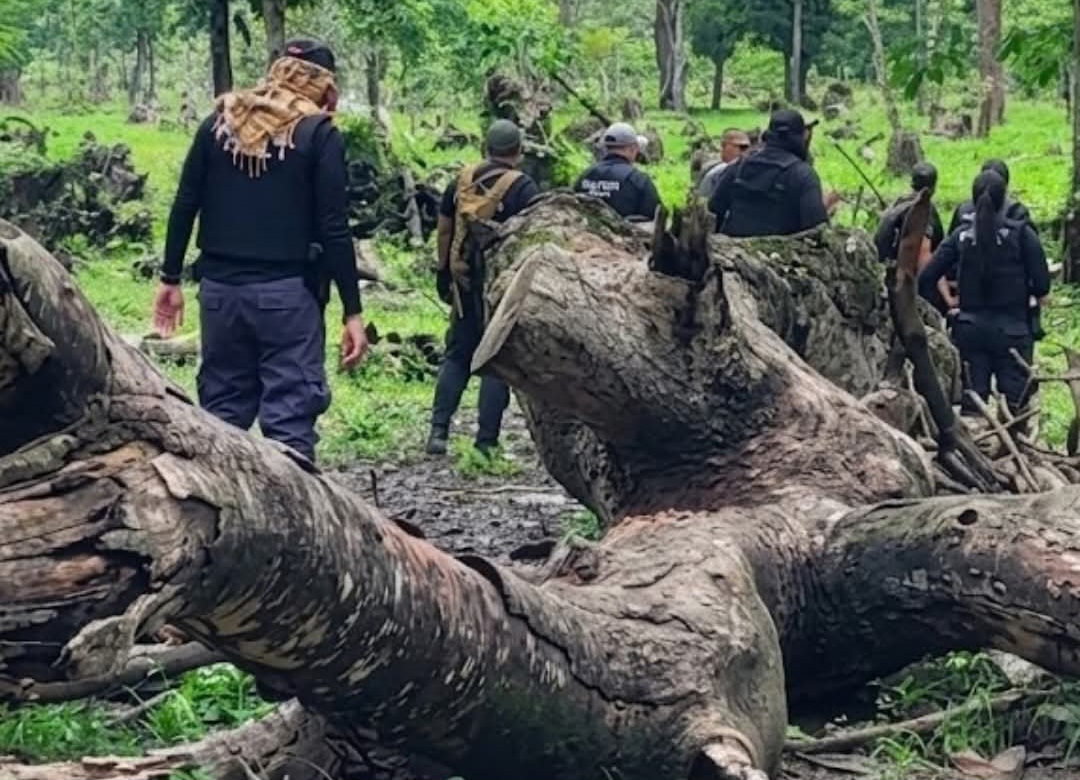
The operation also led to the identification of 312 suspects and 313 seizures involving materials and items allegedly connected to environmental crimes.
Among the materials seized were cyanide and mercury, substances commonly associated with illegal mining and capable of causing severe environmental contamination when improperly used. Ammunition was also recovered during the operation.
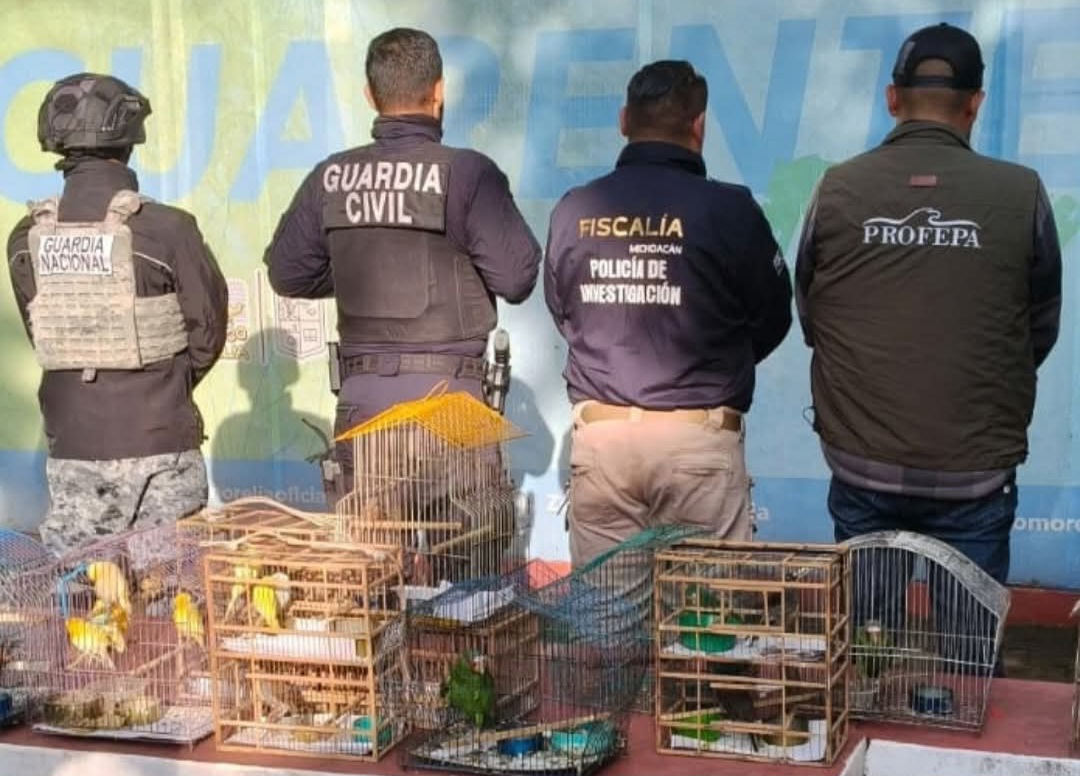
Wildlife trafficking featured prominently in the crackdown, with more than 1,000 live animals rescued from criminal networks.
Reptiles, including pythons, alongside rare insects and exotic birds accounted for a significant proportion of the animals recovered. Authorities also recorded seizures involving big cats and primates, underscoring the broad range of species targeted by traffickers.
READ ALSO:
In another major seizure, authorities confiscated about 165 kilogrammes of dried shark fins, estimated to be worth $280,000 on the illicit market.
The scale of the seizures points to the growing links between different forms of environmental crime, where wildlife trafficking, illegal extraction of natural resources and destruction of protected ecosystems can operate through interconnected criminal networks.
As part of efforts to pursue suspects across borders, INTERPOL issued Red Notices, Blue Notices and Purple Notices to assist member countries in identifying, locating and, where applicable, arresting individuals linked to the investigated networks.
Red Notices are used to seek the location and provisional arrest of wanted persons pending extradition or similar legal action, while Blue Notices assist authorities in collecting additional information about a person’s identity, location or activities in connection with a criminal investigation. Purple Notices are used to share information about criminal methods, procedures, objects, devices and concealment techniques.
The use of the different INTERPOL notices reflects the cross-border nature of the investigation and the difficulty of tackling environmental crime when criminal networks operate across multiple jurisdictions.
Background
Environmental crime encompasses a broad range of illegal activities, including wildlife trafficking, illegal logging, unlawful mining, illegal fishing and the destruction of protected ecosystems.
Latin America and the Caribbean contain some of the world’s most biologically diverse ecosystems, including vast tropical forests and habitats for thousands of wildlife species. These natural resources have increasingly become targets for organised criminal groups seeking profits from illegal extraction and trafficking.
Illegal mining can involve the use of toxic substances such as mercury and cyanide, while illegal logging and land clearing can destroy large areas of forest and threaten wildlife habitats.
Wildlife trafficking similarly generates significant illicit profits while placing vulnerable species under increasing pressure. The recovery of live animals, alongside seizures involving big cats, primates, birds, reptiles and shark fins, demonstrates the diversity of species targeted by traffickers.
The latest operation represents not only an effort to arrest individual suspects but also an attempt by law enforcement agencies to disrupt the wider criminal networks driving environmental destruction and illegal wildlife trade across national borders.

Felix Ifijeh is a journalist with years of professional reporting experience. Known for his keen news sense, compelling storytelling and commitment to accurate, impactful reporting, he has built a reputation for turning leads into clear, engaging, and well-structured reports that resonate with readers. His work reflects deep newsroom experience and a commitment to accurate, impactful journalism.