
-
Political dynasties are taking centre stage ahead of the 2027 general elections, as children of former presidents, governors, Senate presidents and other influential Nigerian politicians line up for Senate and House of Representatives seats.
-
The growing presence of political heirs is cutting across major parties and different parts of the country, with some of the aspirants already serving in the National Assembly.
-
The development has renewed debate over the concentration of political influence within established families, with supporters maintaining that children of prominent politicians have the same constitutional right to contest as every other Nigerian.
-
But family pedigree has not guaranteed party tickets, as some children of former governors and other prominent figures have lost primaries or failed to secure nominations.
October 02, (THEWILL) – Political dynasties are taking centre stage ahead of the 2027 general elections as children of former Nigerian presidents, governors, Senate presidents and other influential politicians increasingly feature among aspirants seeking seats in the National Assembly.
From Ogun and Kaduna to Katsina, Adamawa, Jigawa, Abia, Delta, Oyo, Ondo, Benue and other states, the 2027 political contests have produced a growing list of sons and daughters of established political figures seeking to enter or retain positions of influence at the federal level.
Some of the aspirants are already serving lawmakers seeking re-election, while others are attempting to revive political careers interrupted by previous electoral defeats. A number are also making their first major attempt at elective office.

The development has brought renewed attention to the role of political families in Nigeria’s democracy and raised questions about whether political influence is gradually becoming concentrated within a relatively small number of established families.
While the Constitution does not bar the children of politicians from contesting elections on account of their parentage, critics of the trend argue that political families often possess extensive networks, resources, name recognition and established structures that can provide advantages in party politics.
Supporters, however, maintain that the children of politicians should not be denied their democratic rights simply because of their family backgrounds, arguing that voters, rather than lineage, ultimately determine who wins elective office.
Against this backdrop, several prominent political families are now preparing for another electoral battle in 2027.
Children of Former Presidents, Vice-President
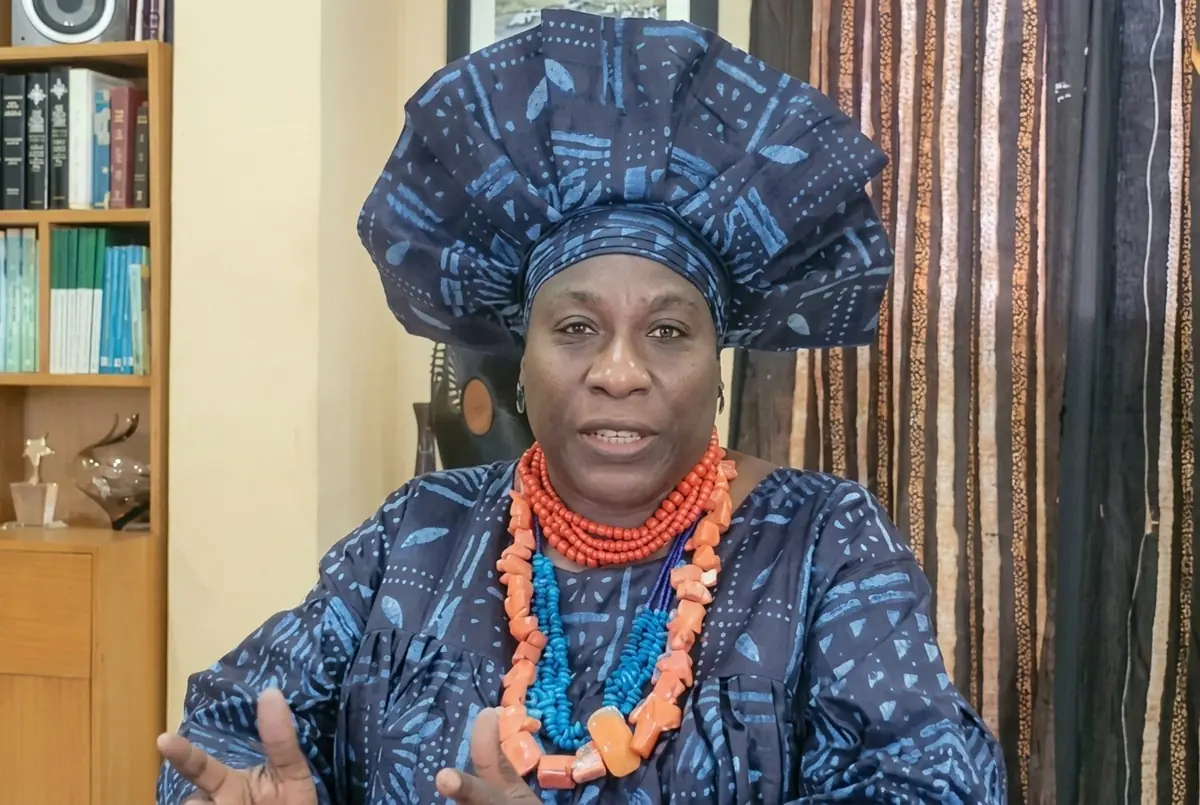
Among the most prominent names in the contest are children of former Nigerian presidents and vice-presidents.
Iyabo Obasanjo, daughter of former President Olusegun Obasanjo, is seeking a return to the Senate to represent Ogun Central on the platform of the Peoples Democratic Party (PDP).
Iyabo is not new to elective politics. She previously represented Ogun Central in the Senate, giving her experience in the National Assembly. Her latest bid comes after a series of political manoeuvrings and party-level contests surrounding the 2027 election.
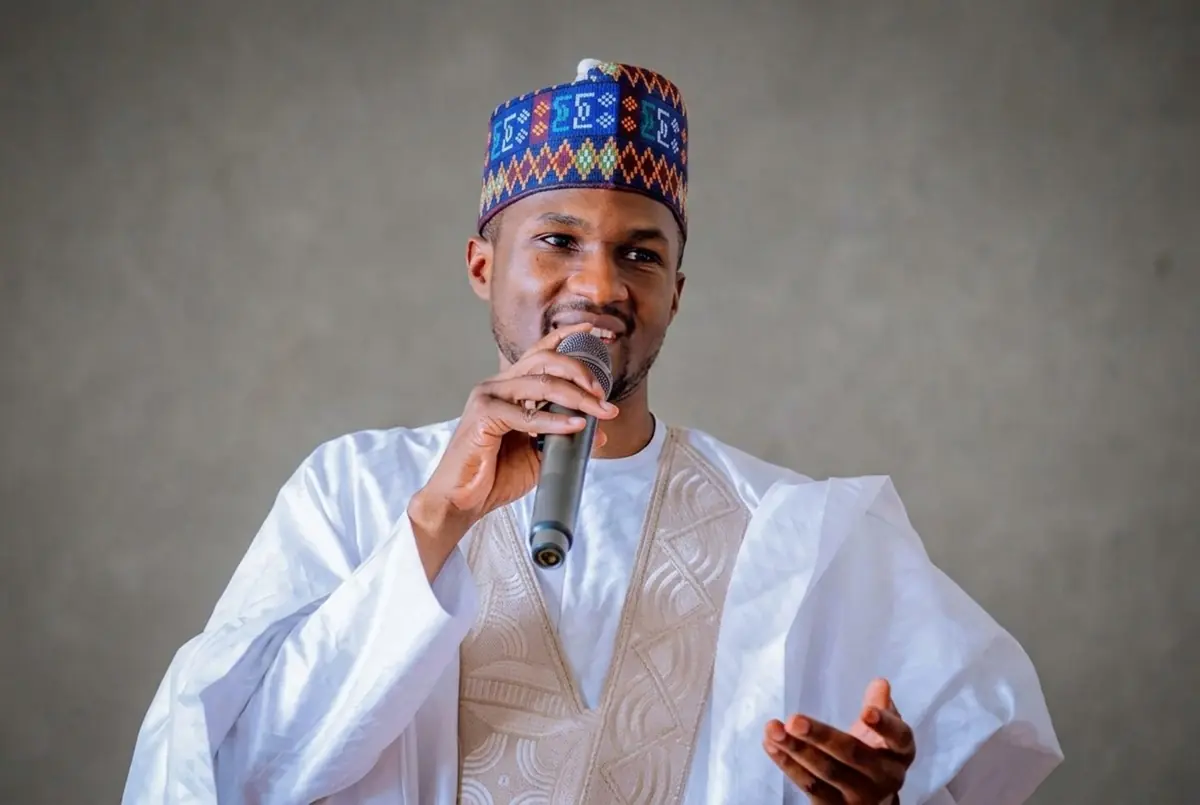
Also attracting attention is Yusuf Buhari, son of the late former President Muhammadu Buhari.
The younger Buhari is seeking election to the House of Representatives to represent the Daura/Sandamu/Mai’adua Federal Constituency of Katsina State on the platform of the All Progressives Congress (APC).
His father governed Nigeria from 2015 to 2023 under the APC and remained one of the party’s most influential figures until his death.
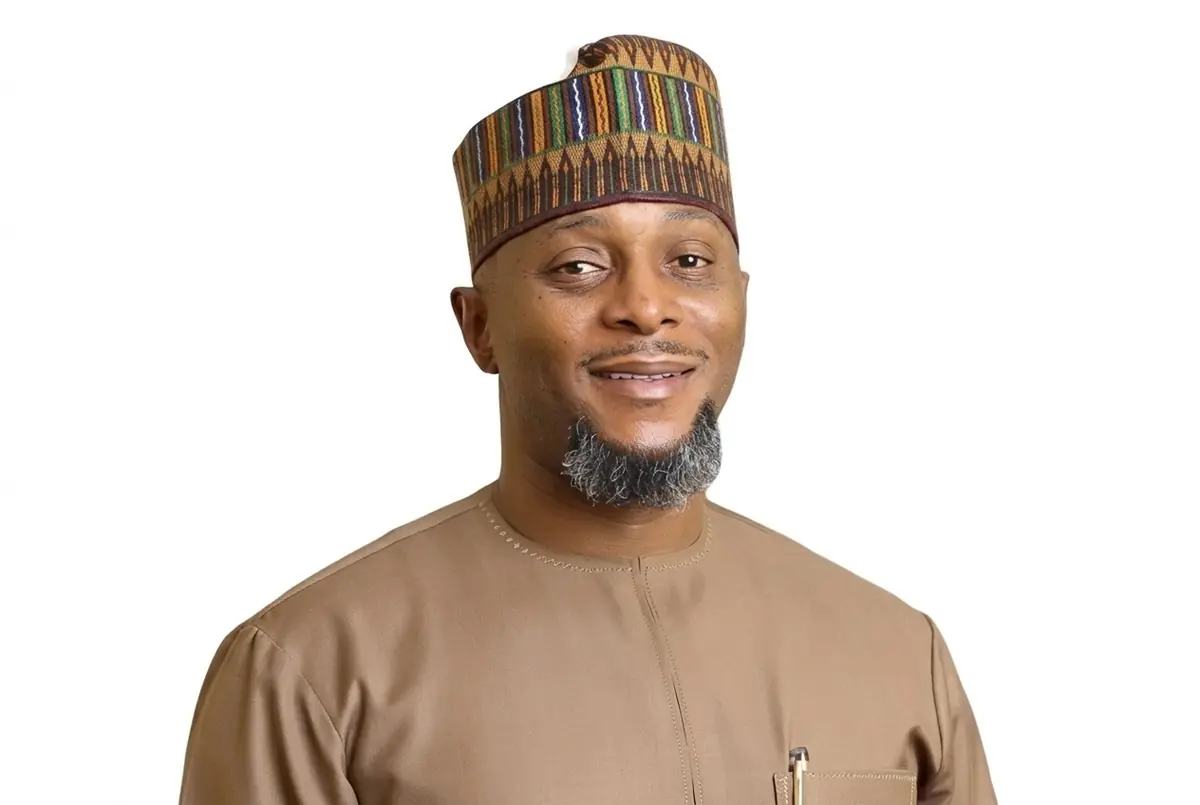
In Adamawa State, Adamu Atiku Abubakar, son of former Vice-President Atiku Abubakar, is also seeking a seat in the House of Representatives.
Atiku Abubakar, a former vice-president under the Olusegun Obasanjo administration, has remained a major force in Nigerian politics and has contested the presidency several times under different political platforms.
The younger Atiku is seeking to build his own political career within the same national political environment in which his father has operated for decades.
Children of Former Governors
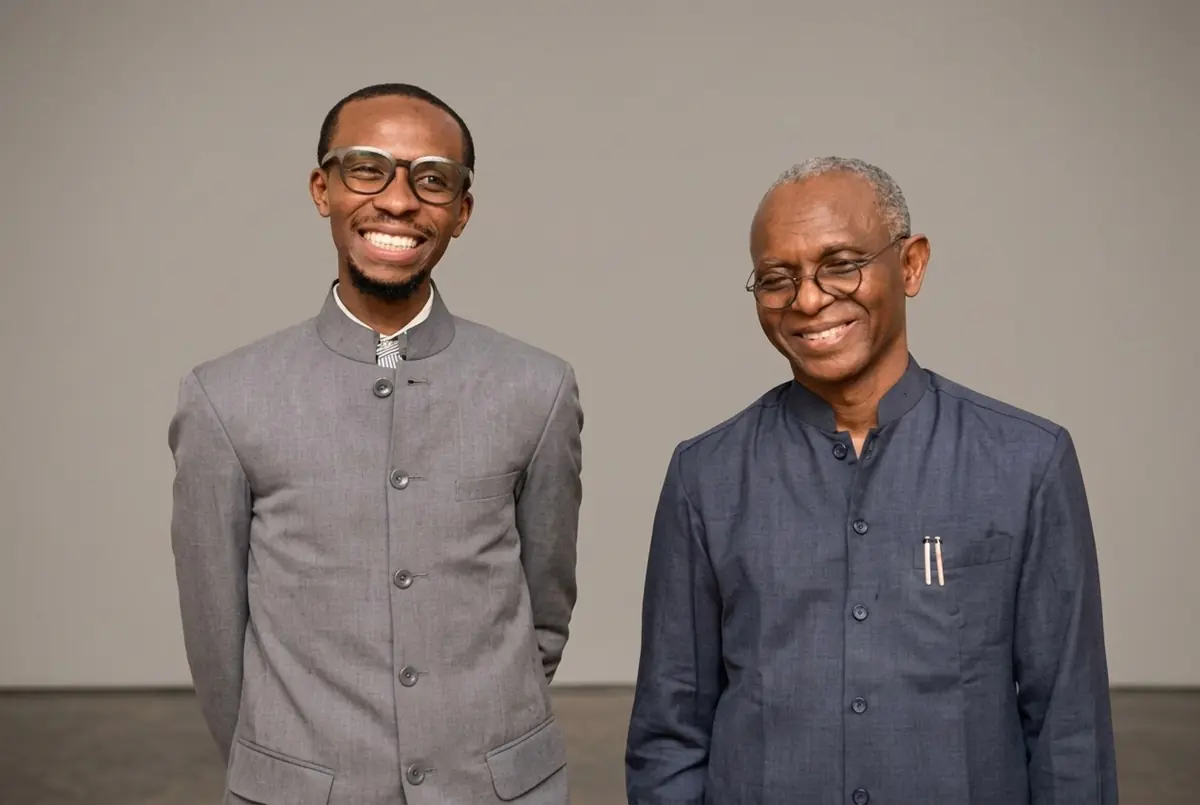
The list becomes longer when children of former state governors are considered, with several seeking legislative seats or attempting to reclaim political relevance.
In Kaduna State, Bello El-Rufai, son of former Governor Nasir El-Rufai, is seeking another term in the House of Representatives. He currently represents Kaduna North Federal Constituency, having defeated the incumbent lawmaker in the 2023 election on the APC platform.
For 2027, however, Bello is seeking re-election under the African Democratic Congress (ADC), following political disagreements and tensions surrounding his relationship with the APC.
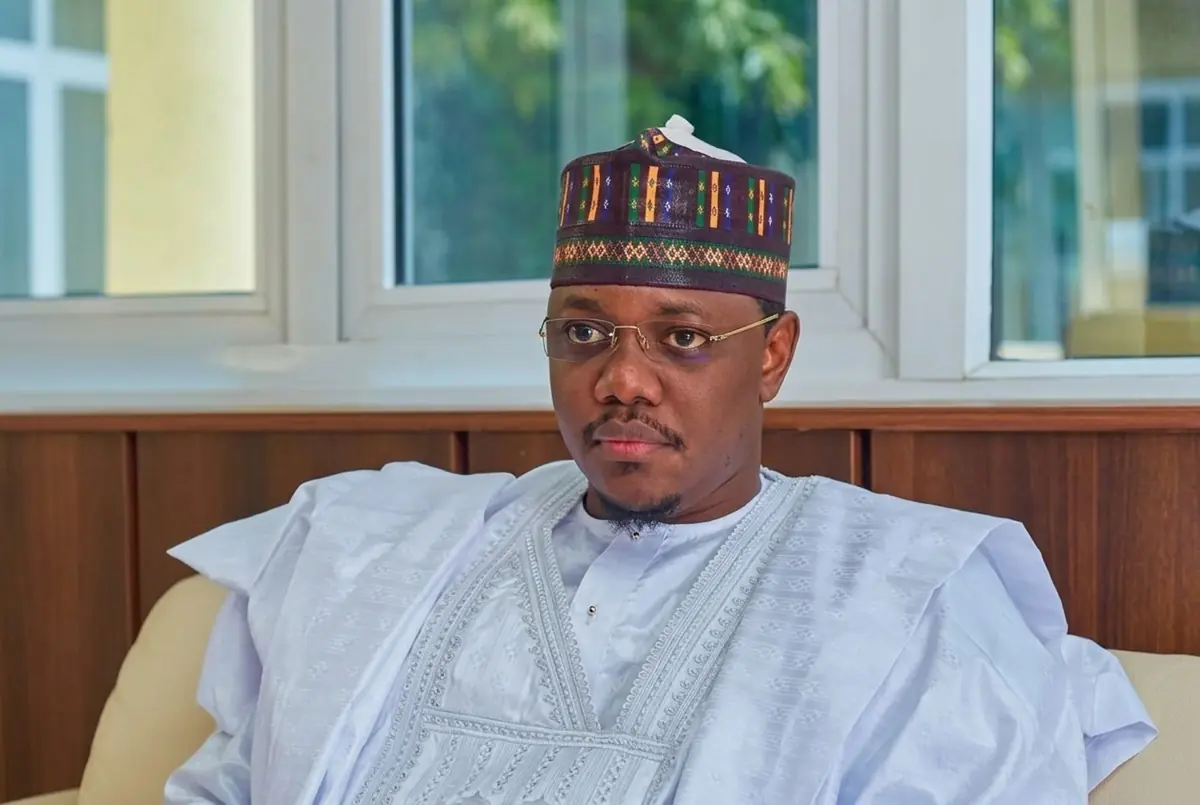
In Jigawa State, Mustapha Sule Lamido, son of former Governor and former Foreign Affairs Minister Sule Lamido, is seeking the governorship of the state.
Mustapha entered elective politics in 2019 when he contested the Jigawa Central Senate seat on the PDP platform. He later contested the Jigawa governorship in 2023 but lost to APC candidate Umar Namadi.
For 2027, he has again emerged as the PDP governorship candidate after the party endorsed him in May 2026.
In Abia State, Chinedum Orji, son of former Governor Theodore Orji, is contesting for the House of Representatives seat covering Ikwuano, Umuahia North and Umuahia South.
In Delta State, Erhiatake Ibori-Suenu, daughter of former Governor James Ibori, is seeking another term in the House of Representatives. She currently represents the Ethiope East/Ethiope West Federal Constituency.
The political legacy of the Ibori family has remained significant in Delta politics, making her continued presence in the National Assembly part of the wider debate over political succession.
In Ogun State, Olumide Osoba, son of former Governor Olusegun Osoba, is also seeking another term in the House of Representatives.
Osoba represents the Abeokuta North, Odeda and Obafemi-Owode Federal Constituency.
Similarly, Adegboyega Adefarati, son of late former Ondo State Governor Adebayo Adefarati, is seeking re-election to the House of Representatives for Akoko South-East/Akoko South-West.
In Oyo State, Olamijuwonlo Alao-Akala, son of late former Governor Adebayo Alao-Akala, is seeking election to the House of Representatives for the Orire/Ogbomoso North/Ogbomoso South Federal Constituency.
The younger Alao-Akala is part of a political family that has remained influential in Oyo State politics.
READ ALSO:
Other Prominent Political Families
The trend extends beyond the families of former presidents and governors.
In Kogi State, Natasha Akpoti-Uduaghan, daughter of late Jimoh Abdul Akpoti, a former member of the House of Representatives, is seeking re-election to the Senate. She currently represents Kogi Central and is seeking another term on the PDP platform.
In Kaduna State, Sadiq Ango Abdullahi, son of prominent politician Ango Abdullahi, is seeking a second term in the House of Representatives for Sabon Gari Federal Constituency.
In Katsina State, Abba Dahiru Mangal, son of businessman Dahiru Barau Mangal, has also emerged as a notable figure in the 2027 contest.
Although his father did not occupy a major elective political office, Dahiru Mangal is widely regarded as an influential figure in Katsina’s political and business circles.
Abba Mangal secured the APC ticket for Katsina Central Federal Constituency after defeating the incumbent lawmaker, Sani Aliyu Danlami, an outcome that generated controversy within the political circles surrounding the constituency.
In Benue State, Blessing Onuh, daughter of former Senate President David Mark, is seeking another term in the House of Representatives for the Otukpo/Ohimini Federal Constituency. Her father, who served as Senate President, remains one of the most recognisable political figures from Benue State.
In Edo State, Gabriella Omosede Igbinedion, daughter of businessman and politician Gabriel Igbinedion, is also contesting for the Ovia North-East/Ovia South-West Federal Constituency.
Other names featuring in the political-family contest include Sani Ibrahim Tanko and Sirajo Ibrahim Tanko in Bauchi State, Asuquo Ekpenyong in Cross River State, Adamu Abubakar in Niger State and Beni Lar in Plateau State.
Beni Lar is the daughter of late Solomon Lar, the first civilian governor of Plateau State and one of the influential figures in Nigeria’s political history. She is seeking to represent the Langtang North/Langtang South Federal Constituency.
Family Names Do Not Guarantee Party Tickets
Despite the growing presence of political heirs in the 2027 contest, the primaries have also shown that family connections do not automatically translate into party nominations.
In Kano State, Fahad Muhammad Adamu Dankabo, from the family of late billionaire businessman and Kabo Air founder Alhaji Dankabo, sought the APC ticket for the Gwarzo/Kabo Federal Constituency.
However, the primary process produced Abdullahi Muazu Babangandu through a consensus arrangement..Dankabo subsequently accepted the outcome and pledged his support for Babangandu.
In Bauchi State, Idris Isa Yuguda, son of former Bauchi State Governor Isa Yuguda, contested the APC House of Representatives primary. At the May 2026 primary, Jibrin Abdullahi Sirajo secured the ticket with 13,190 votes, while Yuguda came second with 4,053 votes.
A similar outcome occurred in Ogun State, where Rasheed Kashamu, son of late former Senator Buruji Kashamu, sought the APC House of Representatives ticket. Kashamu polled 265 votes, while Joseph Adegbesan won the primary with 18,884 votes.
The outcomes demonstrate that although political lineage can bring visibility and access to established networks, aspirants from prominent families still have to navigate party structures, delegates and internal contests before securing nomination.
The Political Dynasty Debate
The growing list of political heirs has revived a longstanding debate about the character of Nigeria’s political system.
Nigeria has a history of political families whose members have occupied elective or appointive positions across different periods. The latest development, however, is the increasingly visible attempt by a new generation to establish or consolidate their presence in the National Assembly and other levels of government.
Speaking in Port Harcourt, Okonkwo Larry, who supports the participation of political heirs, said being the child of a former governor, president or other prominent politician should not disqualify anyone from seeking elective office.
“If the person is qualified and the people want him or her, why should the person’s family background become a problem,” he said
According to him, political office should be determined by the candidate’s capacity, programme and acceptance by voters, rather than the identity of his or her parents.
Another resident argued that political experience passed down through families could also be useful, provided elected officials remained accountable to their constituents.
“Being the son or daughter of a politician does not automatically make someone a bad politician. What matters is what the person brings to the table and what he or she does after winning.”
But critics in Port Harcourt expressed concern that the growing presence of political heirs could make Nigeria’s political space increasingly difficult for newcomers to penetrate.
One critic, Harry-Marsha Tochukwu argued that the issue was not about denying politicians’ children their constitutional rights, but about the unequal political advantages that established families could possess.
“Nobody is saying their children should not contest. The question is whether an ordinary Nigerian with no political family behind him has the same access, networks, resources and opportunities.”
Another critic said the development should prompt political parties to strengthen their internal democratic processes and ensure that party structures were not controlled by a few influential families.
“Democracy should be about opening the political space, not creating a system where political influence is transferred from parents to children as if it were an inheritance.”
The contrasting views capture a broader national debate over political succession, access to power and the influence of established networks in Nigerian elections.
While supporters insist that voters should judge candidates on their individual records and programmes, critics remain concerned that entrenched family networks could give political heirs an advantage long before voters get to make their choice.
With the 2027 elections approaching, the growing presence of political families will therefore remain an important feature of the contest, particularly as voters decide whether candidates seeking to extend established political legacies have earned their own mandates.
Felix Ifijeh is a journalist with years of professional reporting experience. Known for his keen news sense, compelling storytelling and commitment to accurate, impactful reporting, he has built a reputation for turning leads into clear, engaging, and well-structured reports that resonate with readers. His work reflects deep newsroom experience and a commitment to accurate, impactful journalism.
