
-
Peter Obi’s 584,621-vote victory in Anambra in 2023 remains the benchmark as the NDC presidential candidate seeks to retain his stronghold in his home state.
-
Governor Chukwuma Soludo, an APGA governor, is backing President Bola Tinubu and has joined the President’s 2027 Presidential Campaign Council.
-
APGA has adopted Tinubu for President while retaining its candidates for the National Assembly and state legislature, leaving voters to make separate choices across the ballots.
-
The contest has divided Anambra’s political establishment, with Obi relying on his personal following while Soludo and APGA seek to mobilise the state for Tinubu.
October 21, (THEWILL) – The battle for the soul of Anambra has assumed a new dimension ahead of the 2027 presidential election, with former governor and NDC presidential candidate, Peter Obi, seeking to retain his overwhelming support in his home state while his successor, Governor Chukwuma Soludo, mobilises support for President Bola Tinubu.
At the centre of the contest is whether Soludo, backed by the All Progressives Grand Alliance (APGA) and his alliance with Tinubu, can significantly alter the presidential voting pattern in a state where Obi remains a formidable political force.
The contest has intensified following Soludo’s appointment as Anambra coordinator of Tinubu’s Presidential Campaign Council and APGA’s formal adoption of Tinubu as its presidential candidate.

The development has placed the two former governors on opposite sides of the 2027 presidential contest and turned Anambra into a crucial test of personal popularity, party structure and political influence.
Obi won Anambra with 584,621 votes in the 2023 presidential election, carrying all 21 local government areas, while Tinubu polled only 5,111 votes in the state.
The figures provide the backdrop to the battle now unfolding in the state.
Soludo Takes Tinubu Campaign to Obi’s Stronghold
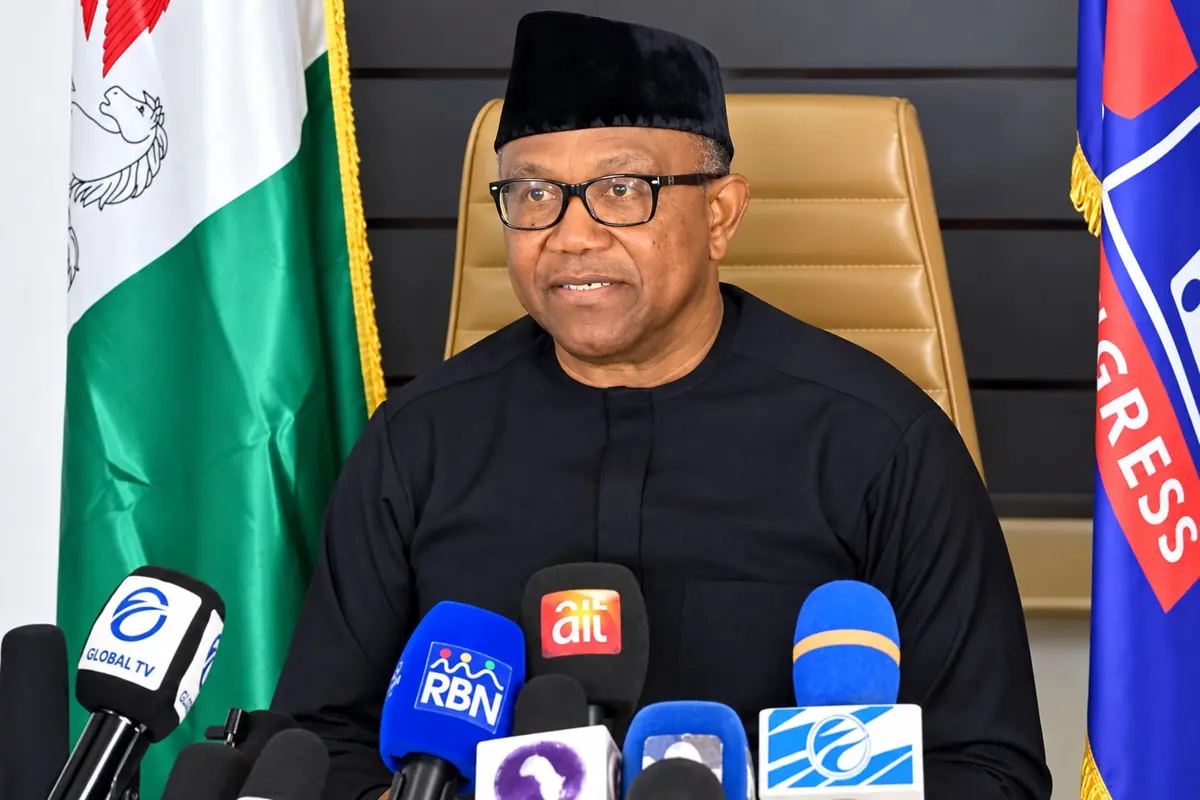
Soludo’s decision to campaign for Tinubu has placed Anambra at the centre of the President’s effort to improve his standing in the Southeast.
The governor has defended his support for Tinubu as a political decision, pointing to his relationship with the President and the need for Anambra to maintain a constructive relationship with the Federal Government.
Explaining APGA’s position, Soludo said: “For next year’s election, APGA following that same tradition, has now formally adopted Asiwaju Bola Tinubu as its presidential candidate.”
APGA National Publicity Secretary, Ejimofor Opara, also made the party’s position clear.
“In Anambra, it is Tinubu for President, APGA for Senate, House of Representatives and State House of Assembly.”
The arrangement means APGA is supporting Tinubu at the presidential level while retaining its candidates for the legislative elections.
It has also introduced an unusual voting proposition in Anambra, where the party expects its supporters to separate their presidential choice from their legislative choices.
Obi’s 2023 Landslide Sets The Benchmark
The scale of Obi’s 2023 victory provides the clearest measure of the challenge confronting Soludo and Tinubu.
Obi secured 584,621 votes and won all 21 local government areas, despite Soludo being governor and APGA controlling the state.
The result showed that Anambra voters could distinguish between their choice of president and their allegiance to the party controlling the state government.
That voting pattern is now significant as Soludo seeks to persuade the same electorate to support Tinubu.
The governor must not only improve Tinubu’s 2023 performance but also convince APGA supporters and other voters that the President deserves their backing, while maintaining support for APGA candidates in the legislative elections.
Soludo, Obi Clash Over Political Legacy
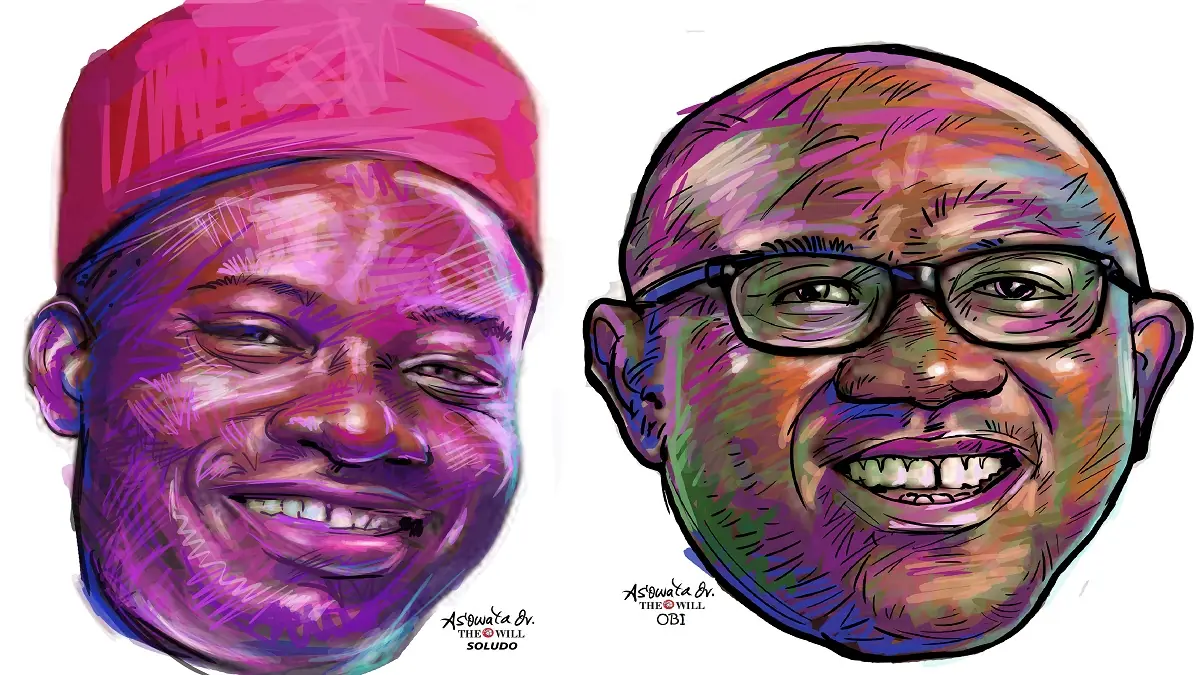 The political contest has also become increasingly personal, with the Soludo administration and Obi’s supporters exchanging accusations over APGA, governance and the former governor’s political influence.
The Anambra State Government, through its New Media office, accused Obi of working against APGA and urged party supporters to reject his candidacy.
“A betrayal alert for Ndi APGA. Since 2014, Obi has had one mission: to destroy the party that made him. Do not be deceived by a man who abandoned his own house. Anambra is APGA. Ndi APGA, defend your home, resist the NDC,” it said.
But in a swift reaction, NDC Director of New Media and Strategic Communications, Theo Abu Agada, said:
“It is now clear, even to the blind, that the Anambra State Government is threatened by the growing popularity of our presidential candidate, H.E. Peter Obi, and the NDC in Anambra State and beyond.”
The political disagreement has also extended to competing claims over Obi’s record as governor.
Obi has rejected allegations that his administration left unpaid salaries, pensions, gratuities, suppliers, or contractors when he left office.
“As at the day I left office, I was not owing any salary, pension, or gratuity that Anambra State Government is supposed to pay. I was not owing any supplier or contractor that had executed his job and his documents processed, not one,” he said.
Challenging his critics to produce evidence, Obi said: “If you find even one person I owed, I will stop campaigning.”
The former governor has also called for a credible electoral process ahead of 2027.
“I’m not urging them to support me. I am only urging them to allow free, fair and credible elections.”
Meanwhile, APGA founding member Chekwas Okorie has described the attacks on Obi as a: “vicious and vile vendetta against Mr. Peter Obi.”
Anambra Voters Weigh Obi, Tinubu Choices
Beyond the positions of the political parties, the emerging contest is increasingly centred on how voters intend to use their presidential ballot in 2027.
APGA’s decision to adopt Tinubu while retaining its candidates for the Senate, House of Representatives and State House of Assembly has generated debate within the state’s political establishment.
Anambra political stakeholder, Bunty Onuigbo, questioned the logic of supporting Tinubu for President while voting for APGA candidates in the other elections.
“Where is the sense in voting for Tinubu of APC and voting for APGA in the rest of the general elections?”
Onuigbo argued that the arrangement could weaken the political bargaining position of the President’s party in the National Assembly.
APGA, however, insists that there is no contradiction in the arrangement and that voters are capable of making separate choices on the different ballots.
The party’s state chairman, Ifeatu Obi-Okoye, said: “Our people know what to do and you will see it all play out on the election day and there would not be any confusion of any form or manner.”
He explained that separate ballots for the presidential, National Assembly and state legislative elections would allow voters to support Tinubu for President while voting for APGA candidates in the other contests.
For Obi supporters, however, the former governor’s personal following remains a major consideration.
Anambra-based Obi supporter, Valentine Okwuchukwu, urged the Soludo administration to concentrate on governance rather than what he described as its continuing attacks on the former governor.
“The Anambra State Government needs to stop chasing Peter Obi and start confronting the problems staring Ndi Anambra in the face.”
The position reflects the argument among Obi supporters that his political support in Anambra is personal and cannot automatically be transferred to another candidate simply because APGA has endorsed Tinubu.
On the other side, supporters of Soludo and APGA’s decision maintain that Anambra’s interests should also be considered in choosing a president, particularly given Tinubu’s relationship with the governor and the Federal Government’s engagement with the Southeast.
The competing positions mean that the 2027 contest is not simply about Obi versus Tinubu. It is also about whether voters will separate their personal support for Obi from their loyalty to APGA, whether Soludo can persuade his supporters to back Tinubu, and whether APGA’s endorsement can translate into actual presidential votes.
The stakes are particularly high because Obi won Anambra with 584,621 votes in 2023, while Tinubu secured only 5,111.
The 2027 election will therefore provide a direct test of whether Obi can reproduce his 2023 dominance and whether Soludo and APGA can substantially redraw Anambra’s presidential voting pattern in favour of Tinubu.
READ ALSO:
Can Soludo Deliver Anambra For Tinubu?
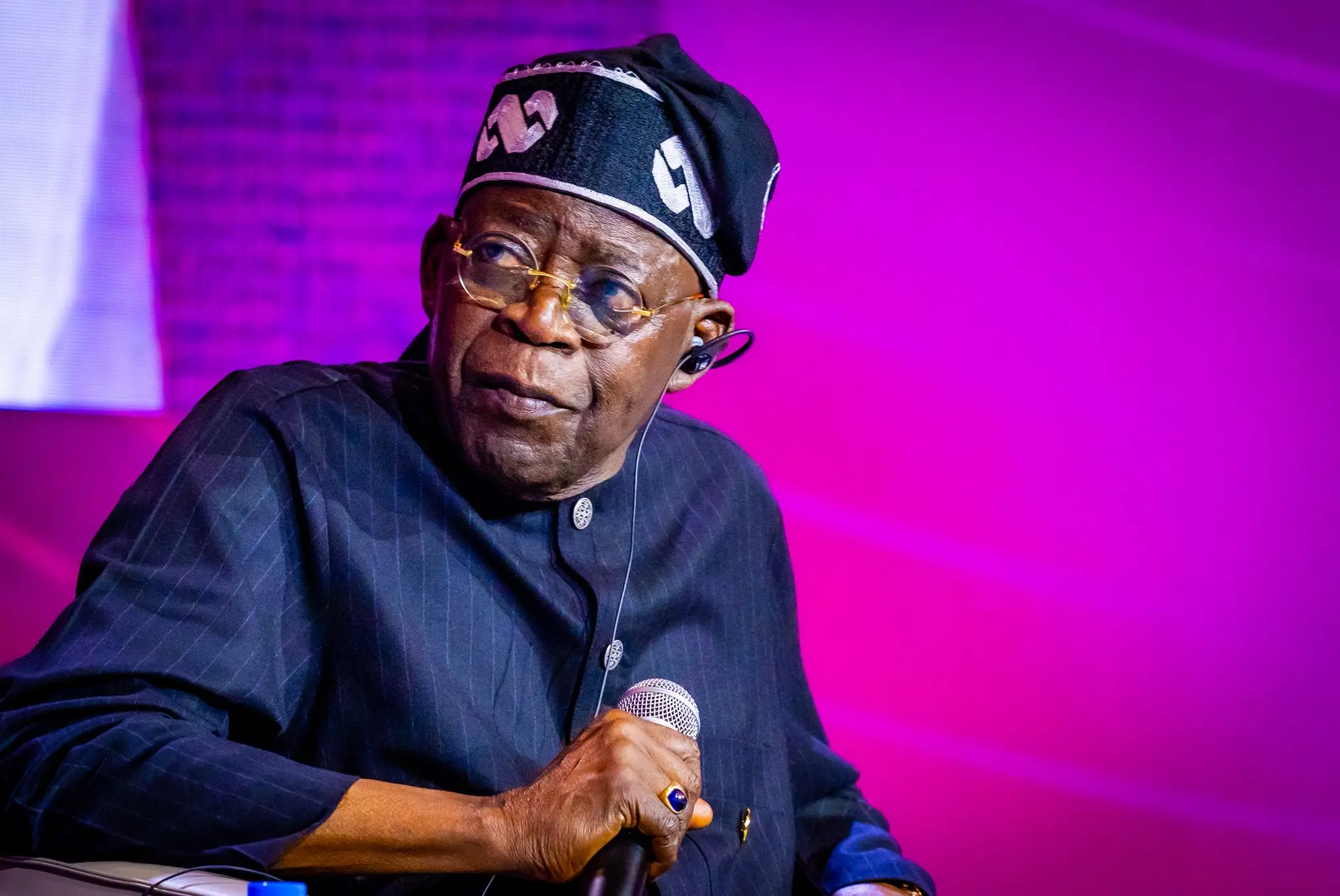
The biggest test of the Soludo-Tinubu alliance is whether the governor can convert his political influence and APGA’s organisational structure into a significant presidential vote for Tinubu.
Soludo controls the state government; APGA has formally endorsed Tinubu and the governor now occupies a prominent position in the President’s campaign structure.
Obi, however, has a different political asset: a demonstrated personal following.
His 2023 victory showed that Anambra voters could overwhelmingly support him for president despite APGA’s control of the state government.
The result also means that Soludo’s incumbency does not automatically translate into control of the state’s presidential vote.
The Centre for Democracy and Development has described the Anambra electorate as “highly discerning,” a description that assumes particular relevance as voters face separate presidential and legislative choices.
The Battle For The Soul of Anambra
The 2027 presidential election will determine whether Obi can preserve the extraordinary dominance he demonstrated in Anambra in 2023 or whether Soludo can use his incumbency and APGA’s political structure to deliver a significantly stronger vote for Tinubu.
For Obi, Anambra remains the foundation of his presidential campaign. For Soludo, the state is a test of his political influence. For Tinubu, it is an opportunity to make significant gains in a state where he suffered a crushing defeat in 2023. For APGA, it is a test of whether its alliance with Tinubu can deliver presidential votes without weakening the party’s own political standing.
The battle for Anambra is therefore a contest not only between two former governors but also between personal political loyalty, party structure and the influence of incumbency.
The result will show whether Obi’s 2023 dominance remains intact or whether Soludo and APGA can successfully redraw Anambra’s presidential voting map in favour of Tinubu.
Felix Ifijeh is a journalist with years of professional reporting experience. Known for his keen news sense, compelling storytelling and commitment to accurate, impactful reporting, he has built a reputation for turning leads into clear, engaging, and well-structured reports that resonate with readers. His work reflects deep newsroom experience and a commitment to accurate, impactful journalism.
