
-
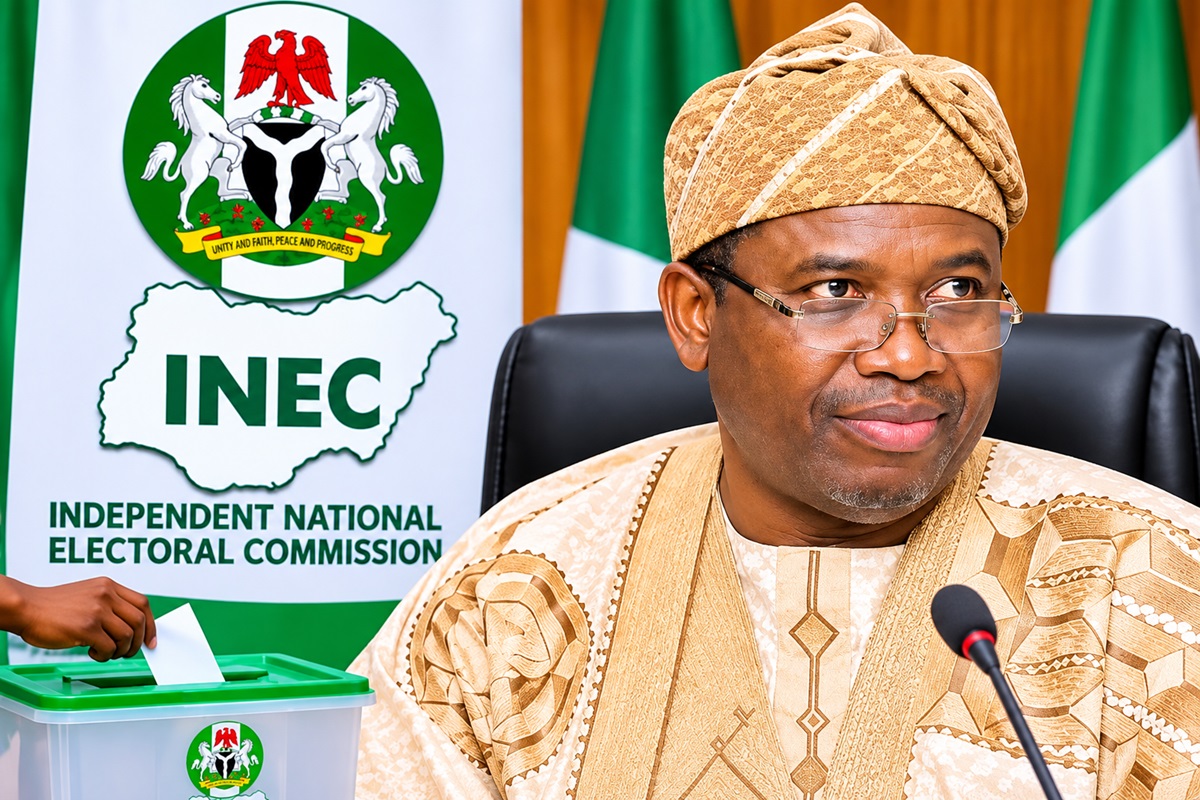
INEC says it cannot upload election results from ward, local government and state collation centres to its IReV portal during the 2027 general elections.
-
The commission’s Director of ICT, Lawrence Bayode, says the technology required for the exercise has neither been developed nor tested.
-
The existing arrangement will leave only polling unit results recorded on Form EC8A accessible to the public through IReV.
-
Yiaga Africa and other stakeholders want INEC to extend electronic publication to all collation levels to improve transparency and enable independent scrutiny of election results.
November 18, (THEWILL) – The Independent National Electoral Commission (INEC) has admitted that it lacks the technological infrastructure to upload election results from ward, local government and state collation centres to its Result Viewing Portal (IReV) ahead of the 2027 general elections.
The commission said it had neither developed nor tested the system required to electronically publish results from the different stages of collation, indicating that the existing arrangement, which provides public access only to polling unit results, would remain unchanged for the forthcoming elections.
INEC’s Director of Information and Communication Technology, Lawrence Bayode, disclosed this on Tuesday at a stakeholder roundtable on election results tabulation organised by Yiaga Africa in Abuja.
Responding to concerns about the limited scope of electronic result publication, Bayode said the commission could not introduce a technological system that had not been developed and tested.
“We have not built the system; we have not tested the system”, he said.
His response followed questions from participants who challenged the commission’s inability to extend electronic publication to results from ward, local government and state collation centres.

One participant specifically asked why INEC could not upload Forms EC8B, EC8C and EC8D, which contain results collated at the ward, local government and state levels, respectively.
Only Polling Unit Results Available On IReV
Under the existing arrangement, INEC uploads Form EC8A, which contains results recorded at individual polling units, to IReV.
The portal enables voters, political parties, election observers, journalists and other interested members of the public to access polling unit results electronically and independently examine the figures recorded at the end of voting.
However, the exclusion of results from subsequent collation stages means that Nigerians cannot use the platform to independently track how figures recorded at polling units are transferred, aggregated and reflected in the results presented at ward, local government and state collation centres.
The three forms identified by participants represent important stages in the collation process. Form EC8B contains ward-level results, EC8C captures local government collation, while EC8D contains state-level results.
Their absence from IReV leaves a gap in the electronic visibility of the collation process, particularly for stakeholders seeking to compare polling unit figures with results announced at higher levels.
READ ALSO:
Yiaga Africa Seeks Wider Electronic Publication
Executive Director of Yiaga Africa, Samson Itodo, said the organisation had previously recommended that INEC extend the electronic publication of results to additional collation levels to strengthen transparency and accountability.
Itodo said making results from ward, local government and state collation centres publicly accessible would enable stakeholders to compare figures across the different stages and identify discrepancies where they occur.
Other participants at the roundtable also supported the proposal, arguing that publishing results from all collation levels would allow Nigerians to independently scrutinise the collation process and improve confidence in the management of election results.
The stakeholders maintained that electronic access to results should not end at polling units when figures subsequently undergo further collation before final declarations are made.
2023 Election Controversy Fuels Renewed Transparency Concerns
INEC introduced the IReV portal as part of efforts to improve transparency in elections by allowing the public to view polling unit results electronically.
Although the portal provides access to uploaded results, it does not itself determine or declare election winners. The formal collation and declaration of results remain the responsibility of designated electoral officers under the applicable electoral framework.
The platform became a major subject of controversy during the 2023 general elections following delays and technical difficulties in uploading presidential election results.
The failure to upload polling unit results as expected generated widespread criticism from opposition parties, civil society organisations and election observers, with concerns raised about the transparency of the electoral process.
The presidential election and subsequent governorship polls also produced legal challenges in which candidates and political parties questioned aspects of the conduct, transmission and collation of results.
Against this background, the latest disclosure by INEC comes as political parties, election observers and civil society organisations intensify calls for greater transparency ahead of the 2027 general elections.

Felix Ifijeh is a journalist with years of professional reporting experience. Known for his keen news sense, compelling storytelling and commitment to accurate, impactful reporting, he has built a reputation for turning leads into clear, engaging, and well-structured reports that resonate with readers. His work reflects deep newsroom experience and a commitment to accurate, impactful journalism.