
-
The United States has placed 11 African countries under its highest travel advisory, warning American citizens: “Do Not Travel.”
-
The countries include Burkina Faso, CAR, Chad, DRC, Libya, Mali, Niger, Somalia, South Sudan, Sudan and Uganda.
-
Terrorism, kidnapping, armed conflict, violent crime and civil unrest are among the threats identified by Washington.
-
Health emergencies, landmines and limited access to US emergency assistance compound the risks in several of the countries.
October 20, (THEWILL) – The United States has warned its citizens against travelling to 11 African countries, placing them under the highest level of its travel advisory system because of serious security and health threats.
The countries are Burkina Faso, the Central African Republic (CAR), Chad, the Democratic Republic of Congo (DRC), Libya, Mali, Niger, Somalia, South Sudan, Sudan and Uganda.
The US Department of State‘s Level 4 advisory carries the warning “Do Not Travel”, the strongest of the four travel advisory categories issued by the American government.

The department said the warnings reflect different risks across the affected countries, including terrorism, kidnapping, armed conflict, violent crime, civil unrest and health emergencies.
It also warned that American citizens who encounter emergencies in some of the countries may have limited access to assistance from US officials.
Burkina Faso
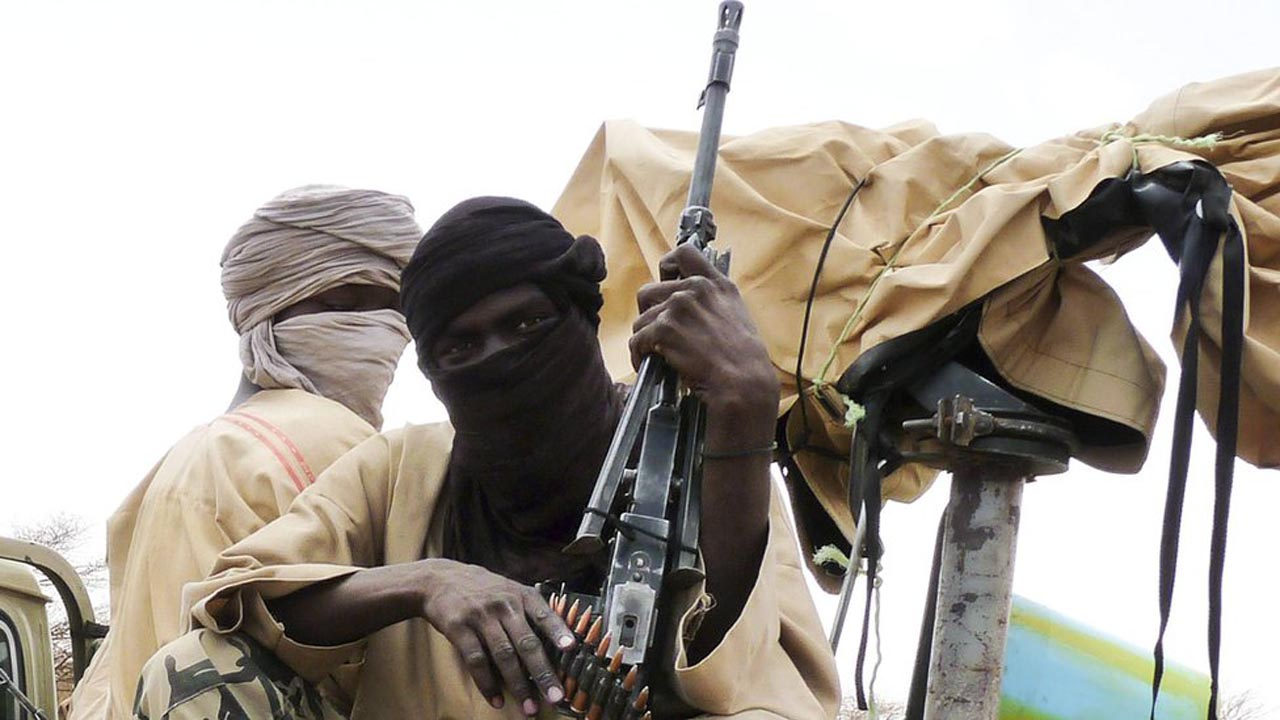
The US advisory for Burkina Faso cites terrorism, kidnapping, crime and health concerns.
The West African country has been battling persistent attacks by Islamist militant groups, particularly in areas outside major urban centres.
Washington has warned that the security situation presents significant risks to American citizens travelling within the country.
Central African Republic
The Central African Republic is under a Level 4 warning because of terrorism, kidnapping, crime, civil unrest and health concerns.
The US government has also cautioned that its ability to provide emergency assistance to American citizens in the country is limited.
Chad
The US advisory on Chad cites terrorism, kidnapping, crime, civil unrest, landmines and health risks.
It also warns about the country’s limited healthcare infrastructure.
According to the advisory, US government assistance to Americans outside N’Djamena, the capital, is extremely limited.
Democratic Republic of Congo
The DRC is under the highest travel warning because of crime, terrorism, kidnapping, civil unrest and health risks.
The security situation remains particularly dangerous in parts of eastern DRC, where armed groups continue to operate, and fighting has persisted.
Health concerns have also featured in US warnings on travel to the country.
READ ALSO:
Libya
The US has advised its citizens not to travel to Libya because of armed conflict, terrorism, kidnapping, crime and civil unrest.
The security situation has also limited the ability of the US government to provide emergency assistance to American citizens in the country.
Mali
Mali’s Level 4 advisory cites terrorism, kidnapping, crime, civil unrest and health concerns.
Militant attacks and insecurity in parts of the country have continued to pose significant risks to travellers.
The warning forms part of broader US concerns over deteriorating security conditions across the Sahel.
Niger
The US warning for Niger covers terrorism, kidnapping, crime, civil unrest and health risks.
The country has faced persistent security challenges linked to militant groups operating in the Sahel region.
The US government has consequently advised its citizens against travelling to Niger.
Somalia
Somalia remains under the highest travel warning because of terrorism, kidnapping, crime, civil unrest and health concerns.
The US government considers the security situation a serious threat to American travellers and advises against travel to the country.
South Sudan
The US has placed South Sudan under Level 4 because of crime, kidnapping, civil unrest and health risks.
The country continues to face serious security challenges, while limited infrastructure and healthcare services add to the difficulties confronting travellers.
US officials have also warned that emergency assistance to Americans in South Sudan may be limited.
Sudan
Sudan remains under the highest travel warning amid the war that erupted in April 2023 between the Sudanese Armed Forces and the Rapid Support Forces.
The US advisory cites armed conflict, crime, kidnapping, terrorism, civil unrest and health risks.
The conflict has created a severe humanitarian crisis, disrupted essential services and made movement across large parts of the country extremely dangerous.
The US government has also warned of limited access to consular and emergency assistance.
Uganda
Uganda is also under a Level 4 warning because of crime, terrorism, civil unrest and health concerns.
A June 4, 2026 advisory also cited limitations on emergency consular assistance associated with the Ebola outbreak in the region.
US Four-Level Travel Advisory System
The US Department of State uses four levels to communicate travel risks to American citizens.
Level 1 advises travellers to exercise normal precautions, while Level 2 recommends increased caution. Level 3 advises Americans to reconsider travel, and Level 4 recommends that they do not travel.
The Level 4 classification does not mean that every part of a country faces identical conditions. The specific threats and their intensity vary between destinations.
The warnings are also advisory measures directed at US citizens and do not constitute a blanket travel ban on citizens of other countries.
The Department of State advises Americans to check the latest travel information before departure because security, health and consular conditions can change.
Background
The latest warnings come as several parts of Africa continue to contend with armed conflicts, terrorism, political instability, kidnapping and public-health emergencies.
The Sahel, in particular, has experienced sustained militant violence, while Sudan remains engulfed in war and eastern DRC continues to face fighting involving armed groups.
Elsewhere, Somalia continues to face a persistent terrorism threat, Libya remains affected by armed-group activity and political instability, and South Sudan continues to grapple with insecurity and humanitarian challenges.
The US Department of State regularly reviews conditions in countries where American citizens travel and updates its advisories when security, health or other circumstances change.
Felix Ifijeh is a journalist with years of professional reporting experience. Known for his keen news sense, compelling storytelling and commitment to accurate, impactful reporting, he has built a reputation for turning leads into clear, engaging, and well-structured reports that resonate with readers. His work reflects deep newsroom experience and a commitment to accurate, impactful journalism.
