
-
The Federal Government says electricity tariffs should reflect efficient costs rather than transfer inefficiencies to consumers.
-
The government is considering revenue ring-fencing and credit enhancement to improve payments to power generators and gas suppliers.
-
Lagos estimates its electricity demand at 12,000MW, while conventional grid supply remains below 1,000MW.
November 12, (THEWILL) – The Federal Government has said sustainable electricity supply will depend on a commercially viable power market supported by cost-reflective tariffs and reliable payment arrangements for electricity generators and gas suppliers.
The Special Adviser to the President on Power, Lanre Babalola, stated this at the Lagos Energy Summit 2026, where he outlined measures being considered to improve the financial stability of the electricity market and attract fresh investment.
Babalola, who was represented by a member of the Presidential Task Force on Power Sector Reset and Restoration, Engr Uzoma Achinanya, said tariff reforms must ensure that electricity consumers are not made to pay for inefficiencies in the sector.
He argued that improvements in power supply must be matched by arrangements that guarantee payment to generators and the gas suppliers that provide fuel for electricity production.
The government is also considering revenue ring-fencing and credit enhancement mechanisms to protect investments in new generation capacity and address the liquidity problems that have persisted in the sector.
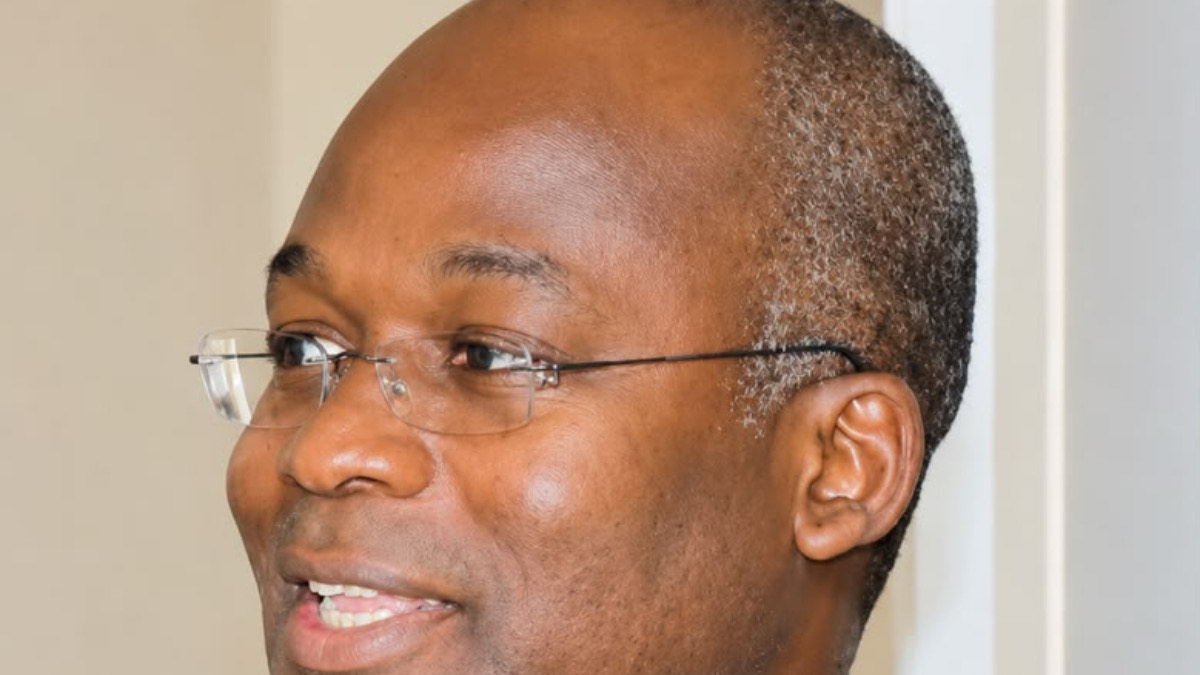
FG seeks to address power sector liquidity
Babalola said Nigeria’s electricity market had concentrated largely on delivering power to consumers without giving sufficient attention to the financial arrangements required to sustain generation and gas supply.

He called for “tariffs that are reflective of efficient cost, not a bill that passes inefficiency on to customers”.
“Fix both circuits. One circuit carries power to the customer, the other carries money back to the generator and the gas supplier behind it. For 20 years, we focused on the first and neglected the second. Power that flows on day one will stop on day 90 if the money does not flow back,” he said.
He said revenues generated from new electricity supply should be protected and channelled towards meeting the contractual obligations that enabled the supply.
“Government, federal or state, should secure the unhindered flow of power and of adequate revenue back. Revenues from new power should be ring-fenced to the contracts that brought it into being,” he added.
The presidential adviser also advocated bilateral electricity contracts supported by secure payment arrangements, including escrow accounts, payment waterfalls and transparent revenue collection systems.
According to him, such measures would help ensure that payments reach generators and gas suppliers, reducing the risk of disruptions caused by unpaid obligations.
On investment protection, Babalola said credit enhancement arrangements could help electricity market participants manage risks that the market was not yet strong enough to absorb.
He added that government-backed support should be recovered from revenues generated by the electricity market rather than become a permanent burden on public finances.
The Federal Government has, however, repeatedly said there is no immediate plan to increase electricity tariffs.
The proposed approach, as outlined at the summit, centres on aligning tariffs with efficient operating costs while addressing inefficiencies and weaknesses in the sector’s payment system.
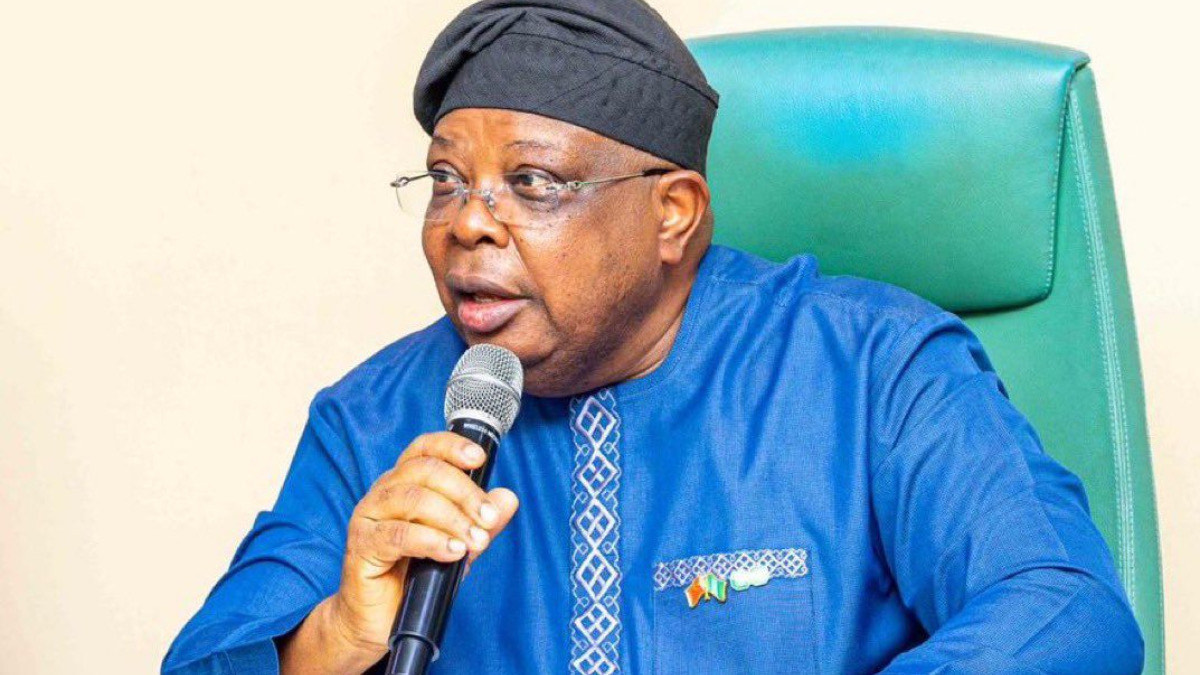
READ ALSO:
FG, Lagos outline supply expansion plans
Meanwhile, the Minister of Power, Joseph Tegbe, said the Federal Government had developed a four-pronged roadmap to tackle the country’s electricity challenges.
The roadmap covers grid stabilisation, sector liquidity and sustainability, asset optimisation, and grid expansion and enhancement.
Tegbe said the government was adopting a corridor-based approach to coordinate electricity generation, transmission reinforcement and distribution capacity with demand in major economic centres.
He disclosed that several generating units affected by recent outages had returned to service, while the vandalised Egbin-Benin transmission line had been repaired.
According to him, electricity supply to Lagos reached about 1,000 megawatts during the recovery.
He said the government was continuing to work with generation companies, the Nigerian Independent System Operator, the Transmission Company of Nigeria and distribution companies to address supply interruptions.
The Lagos State Commissioner for Energy and Mineral Resources, Biodun Ogunleye, said the need for sustainable electricity investment was particularly important to the state, whose estimated electricity demand had risen to 12,000MW, against conventional grid supply of less than 1,000MW.
He said the gap had forced households and businesses to rely heavily on self-generation, increasing their operating costs and financial burden.
Ogunleye said Lagos had responded to the opportunities created by the Electricity Act 2023 through the Lagos State Electricity Law, which Governor Babajide Sanwo-Olu assented to on December 3, 2024.
He said the state had moved from legislation to institutional development and regulatory implementation through the establishment of the Lagos State Electricity Regulatory Commission, the Lagos Independent System Operator and other frameworks aimed at strengthening investment, market operations, infrastructure development and consumer protection.
However, he stressed that the success of the reforms would ultimately depend on the reliability and quality of electricity delivered to consumers.
Ogunleye said the state had also developed a Seven-Point Energy Agenda following the State High-Level Strategic Power Town Hall held on August 20, 2026.
The agenda covers Federal-State cooperation, market sustainability, electricity wheeling and self-generation, additional generation capacity, last-mile distribution, effective regulation and the deployment of modern technologies across the electricity value chain.
He said the framework was designed to unlock additional supply, strengthen infrastructure, attract investment and improve service delivery in the Lagos electricity market.
“Our ambition is not simply to generate more electricity, but to establish a functional power economy that supports industrial growth, creates employment, attracts capital and delivers tangible improvements in the lives of our people,” he said.

Ogochukwu Onwaeze is a writer specializing in business and economic journalism. At THEWILL News Media, she translates market trends, financial developments, and policy shifts into clear and engaging stories.
