
-
Inflation has eased, and economic growth has strengthened, yet the Federal Government is seeking $7.7bn in external borrowing.
-
NNPC reported a ₦509bn September profit even as petrol availability at its own retail stations stood at 54 percent.
-
A surging stock market and major investment plans contrast with the financing and infrastructure constraints facing many businesses.
November 10, (THEWILL) – Nigeria’s economy is showing signs of recovery, but the gains remain uneven. Inflation has moderated, output has expanded, and external reserves have strengthened. Yet the government faces a large budget deficit, manufacturers spend heavily on self-generated power, and smaller businesses struggle to obtain affordable credit. The contrasts expose structural problems that headline indicators do not capture.
1. Improving Macroeconomic Indicators Versus A $7.7bn Borrowing Request
Headline inflation fell to 14.63 percent in September 2026 from 20.98 percent a year earlier, while real GDP grew by 4.43 percent in the second quarter, up from 3.89 percent in the first quarter. External reserves reached $55.25 billion in September, while the current account recorded a $7.54 billion surplus in the second quarter.
Despite these improvements, President Bola Tinubu has asked the National Assembly to approve $7.7 billion in external borrowing to partially finance the 2026 budget deficit. The request represents the external component of planned borrowing of ₦29.2 trillion, alongside ₦18.4 trillion in domestic borrowing. The deficit is estimated at ₦31.4 trillion.
The figures show that macroeconomic stability has not eliminated the government’s financing gap. The question is whether borrowing will fund productive projects while revenue reforms improve the country’s capacity to repay.
2. NNPC’s ₦509bn Profit Versus Petrol Availability Below Benchmark
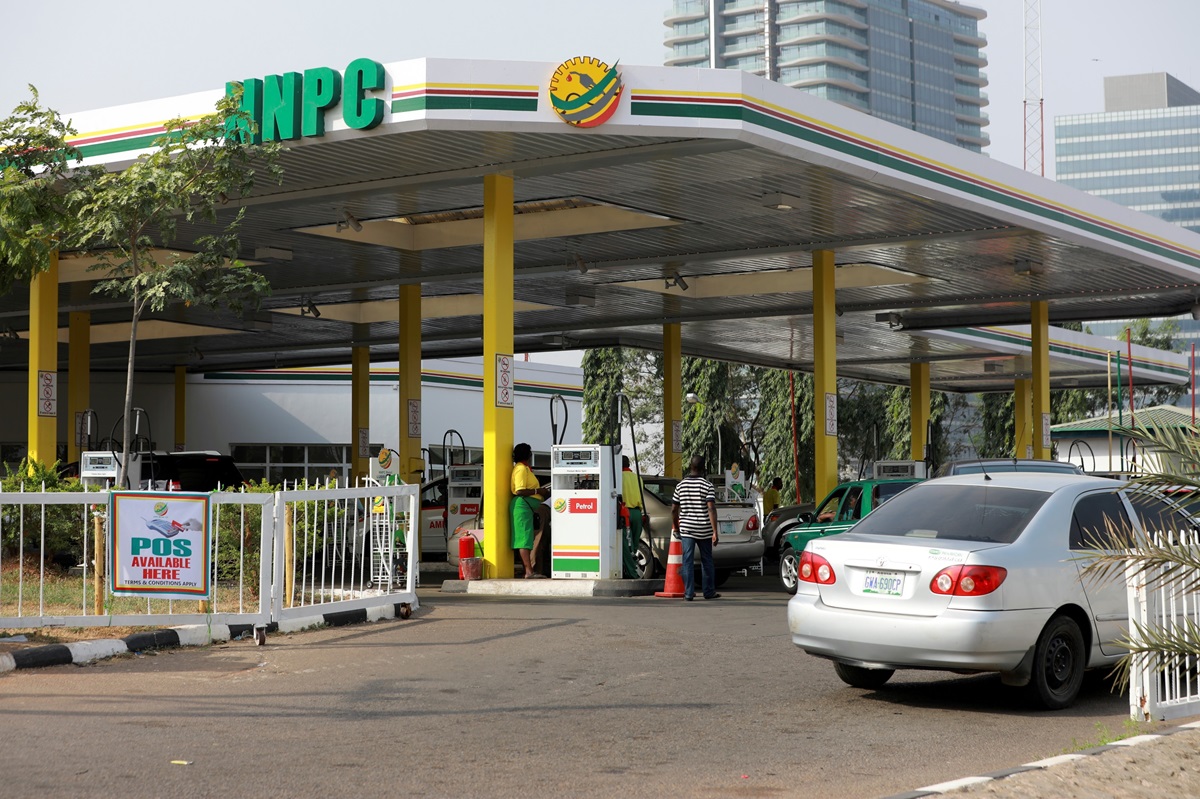
The Nigerian National Petroleum Company Limited reported September revenue of ₦4.61 trillion and profit after tax of ₦509 billion, while hydrocarbon production averaged 3.04 million barrels of oil equivalent per day.
However, petrol availability at NNPC Retail stations stood at 54 percent, while national petrol stock cover was 23.9 days in September, below the Nigerian Midstream and Downstream Petroleum Regulatory Authority’s 30-day benchmark. The figures highlight the gap between NNPC’s strong financial performance and the challenge of ensuring consistent fuel supply across its retail network and the wider domestic market.

3. Dangote’s $2.5bn Namibia Project Versus Nigeria’s Infrastructure Burden
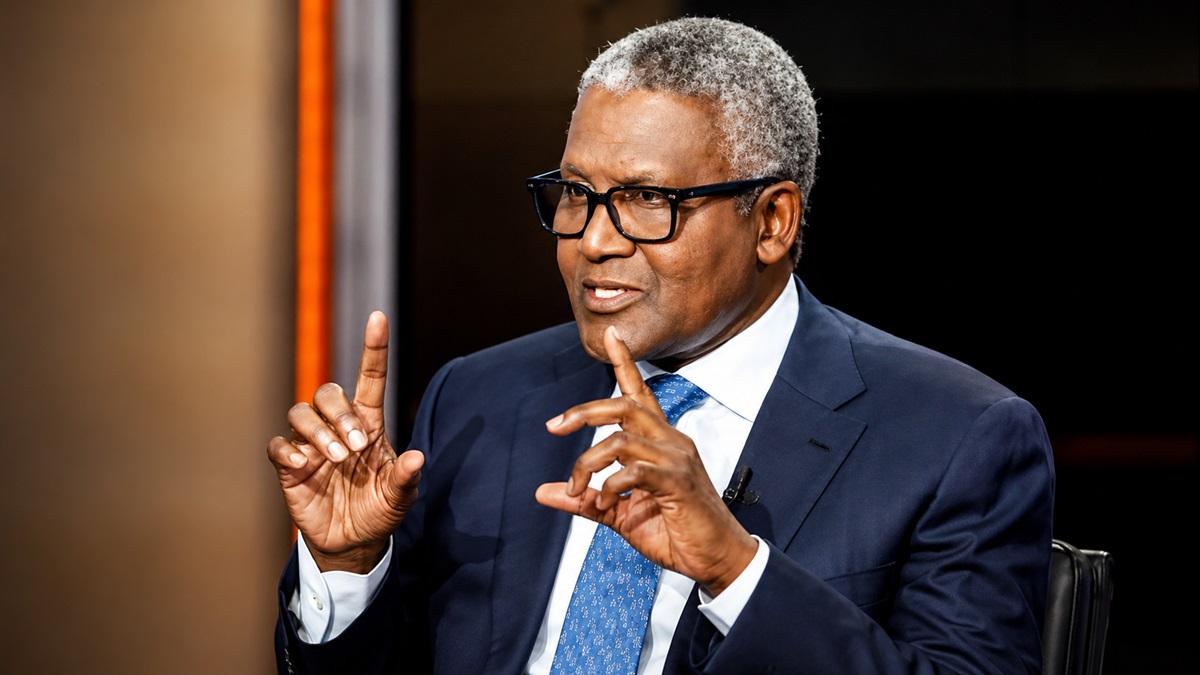
Aliko Dangote has launched a $2.5 billion fuel storage and pipeline project in Namibia, centred on a Walvis Bay tank farm with planned capacity of 600 million litres. A proposed 1,700-kilometre pipeline could connect the port to markets including Botswana, Zimbabwe and Zambia.
The project is designed to strengthen fuel distribution across Southern Africa and expand markets for Dangote’s refined products. It reflects a regional growth strategy, not proof that investment is being shifted away from Nigeria.
The contrast is the cost of operating locally. Nigerian manufacturers spent ₦1.34 trillion on alternative power in 2025, up from ₦1.11 trillion in 2024, as unreliable grid supply forced factories to rely on generators. The burden raises production costs and limits funds available for expansion.
4. BOI’s $50m IFC Facility Versus The Cost Of Starting A Business

The Bank of Industry and the International Finance Corporation signed a $50 million, seven-year senior loan to expand long-term financing for Nigerian micro, small and medium-sized enterprises. At about ₦1,346 to the dollar, it is equivalent to roughly ₦67.3 billion, with at least 25 percent of the loan proceeds earmarked for women-owned businesses.
The wider IFC package could reach $100 million, including a potential investment of up to $50 million in BOI’s domestic bond issuance. The $50 million loan is not a grant or direct cash distribution to entrepreneurs; it strengthens BOI’s funding for onward lending.
At a hypothetical average loan of ₦10 million, ₦67.3 billion could support 6,730 facilities before administrative costs and lending requirements. A provision store or fashion outlet may need a smaller facility for stock and working capital, while a supermarket or manufacturer requires more for premises, equipment, power and inventory. Actual reach will depend on loan size, pricing, eligibility and disbursement.
5. Corporate Earnings Growth Versus Pressure Beneath Numbers

Nine-month results from Presco, Eterna and Aradel show how differently companies can perform in the same economy.
Presco’s revenue edged up to ₦276.54 billion from ₦274.50 billion, but operating profit declined to ₦157.16 billion from ₦165.97 billion. Profit after tax was almost flat at ₦111.18 billion, while lower finance costs and higher finance income helped lift profit before tax to ₦151.48 billion.
Eterna’s revenue rose 71.75 percent to ₦365.56 billion, and profit after tax climbed to ₦7.34 billion from ₦325.88 million. However, its gross margin was about 6.4 percent, showing how high turnover can translate into a relatively narrow profit.
Aradel’s revenue surged 633 percent to ₦3.95 trillion and operating profit rose more than eightfold to ₦1.56 trillion. Yet consolidated profit after tax fell 82.3 percent to ₦43.3 billion. Net finance costs reached ₦797.3 billion, including a ₦529.1 billion earnout charge associated with its Renaissance acquisition, while tax expenses stood at ₦721.4 billion.
The results show that revenue growth does not automatically translate into stronger shareholder earnings. Financing arrangements, operating costs, acquisitions and tax obligations can produce sharply different outcomes.
6. Stock Market Rally Versus Real Economy’s Funding Needs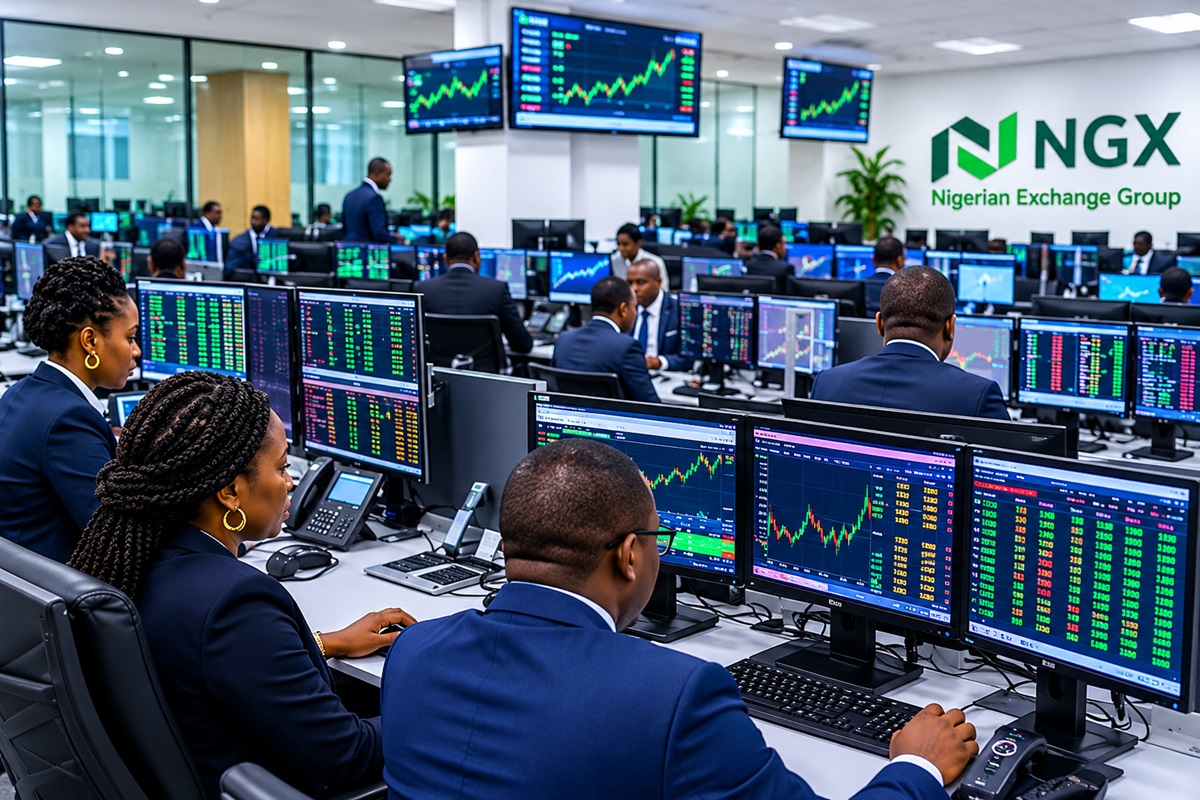
The NGX All-Share Index gained 61.43 percent in the first nine months of 2026, closing September at 251,211.67 points.
The market has also supported corporate fundraising. NGX Invest has facilitated more than 23 primary-market transactions and over ₦3 trillion in capital raising since its launch, giving issuers alternatives to bank loans and mobilising domestic savings.
But a rising index does not mean every business can access the market. Public offers and rights issues require scale, disclosure and regulatory compliance that many smaller enterprises cannot readily meet. The challenge is extending capital-market funding beyond large listed issuers to businesses that need financing to expand production and employment.
7. New Industrial Investment Plans Versus Existing Businesses’ Constraints
Lee Group has announced a proposed $1.8 billion industrial park in Ogun State, covering 450 hectares and designed to accommodate more than 29 factories, with over 2,500 direct and indirect jobs projected. Its groundbreaking is scheduled for November 12, although financing and implementation will determine how quickly the planned capacity materialises.
For existing businesses, access to credit remains difficult. The World Bank says fewer than one in 20 Nigerian MSMEs have access to bank credit, with many facing costly short-term loans and collateral requirements. Manufacturers also spent ₦1.34 trillion on alternative power in 2025, diverting resources from production and expansion.
The contrast is between new industrial ambitions and the conditions facing firms already operating in Nigeria. A durable recovery requires large investments alongside lower operating costs, reliable infrastructure, and wider access to affordable finance.

Ogochukwu Onwaeze is a writer specializing in business and economic journalism. At THEWILL News Media, she translates market trends, financial developments, and policy shifts into clear and engaging stories.
