
-
US Treasury Secretary Scott Bessent says the Strait of Hormuz could be bypassed within two years as Gulf producers accelerate alternative oil export routes.
-
Saudi Arabia already has up to 7 million barrels per day of East-West pipeline capacity, while the UAE is expanding its Fujairah route to about 3.6 million barrels per day.
-
The projects could reduce Hormuz’s strategic importance, but the scale of oil and gas passing through the strait makes complete obsolescence unlikely.
September 02, (THEWILL) — The Strait of Hormuz could lose much of its importance to global oil markets within two years as Gulf producers expand pipelines and export infrastructure designed to bypass the strategic waterway, US Treasury Secretary Scott Bessent has said.
Speaking during a discussion with Larry Kudlow at the G20 financial meetings in Asheville, North Carolina, Bessent said the strait would be bypassed within two years.
“That will be bypassed in two years,” he said, adding that the Strait of Hormuz would become “like a worthless piece of water” within that timeframe.

His prediction comes after disruptions to shipping through the waterway highlighted the vulnerability of Gulf oil producers that depend heavily on Hormuz to reach international markets.
Saudi Arabia already has an alternative route
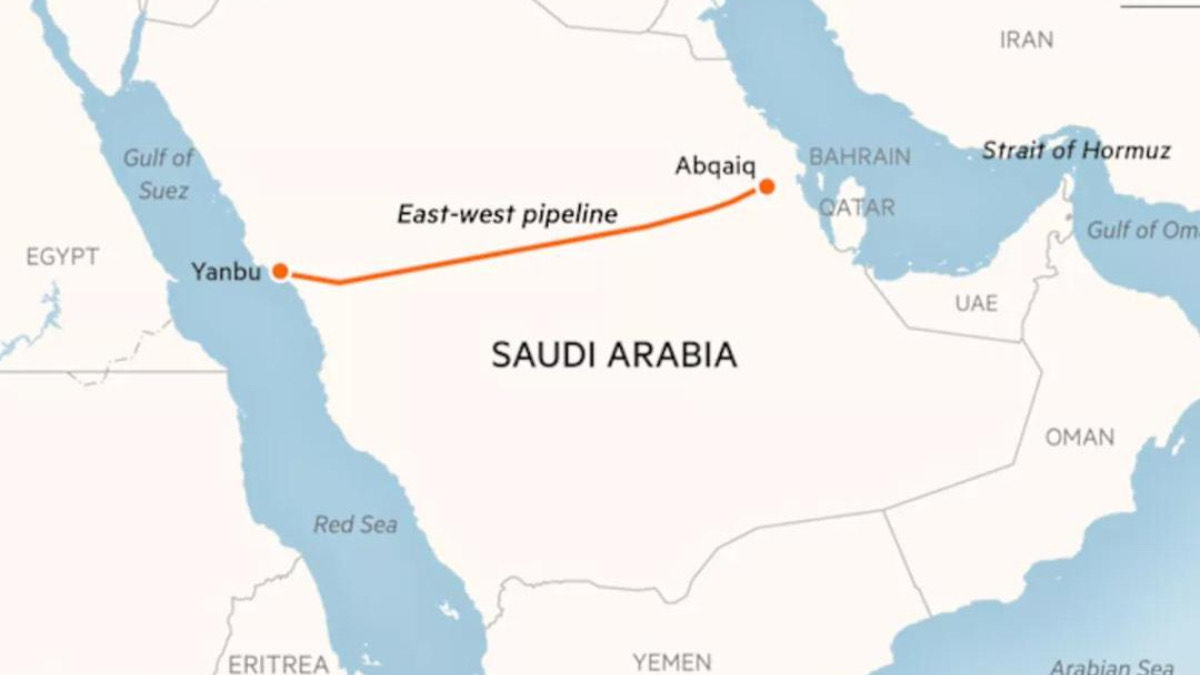
Saudi Arabia is one of the best-positioned Gulf producers to reduce its dependence on Hormuz.
Its East-West Pipeline connects oil-producing areas in the east with Yanbu on the Red Sea coast, allowing crude to reach export terminals without passing through Hormuz.
The pipeline has a capacity of up to 7 million barrels per day, although not all of that capacity is available for exports.
Riyadh is also considering expanding its bypass infrastructure by another 1 million to 2 million barrels per day, signalling that the recent disruption could accelerate investment in alternative routes.
The Red Sea route, however, carries its own risks because tanker traffic can face security threats around the Red Sea and Bab el-Mandeb.
READ ALSO:
UAE expands Fujairah capacity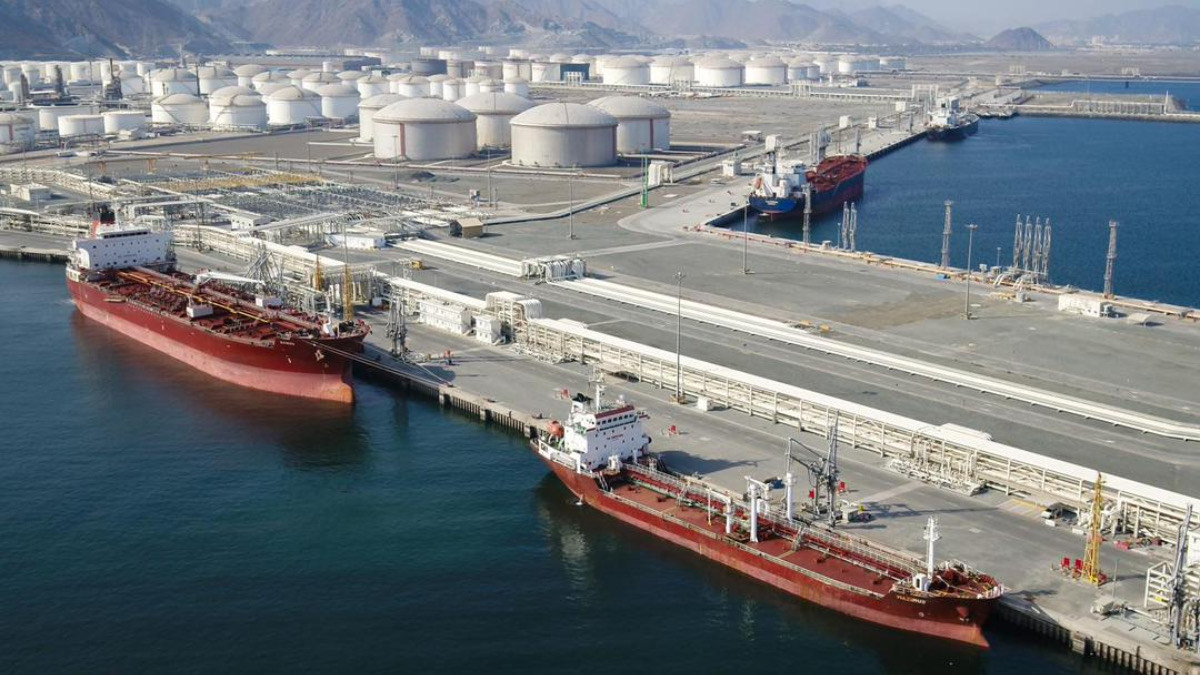
Fujairah port. Photo credit: Ship around.The United Arab Emirates is also moving aggressively to reduce its exposure to Hormuz.
ADNOC’s existing pipeline system transports crude from Abu Dhabi to Fujairah on the Gulf of Oman, allowing oil to reach tankers without crossing the strait.
The UAE plans to build another pipeline that would increase its Hormuz-bypass export capacity to about 3.6 million barrels per day. The project is expected to come online in 2027.
Fujairah’s location gives the UAE direct access to the Gulf of Oman and the wider Indian Ocean, making it one of the most important alternative export points in the region.
Hormuz is unlikely to become completely obsolete
Despite the investment, Bessent’s use of the word “worthless” may be harder to achieve.
The Strait of Hormuz handles enormous volumes of oil and gas, and existing alternative pipelines cannot immediately replace all the capacity moving through the waterway.
There are also logistical constraints involving storage, terminals, tankers and security along alternative routes.
The more realistic outcome is therefore a less strategically important Hormuz, rather than an obsolete one.
Saudi Arabia’s existing pipeline network and the UAE’s planned expansion mean more Gulf crude can potentially reach global markets without crossing the strait.
For oil markets, that could reduce the premium attached to geopolitical disruptions around Hormuz and weaken the waterway’s ability to threaten global supply.
Bessent’s two-year forecast may therefore be ambitious, but the direction is clear: Gulf producers are investing heavily to ensure that the Strait of Hormuz is no longer their only route to global oil markets.

Ogochukwu Onwaeze is a writer specializing in business and economic journalism. At THEWILL News Media, she translates market trends, financial developments, and policy shifts into clear and engaging stories.