
-
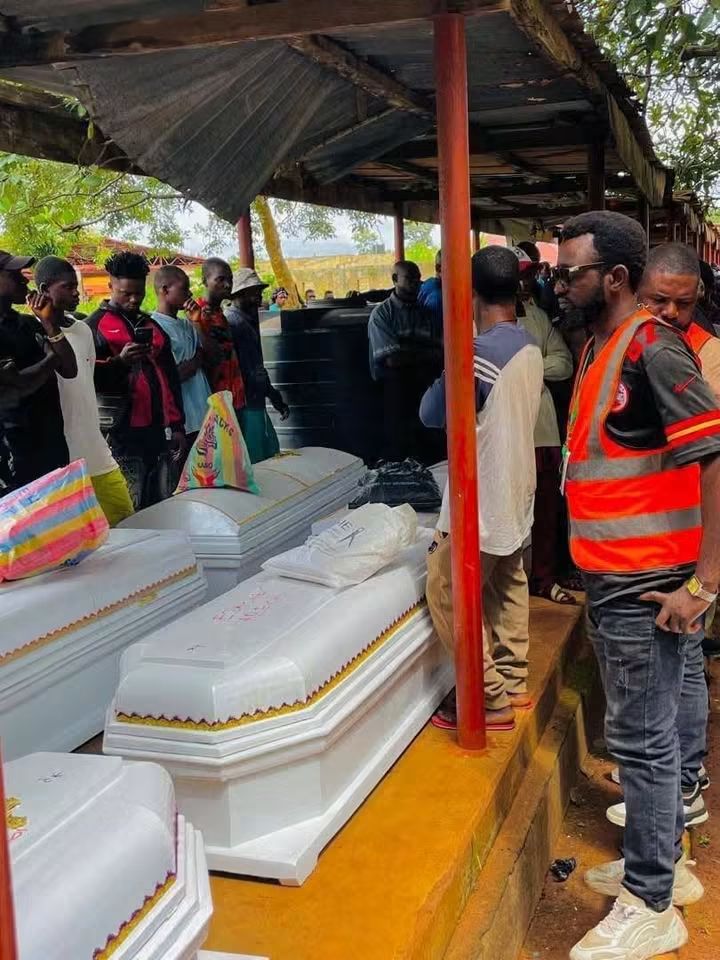
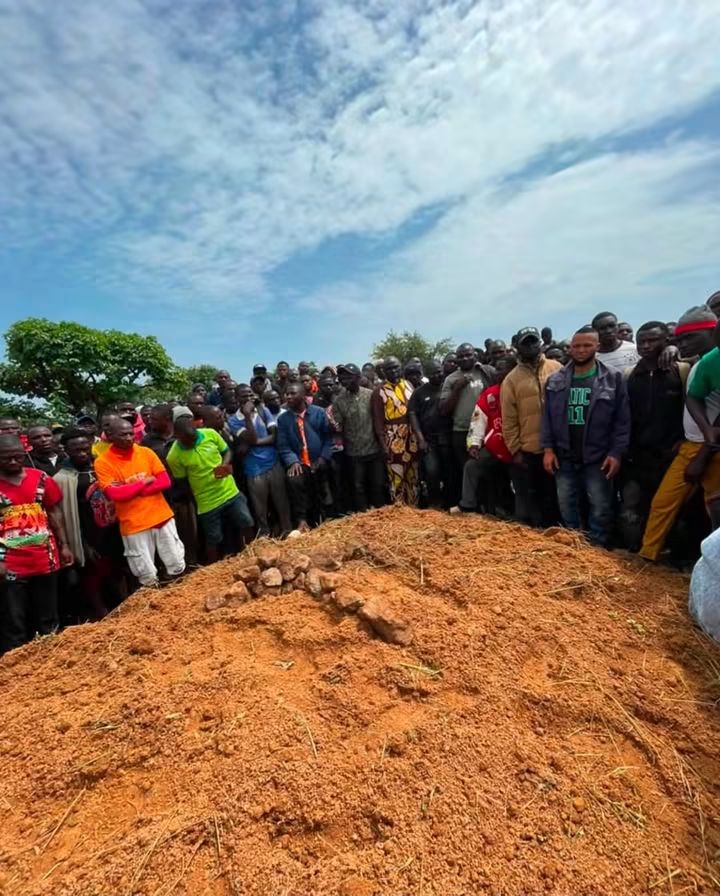
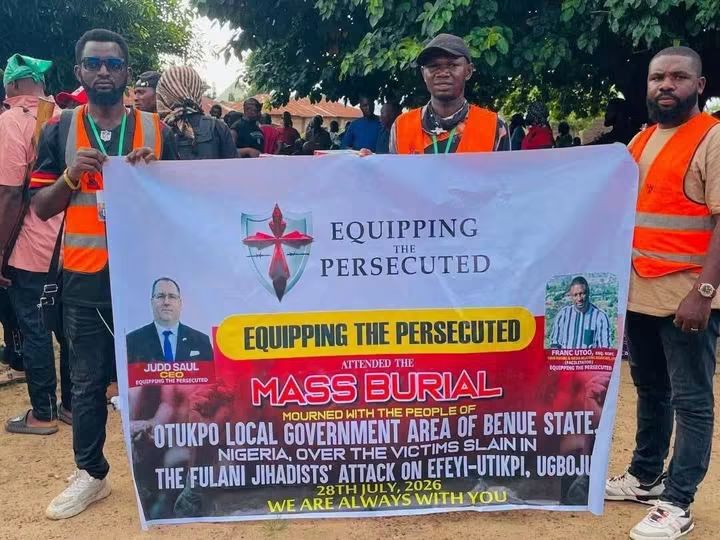
Amnesty International says at least 10,217 people were killed in attacks by gunmen across seven states during the first two years of President Bola Tinubu’s administration.
-
Benue recorded the highest death toll, followed by Plateau State, where 2,630 people were killed amid persistent attacks on communities by armed groups.
-
The rights organisation says hundreds of villages have been sacked in several states, leaving thousands displaced and struggling to survive after losing their homes, farms and sources of livelihood.
-
Amnesty warns that the worsening violence is fuelling a looming humanitarian crisis, with displaced victims in some communities forced to beg for food while farmers watch their produce rot because of insecurity.
August 25, (THEWILL) — Amnesty International has warned of a looming humanitarian crisis in Nigeria, saying more than 10,000 people were killed by gunmen across seven states during the first two years of President Bola Tinubu’s administration.
The international human rights organisation said at least 10,217 people were killed in attacks across Benue, Niger, Katsina, Kebbi, Plateau, Sokoto and Zamfara states, while hundreds of villages were sacked by armed groups.
The disclosure came as Amnesty accused the Nigerian authorities of failing to adequately protect citizens from persistent attacks, despite the administration’s promise to improve the country’s security situation.

In a statement shared on its Facebook page, the organisation said the scale of the killings, displacement and destruction of livelihoods showed that Nigeria’s security crisis was taking an increasingly dangerous humanitarian dimension.
According to Amnesty, Benue State recorded the highest death toll among the states covered by its assessment. Plateau followed with 2,630 people killed, reflecting the intensity of recurring attacks on communities in the state.
The attacks have continued to affect rural communities, particularly those whose residents depend heavily on farming and other agricultural activities for survival.
Amnesty said the violence had persisted despite President Tinubu’s pledge to enhance security when he assumed office in May 2023.
“It is now over three years since President Bola Tinubu assumed office with a promise to enhance security. Instead, things have only gotten worse,” the organisation said.
It accused the authorities of failing to protect the rights to life, physical integrity, liberty and security of tens of thousands of Nigerians.
New Armed Groups Raise Fresh Concerns
Amnesty also raised concern over the emergence of new armed groups, saying the development had further complicated Nigeria’s already difficult security landscape. It identified Lakurawa, operating in Sokoto and Kebbi states, and Mamuda in Kwara State.
The organisation said the emergence of such groups was occurring alongside the continued activities of bandits, terrorists and other armed criminals who have attacked communities across several states.
According to Amnesty, hundreds of villages have been sacked by gunmen in Benue, Borno, Katsina, Sokoto, Plateau and Zamfara states. The attacks have forced residents to abandon their homes and seek refuge in safer locations, often with limited access to food, shelter, healthcare and other basic necessities.
Displaced Victims Forced To Beg
Amnesty said the humanitarian consequences of the attacks were becoming increasingly severe, particularly for people displaced from their communities.
The organisation said many displaced people in Plateau and Katsina states had lost their means of livelihood and were struggling to meet basic needs.
“The majority of those displaced in Plateau and Katsina states told Amnesty International that they had to resort to begging to survive daily life,” it said.
The situation, according to the rights group, illustrates the devastating effect of prolonged insecurity on communities that have been repeatedly forced to flee their homes.
Many victims are left without access to their farms and businesses, making it difficult for them to rebuild their lives even after escaping the attacks.
Zamfara Farmers Watch Crops Rot
Amnesty also highlighted the economic impact of the insecurity, citing the Dangulbi district of Zamfara State. It said farmers in the area were being prevented by bandits from transporting their produce to nearby markets.
“Farmers have to watch their harvest of sweet potatoes rot because bandits have prevented them from transporting them to the nearest market,” the organisation said.
The situation has implications beyond the affected farmers, as disruption of agricultural activities and movement of food produce could further worsen food insecurity and poverty in communities already struggling with violence.
The inability of farmers to safely transport their harvest also means loss of income for households that depend on agriculture for survival.
READ ALSO:
Amnesty Demands Accountability
 Amnesty International said the Nigerian government had obligations under international human rights law to protect citizens, investigate killings and ensure that people suspected of perpetrating the attacks were held accountable. It also called for victims to have access to justice and effective remedies.
“The Nigerian authorities are failing to live up to these obligations”, the organisation stated.
The criticism comes against the backdrop of persistent insecurity across parts of northern Nigeria, where communities have suffered repeated attacks, killings, abductions and displacement.
Although the Federal Government and security agencies have continued to conduct military operations against terrorists, bandits and other criminal groups, attacks on vulnerable communities remain a major challenge.
The violence has also disrupted economic activities, weakened rural communities and forced thousands of people away from their homes and farms.
Amnesty warned that the continued attacks could push more communities into severe humanitarian conditions if urgent action is not taken. It said protecting lives must go beyond military operations to include ensuring accountability for perpetrators, providing effective remedies for victims and restoring the ability of displaced communities to rebuild their lives.

Felix Ifijeh is a journalist with years of professional reporting experience. Known for his keen news sense, compelling storytelling and commitment to accurate, impactful reporting, he has built a reputation for turning leads into clear, engaging, and well-structured reports that resonate with readers. His work reflects deep newsroom experience and a commitment to accurate, impactful journalism.