
-
Cross River State is positioning tourism as an economic sector capable of generating sustainable revenue, jobs and opportunities across hospitality, culture and the creative industries.
-
Governor Bassey Edet Otu says aviation connectivity is a priority, while regulatory processes and infrastructure development remain central to improving access to Obudu.
-
With hotels in Calabar reportedly nearing full occupancy ahead of Carnival Calabar 2026, the state is exploring additional accommodation options to meet anticipated demand.
October 20, (THEWILL) – Cross River State is seeking to turn its tourism assets into a more sustainable economic engine, with Governor Bassey Edet Otu identifying aviation connectivity, accommodation, infrastructure and wider participation in the tourism value chain as priorities for growth.
In an interview with THEWILL at the State House on Monday, Otu said the state’s natural attractions and cultural heritage could support a stronger tourism economy if backed by structures that allow businesses and residents to earn a living beyond festival periods.
The governor listed Obudu Mountain Resort, the monoliths in Ikom, traditional masquerades and other cultural assets as resources that could help position Cross River as a leading tourism destination in Africa.

But the ambition, he suggested, goes beyond attracting visitors to individual attractions or staging annual events. The state must build an ecosystem in which tourism supports employment, enterprise and long-term livelihoods.
“Every sector has a value chain”, Otu said, stressing the need to build structures that would make tourism sustainable rather than treat it merely as entertainment.
He said some modernisation efforts had already created income opportunities for people, adding that further innovation could help residents work, earn and build their futures within the sector.
The economic challenge is to ensure that increased visitor numbers translate into broader local benefits. Hotels, transport operators, tour guides, food vendors, artisans, event producers and other service providers can all benefit when tourism activity extends beyond the main attractions.
However, the scale of such gains depends on infrastructure, reliable access, accommodation and opportunities for local businesses to participate.
Otu said his administration wanted Cross River to become a destination for culture and tourism in Africa, a goal that requires the state to connect its attractions with the services visitors need.
Aviation Connectivity Remains Priority
Air access is one of the issues facing that ambition. Otu described aviation as a serious priority, citing Cross River’s strategic location along the Gulf of Guinea and the potential economic benefits of improved connectivity.
He also pointed to the Federal Government’s coastal road project under the Renewed Hope agenda, saying it could improve the state’s economic prospects and visibility.
The governor said reliable flights into and out of Calabar were important for development partners, private-sector visitors and people attending conferences and other engagements.
“We need flights into and out of Calabar”, he stated, linking air connectivity to the state’s broader development and tourism objectives.
Asked about Cally Air’s long-term plans, fleet expansion and possible connections between Calabar and Obudu using turboprop aircraft, Otu referred to the wider aviation priority and said well over seven aircraft were already flying.
He did not, however, provide a detailed breakdown of Cally Air’s fleet, confirm a fleet-expansion timetable or announce a specific increase in flight frequency. The aircraft figure should therefore not be interpreted as the confirmed size of Cally Air’s fleet.
Improved access to Obudu also remains tied to regulatory requirements. Otu said the airstrip was subject to strict conditions and that the state was following the required process to secure approvals. He added that regulatory flights were taking place while major remodelling work continued at Obudu Mountain Resort.
On the timeline for the necessary approval, the governor said the process was not entirely within the state government’s control because regulators had examinations and conditions to complete. He said his administration was working continuously to satisfy the requirements.
The comments point to the connection between transport infrastructure and tourism investment: attractions can draw interest, but visitors and operators also need dependable access. The governor did not announce a completion date for the regulatory process or a confirmed start date for a new Calabar–Obudu air service.
READ ALSO:
Accommodation Pressure Signals Demand
Accommodation is another concern as the state prepares for Carnival Calabar 2026. Otu said almost all hotels in Calabar were nearly fully booked, describing the situation as evidence of the level of interest in the coming festival.
The state, he said, was exploring other accommodation options to provide additional capacity for visitors.
The governor did not disclose how many rooms were required, identify specific new accommodation facilities or provide a target for additional capacity. Nonetheless, his remarks highlight the pressure that a major festival can place on the city’s hospitality infrastructure.
For tourism to deliver lasting economic value, the ability to accommodate visitors must grow alongside demand. Shortages can affect the visitor experience and limit how many people can stay in the destination, while new accommodation and related services can create opportunities for investors and local businesses.
Otu said the state would also look at side events and other activities to keep visitors engaged during their stay. Such activities can spread spending across more businesses and potentially encourage visitors to spend more time in the state.
On flights and other travel arrangements, he noted that many decisions rested with commercial operators, although the government could intervene to make the journey easier for visitors. He said the state would work to ensure that people were not left stranded.
The governor also pointed to hospitality as one of Cross River’s strengths, citing its experience hosting conferences and other events.
From Festivals To Sustainable Tourism Economy
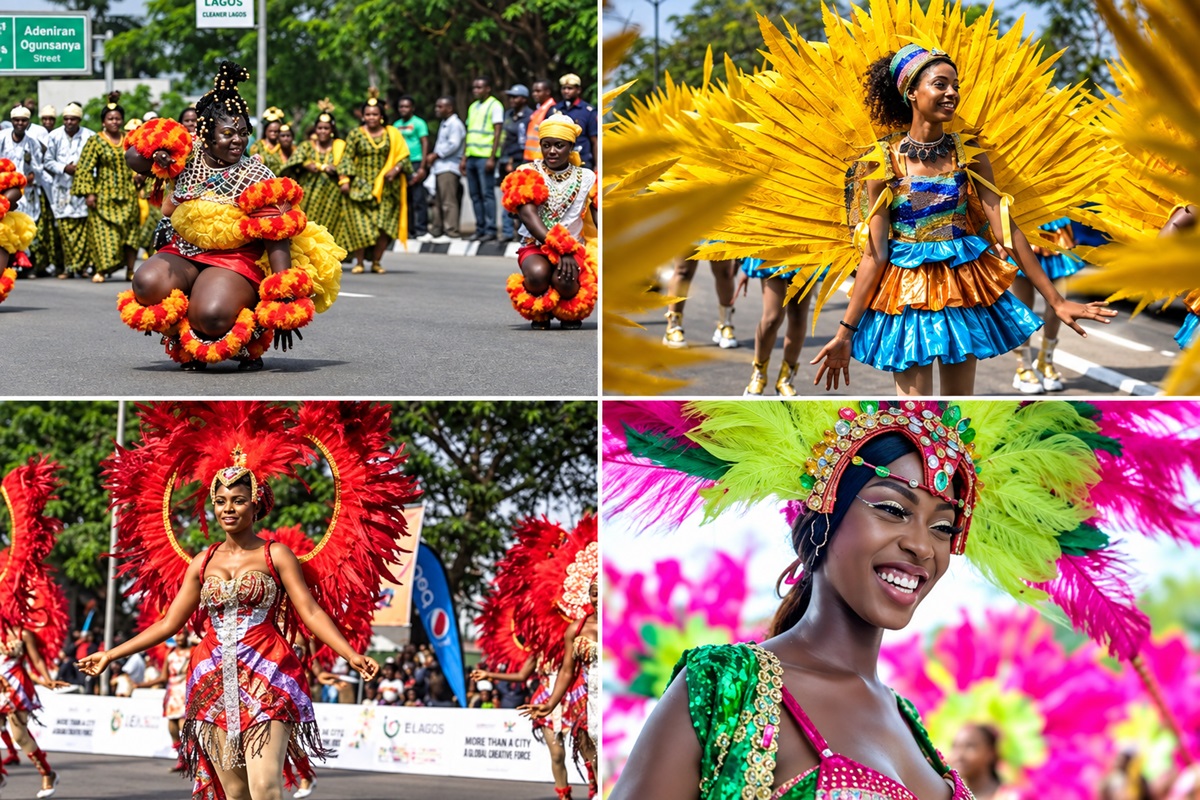
Carnival Calabar remains central to the state’s tourism profile, but Otu’s broader argument is that the festival should help strengthen an economic ecosystem rather than stand alone as an annual celebration.
He said the carnival had continued to evolve, with new elements and activities introduced over the years. This year’s programme is expected to include prominent artistes, including Davido, alongside side events.
Otu said preparations were intended to improve the visitor experience, while acknowledging that the event had become expensive to organise. He did not announce ticket rebates or a government subsidy for travel costs.
The state’s wider task is to connect the attraction of Carnival Calabar with the practical foundations of tourism: transport, accommodation, cultural products, business services and infrastructure.
Cross River has identifiable natural and cultural assets, and the governor has set out an ambition to build on them. Whether that ambition produces sustained revenue and employment will depend on how effectively the state converts visitor interest into opportunities that residents and businesses can access throughout the year.

Janefrances Ebere Chibuzor is a Tourism Writer at THEWILL
