
-
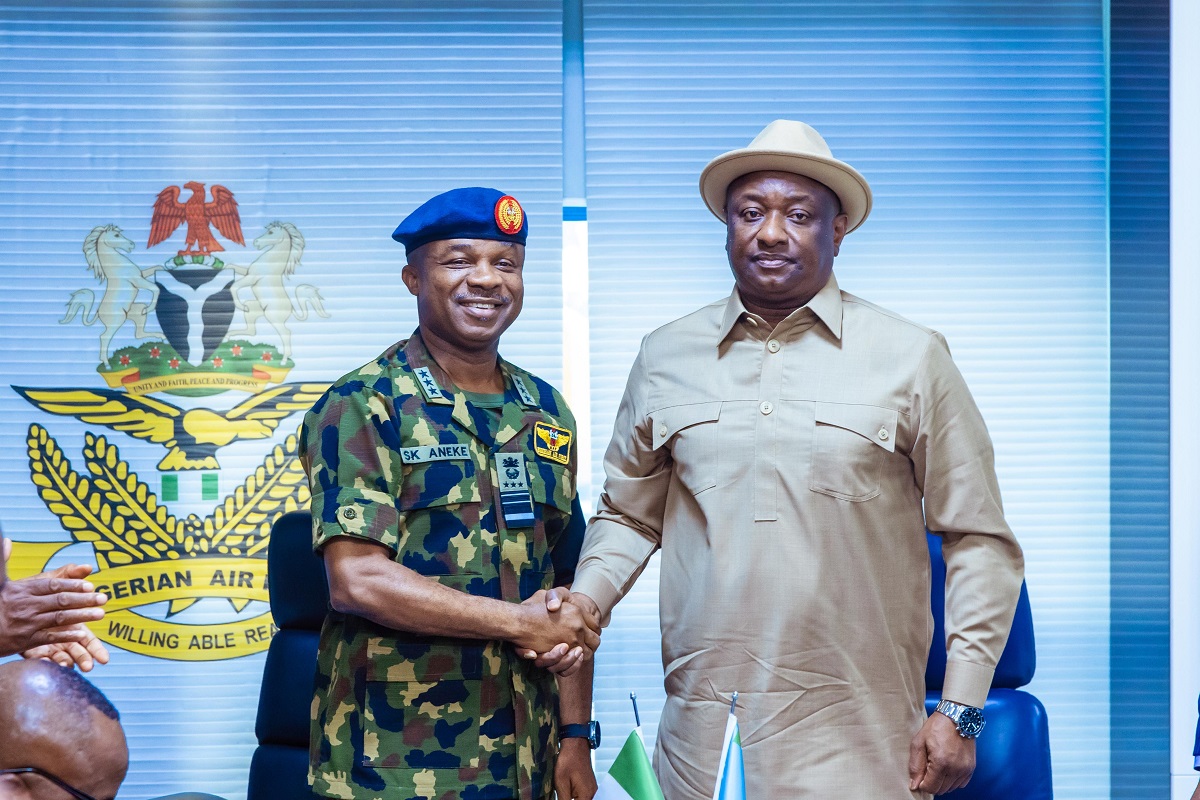
Aviation Minister Festus Keyamo and Chief of Air Staff Air Marshal Sunday Aneke have agreed to deepen cooperation between civil and military aviation authorities following the tragic Nigerian Air Force aircraft incident at Igbokoda.
-
The planned partnership will cover airworthiness, certification, aviation safety, professional training, capacity building and technical information sharing between the NCAA and the Nigerian Air Force.
-
Keyamo said both sectors serve the same country and must share expertise because aviation disasters can affect both military personnel and civilians.
-
Aneke welcomed the initiative, saying closer collaboration between the two institutions would help raise safety standards across Nigeria’s civil and military aviation sectors.
October 8, (THEWILL) – The Federal Government has moved to strengthen cooperation between Nigeria’s civil and military aviation authorities following the tragic Nigerian Air Force aircraft incident at Igbokoda, Ondo State.
Minister of Aviation and Aerospace Development, Festus Keyamo, SAN, and the Chief of Air Staff, Air Marshal Sunday Kelvin Aneke, reached an agreement on Wednesday when the minister paid a condolence visit to the Chief of Air Staff over the incident.
The meeting is expected to narrow the long-standing operational gap between civil and military aviation authorities, particularly in critical areas of safety, airworthiness, certification, training and technical capacity.

After signing the condolence register, Keyamo held a private meeting with Aneke before the two officials addressed journalists and announced plans for a more structured partnership between the Nigerian Civil Aviation Authority (NCAA) and the Nigerian Air Force (NAF).
Keyamo described the Igbokoda incident as a national tragedy and commended the sacrifices and gallantry of officers and personnel of the Nigerian Air Force.
“We value the Air Force. We value the efforts of the gallant men and women of the Air Force and what they do for the country,” he said.
The minister said the incident had underscored the need to remove unnecessary barriers between civil and military aviation, stressing that accidents within the aviation sector do not discriminate between military and civilian operators.
According to him, both sectors ultimately serve the same country and protect the same citizens, making closer cooperation on safety matters imperative.
“It is one country, one people. When disaster happens, it affects everybody. There were civilians in that air crash and when there’s an air crash in civil aviation too, there can be military personnel. And so, it is important that we cooperate in the area of safety,” Keyamo said.
He noted that the Nigerian Air Force already depends on some civil aviation infrastructure, particularly air traffic control services, and argued that the existing relationship should be expanded into a formal and more comprehensive partnership.
Keyamo disclosed that he had contacted the Director-General of the NCAA and facilitated direct communication between the aviation regulator and the Chief of Air Staff as part of efforts to establish the new framework.
“We have decided that we will cooperate in terms of capacity building,” he said.
Joint Safety Framework
The minister announced plans to establish a joint committee involving the NCAA and the Nigerian Air Force to coordinate cooperation in airworthiness, certification, training and other aviation safety-related matters.
He stressed that the arrangement would respect the statutory responsibilities of both institutions while allowing them to share expertise and technical resources.
Keyamo also offered Nigerian Air Force personnel access to relevant training programmes organised by civil aviation authorities.
“There is no reason why we cannot take some names from the Air Force. We have a lot of training we go for, so there is no reason why we cannot,” he said.
READ ALSO:
The minister further acknowledged the specialised expertise within the Air Force, saying the military could also contribute knowledge and experience that would strengthen the civil aviation sector.
“This is a kind of cross-pollination and symbiotic relationship we have decided to build for the safety of the lives of Nigerians,” Keyamo said.
Air Force Backs Collaboration
Responding, Aneke thanked the minister for the condolence visit and his support for the Nigerian Air Force, describing the gesture as evidence of the growing relationship between civil and military aviation authorities.
He disclosed that discussions had already begun on a framework that would enable professionals from the civil aviation sector to contribute to the Air Force’s safety environment, particularly in airworthiness and certification.
At the same time, Air Force personnel would be expected to contribute their specialised expertise to the civil aviation sector where necessary.
“We have both agreed that we need to move the aviation industry, whether military or civil, to a higher level,” Aneke said.
Aneke welcomed the offer of training opportunities for Air Force personnel, saying enhanced professional capacity would contribute to improved aviation safety.
He emphasised that both institutions have a common responsibility to protect Nigerian lives.
“We are serving the same government; we are protecting the same Nigerians. So we are just a blend of each other,” he said.
Background
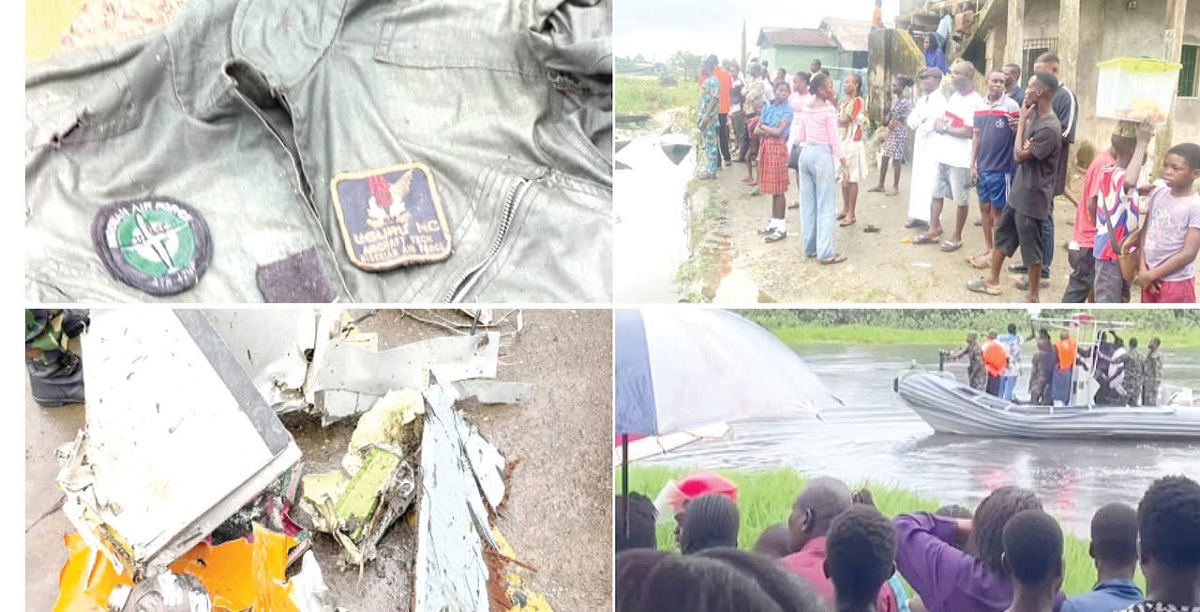
The Igbokoda incident has brought renewed attention to aviation safety and the need for stronger coordination among agencies responsible for operating, regulating and supporting aircraft in Nigeria.
Civil and military aviation operate under different statutory and operational frameworks, with the Nigerian Air Force responsible for military aviation and the NCAA regulating civil aviation activities.
However, both sectors depend on technical disciplines such as aircraft maintenance, airworthiness, certification, aviation training, air traffic management and safety management.
The agreement announced by Keyamo and Aneke therefore seeks to create a more systematic channel for exchanging expertise and building capacity across the two sectors.
The proposed collaboration is expected to improve information sharing, technical cooperation, professional training and safety practices while maintaining the separate mandates of the NCAA and the Nigerian Air Force.

Felix Ifijeh is a journalist with years of professional reporting experience. Known for his keen news sense, compelling storytelling and commitment to accurate, impactful reporting, he has built a reputation for turning leads into clear, engaging, and well-structured reports that resonate with readers. His work reflects deep newsroom experience and a commitment to accurate, impactful journalism.