
-
Brent crude fell below $92 on Thursday as rising supply and diplomatic expectations pressured prices.
-
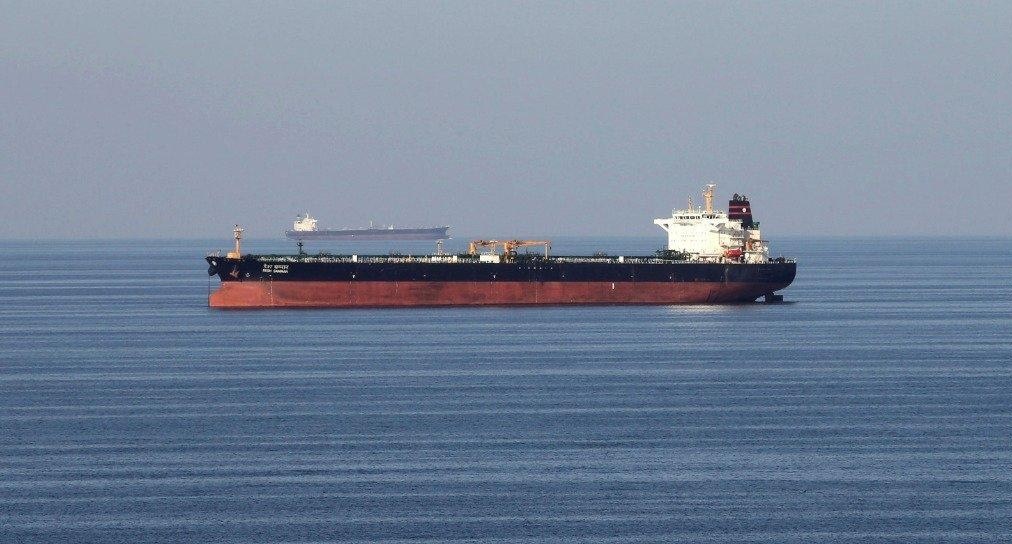
Attacks on commercial vessels continue to threaten shipping through the Strait of Hormuz.
-
Nigeria’s October oil production remained below the volume assumed in its 2026 budget.
-
Lower crude prices do not guarantee cheaper petrol or improved finances for Nigerian households.
November 12, (THEWILL) – Oil traders are becoming more confident that the world can withstand disruptions to Middle Eastern supplies, even as the dangers facing ships transporting those supplies remain far from resolved.
Brent crude fell $1.47, or 1.58%, to $91.29 a barrel by 4:26 a.m. GMT on Thursday, November 12, while US West Texas Intermediate declined to $85.29. Both benchmarks came under pressure from expectations of diplomatic progress involving Iran and Ukraine, higher production among OPEC+ countries and indications of growing American crude inventories.
The decline followed Wednesday’s recovery, when Brent closed at $92.76 after rising 1.39%. Prices had previously reached their lowest levels in approximately two months, reflecting how quickly traders have reassessed the possibility of further supply disruptions.
Hiroyuki Kikukawa, chief strategist at Nissan Securities Investment, attributed the selling pressure partly to expectations of diplomatic progress.
“Markets are falling on expectations that behind-the-scenes efforts are underway to secure a ceasefire between Russia and Ukraine,” he told Reuters, adding that traders considered an escalation of the Iran conflict unlikely ahead of the planned US-China summit.
Those expectations remain uncertain. Fighting and shipping attacks have continued, while the negotiations being discussed have not produced a settlement capable of guaranteeing safe maritime passage.

The apparent contradiction between falling prices and continuing danger becomes easier to understand when the actual movement of oil is considered.
Energy markets respond not only to how much crude producers can extract, but also to how much reaches buyers, what it costs to transport and how much supply traders expect to become available.
For Nigeria, where crude exports remain important to foreign exchange earnings and government finances, the consequences extend beyond a daily movement in Brent.
The country must consider how prices interact with actual production volumes, refinery demand, shipping expenses and the cost of supplying petroleum products to households and businesses.
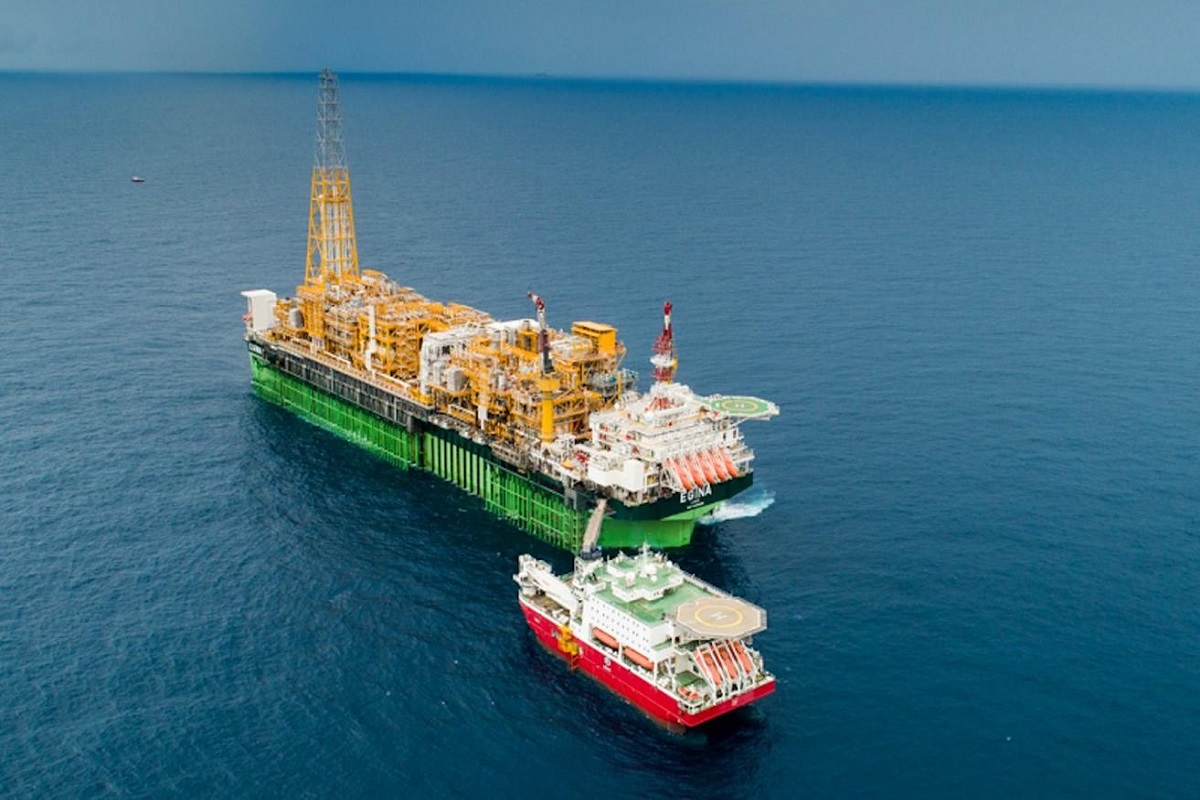
More Oil Is Reaching the Market Despite the Fighting
OPEC+ production has recovered considerably from the disruptions that followed the escalation of the Middle East conflict earlier this year.
Figures reported by Reuters on November 11 showed that the group’s October crude production rose by approximately 2.04 million barrels per day to 41.23 million barrels daily, approaching the level recorded before the conflict intensified in February.
Saudi Arabia accounted for much of the increase, with production rising from 8.37 million barrels per day in September to approximately 10.56 million in October.
That recovery has changed the supply calculations facing oil traders.
Higher output gives buyers more potential sources of crude, while improvements in export arrangements can help producers deliver oil even when conventional shipping routes remain difficult.
Saudi Arabia’s East-West Pipeline has supported shipments through the Red Sea, while ship-to-ship transfers near Oman have helped maintain some Middle Eastern exports.
The US Energy Information Administration’s November 10 outlook provides useful context. It estimated that Middle Eastern crude production shut-ins averaged 2.5 million barrels per day in October, compared with 10.9 million barrels daily at their peak in May.
The reduction represents a substantial recovery in producing capacity, although supply has not returned entirely to normal.
Meanwhile, preliminary industry estimates suggested that US crude inventories increased by approximately nine million barrels during the latest reporting week. Official government inventory figures were still awaited when Thursday’s early price movement was reported.
More barrels entering storage or reaching commercial markets can reduce pressure on prices, particularly when traders anticipate weaker demand or fewer disruptions.
However, greater production does not guarantee that every barrel can reach its intended destination.
The International Maritime Organization reported on November 6 that it had verified at least 130 attacks against commercial vessels in the Persian Gulf, Strait of Hormuz and surrounding waters since the Middle East conflict began on February 28.
At least 25 seafarers had died, with thousands more exposed to danger, including crews aboard vessels unable to leave the Persian Gulf.
Those figures establish that shipping risks remain serious even while traders become more optimistic about future oil supplies.
The cost of those risks can survive a decline in crude prices. Shipowners must consider insurance, security arrangements, available vessels, longer routes and the possibility that a voyage could be interrupted.
The EIA reported that attacks on tankers and constrained shipping capacity helped push average Brent spot prices to $124 a barrel in October. Its November outlook subsequently projected prices around $100 for the final two months of 2026, assuming Middle Eastern supplies remained partially constrained.
Thursday’s Brent futures price fell below that forecast, but the figures measure different things. The EIA’s projection concerns average spot prices over a period, while the market quotation reflects a particular futures contract at a particular moment.
Neither establishes that the risks associated with moving crude through the region have disappeared.
Nigeria’s Production Figures Complicate the Windfall
Nigeria benefits from stronger crude prices through export earnings and petroleum-related government revenue, but the size of that benefit depends heavily on how much oil the country actually produces and sells.
President Bola Tinubu’s 2026 budget proposal assumed crude oil prices of $64.85 a barrel, production of 1.84 million barrels per day and an average exchange rate of ₦1,400 to the dollar.
At Thursday morning’s Brent price of $91.29, the international benchmark remained $26.44 above the budget’s assumed oil price.
That difference does not mean the government earns an additional $26.44 on every barrel produced. Nigerian crude grades have their own prices, and actual public revenue depends on production, sales volumes, fiscal arrangements, costs, exchange rates and other factors.
The production side presents a particular challenge.
READ ALSO:
Figures released by the Nigerian Upstream Petroleum Regulatory Commission on November 11 showed that Nigeria produced an average of approximately 1.69 million barrels of crude oil and condensate per day in October, compared with 1.72 million barrels in September.
Strict crude production, excluding condensate, averaged 1.51 million barrels daily, sufficient to meet Nigeria’s 1.5 million-barrel OPEC quota for the sixth consecutive month.
Meeting that quota is an operational achievement, but it should not be confused with meeting the government’s budget production assumption.
October’s combined crude and condensate output was roughly 152,000 barrels per day below the 1.84 million-barrel budget figure, although comparisons between budget targets and reported production must account for the categories of petroleum included.
The difference matters because higher prices cannot fully compensate for production that never takes place.
Nigeria’s fiscal exposure also extends beyond headline oil revenue. Production costs, company obligations, the allocation of crude to domestic refiners and the distribution of petroleum earnings all influence how much money eventually becomes available to the government.
The International Monetary Fund’s 2026 assessment estimated that a $10-per-barrel movement in oil prices, holding other factors constant, could change Nigeria’s overall fiscal balance by approximately 0.4% of gross domestic product and its current account balance by about 1% of GDP.
These are sensitivity estimates rather than forecasts of the effect of Thursday’s trading session. Their importance lies in demonstrating that international price changes influence both public finances and Nigeria’s transactions with the rest of the world.
The benefit of strong oil prices is consequently greater when the country can maintain production, export efficiently and convert petroleum earnings into usable public revenue.

Cheaper Crude Does Not Automatically Mean Cheaper Petrol
For Nigerian households, the most immediate interest in falling oil prices is often the possibility of lower petrol, diesel and transportation costs.
That expectation is understandable, but crude prices represent only one component of the final cost of fuel.
Refineries purchase crude, process it into petroleum products and sell those products into markets influenced by supply, demand, operating expenses and available alternatives.
Distribution adds further costs through storage, transportation, financing and retail operations. Currency movements also affect the naira cost of crude and imported petroleum products.
A sustained decline in international crude prices can reduce a refinery’s feedstock costs, but changes in retail fuel prices depend on when cheaper crude is purchased and processed, how existing inventories are priced and how competition develops among suppliers.
Nigeria’s Dangote refinery adds another dimension.
Domestic refining can reduce dependence on imported finished petroleum products, but it does not remove the economic value of crude oil or eliminate the effect of international markets on production costs.
Crude supplied to a Nigerian refinery still has a commercial value, while refined products compete with supply alternatives influenced by global prices and the exchange rate.
Lower Brent prices could therefore reduce some input costs without producing an immediate or proportionate decline at filling stations.
The effect on households also depends on the prices of other energy products. Diesel is important to businesses operating generators, freight companies moving goods and manufacturers facing significant energy expenses.
Transport fares and consumer prices may respond more slowly than wholesale fuel prices because operators also account for wages, maintenance, financing and other costs.
For the broader economy, lower crude prices can therefore create different outcomes at the same time.
Exporters may receive less revenue per barrel, refiners may face changing input costs, fuel marketers may reassess inventories and households may eventually benefit if lower costs are passed through.
The size and timing of those changes cannot be established from a single day’s Brent quotation.
The latest market decline is nonetheless worth watching because it reflects more than expectations of peace. Oil producers have restored meaningful volumes of supply, traders are assessing inventory growth and commercial shipping continues to operate despite persistent security threats.
Nigeria’s response will be shaped by conditions at home as much as events abroad. Stronger production would improve the country’s ability to benefit from favourable prices, while efficient refining and distribution would influence how much relief consumers receive when crude becomes cheaper.
For now, Brent’s decline signals that traders see less immediate pressure on global oil supplies. It does not establish that Middle Eastern shipping has become safe, that Nigeria’s revenue position has improved or that motorists should expect an immediate reduction in pump prices.
Those outcomes depend on different parts of the energy system, and each must be judged on its own evidence.

Joy Onuorah is a business journalist and brand communications specialist covering financial markets, artificial intelligence, digital economy, and the ideas reshaping business across Africa and the global market. Beyond her reporting for TheWill, Joy uses brand strategy, storytelling, copywriting, and high-value SEO to help brands build lasting market authority.